











Arabic version: مجلس النواب في تسمانيا يقر حظر ممارسات التحويل
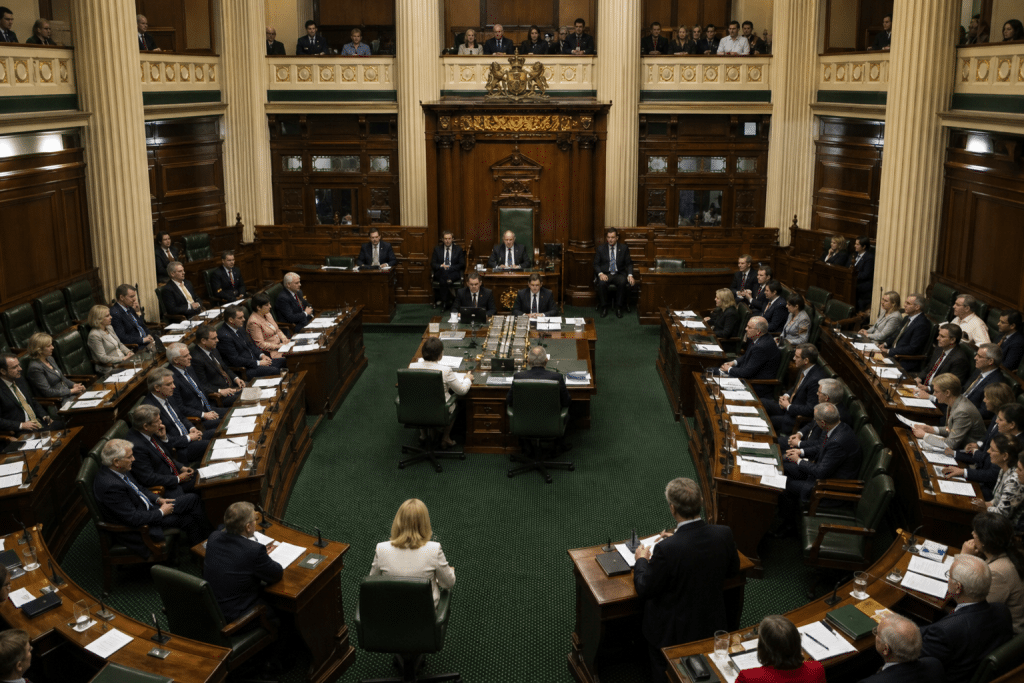
According to ABC News, a Greens bill banning conversion practices has passed Tasmania’s House of Assembly, with advocates describing the result as a landmark day for survivors and the LGBTIQA+ community. The measure passed on the voices, without a formal vote, supported by Labor, four of seven independents and Liberal MPs Jeremy Rockliff, Bridget Archer and Roger Jaensch.
The legislation defines conversion practices as attempts to change, suppress or eradicate a person’s sexual orientation or gender identity. It follows a Tasmanian Law Reform Institute recommendation four years earlier that the practices be outlawed. Research by La Trobe University found one in 20 young queer Tasmanians had experienced conversion practices and linked them to a higher suicide risk.
Equality Tasmania campaigner Rodney Croome said he was overjoyed for survivor-advocates and called the legislation “important and overdue”. Survivor Bron Larkins said she was “elated” and had campaigned for a ban for 10 years. Greens leader Rosalie Woodruff said the outcome followed years of campaigning by the LGBTIQA+ community, including victim-survivors, advocates and families.
Premier Jeremy Rockliff, who allowed Liberal MPs a conscience vote, said Tasmania had taken a significant step forward in his personal view. MPs debated the bill for almost 20 hours. Opponents, including Treasurer Eric Abetz and Deputy Premier Guy Barnett, called it “overreach”. The bill excludes several activities from its definition, including appropriate health services, online debate, religious prayer and some parental discussions with children.
An amendment removed a clause that would have made employers legally liable for employee offences in certain circumstances. Independent Bass MP George Razay’s proposal to delay the vote for a parliamentary committee inquiry was defeated. The bill now moves to Tasmania’s upper house. If passed, Western Australia and the Northern Territory would be the only Australian jurisdictions where conversion practices remain legal.