












Arabic version: دعوات لتسمانيا لوضع قواعد مُلزِمة لمراكز البيانات
According to ABC News, experts have urged Tasmania to establish binding conditions for AI data centre developments before projects are approved, warning that promised economic benefits may not otherwise last beyond construction.
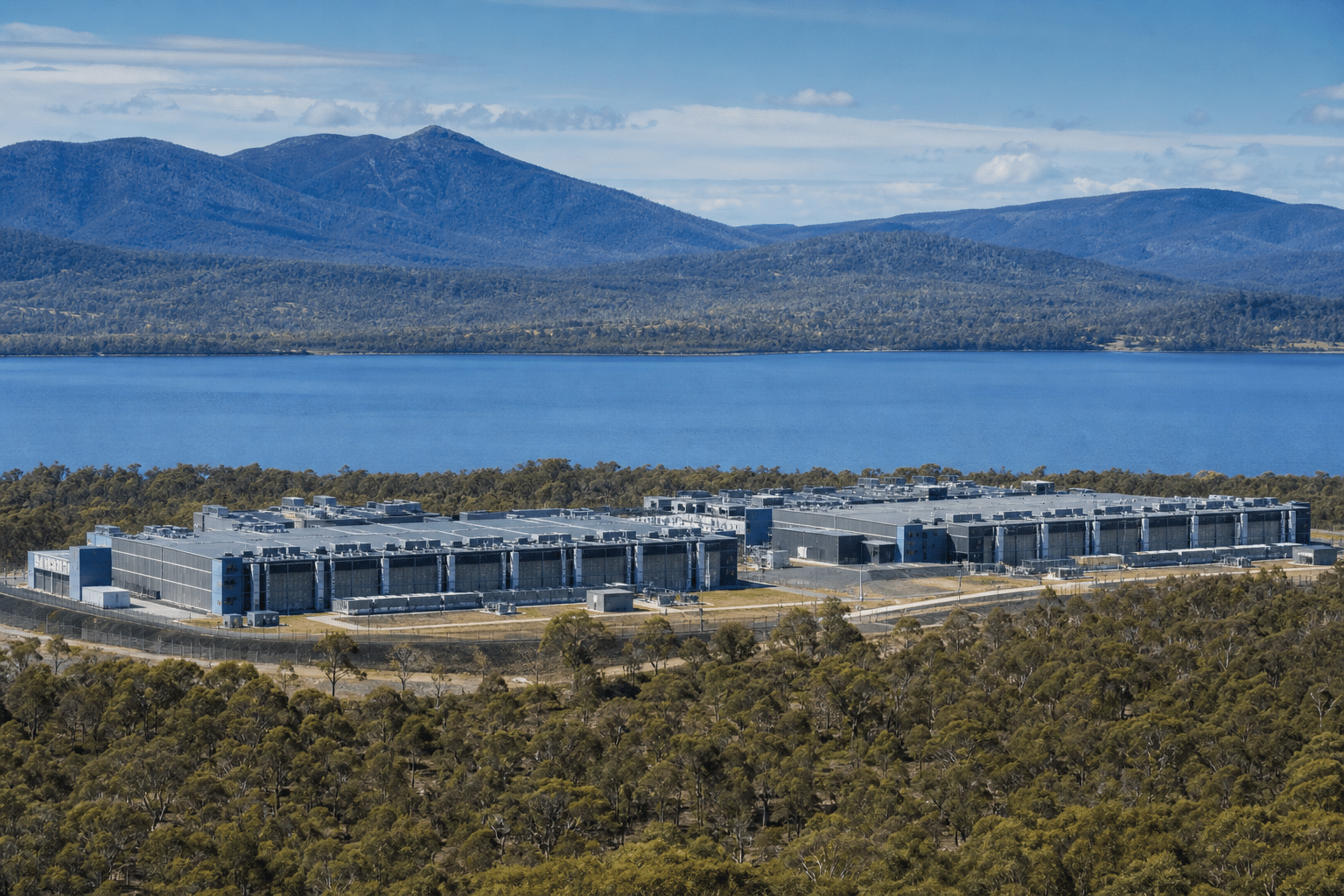
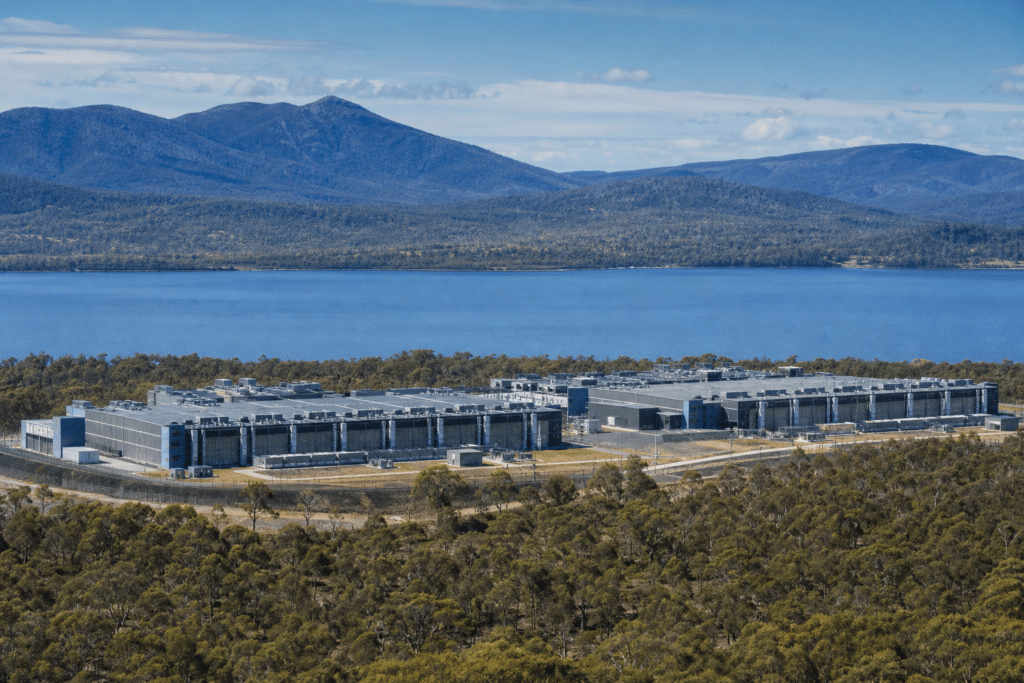
The Tasmanian government’s inquiry into AI data centres has received 152 submissions. Firmus Technologies is building a facility in Launceston, has approval for another at Long Reach in the state’s north, and is seeking approval for a project at Wesley Vale in the north-west. Parliament has also been told that six further projects are being explored by unnamed proponents.
In a submission, University of New South Wales AI Institute director Sue Keay said data centres alone did not create a local AI industry or guarantee enduring community benefits. She recommended a levy on large projects to support AI research, talent and capability, alongside a defined public-interest allocation of computing capacity for researchers, universities, start-ups, small and medium enterprises, and not-for-profits.
The Tasmanian Policy Exchange said data centres could help absorb electricity demand and contribute to grid costs if they paid a full commercial price for power. But it cautioned that a reliance on a small number of customers from one industry could create concentration risk. The researchers said proponents should fund transmission upgrades needed for large new loads and warned Tasmania could be left with under-used infrastructure if projects were delayed, reduced or cancelled.
The Digital Infrastructure Institute called for annual parliamentary oversight through a register listing approved facilities, their resource commitments, energy and water allocations, reported consumption and compliance status. Firmus said it supported consistent, transparent reporting covering energy and water use, efficiency, environmental performance, renewable-energy and grid commitments, employment, local procurement and community benefits.