












Arabic version: أزهار الكرز في تسمانيا تعود جذورها إلى الحنطة السوداء
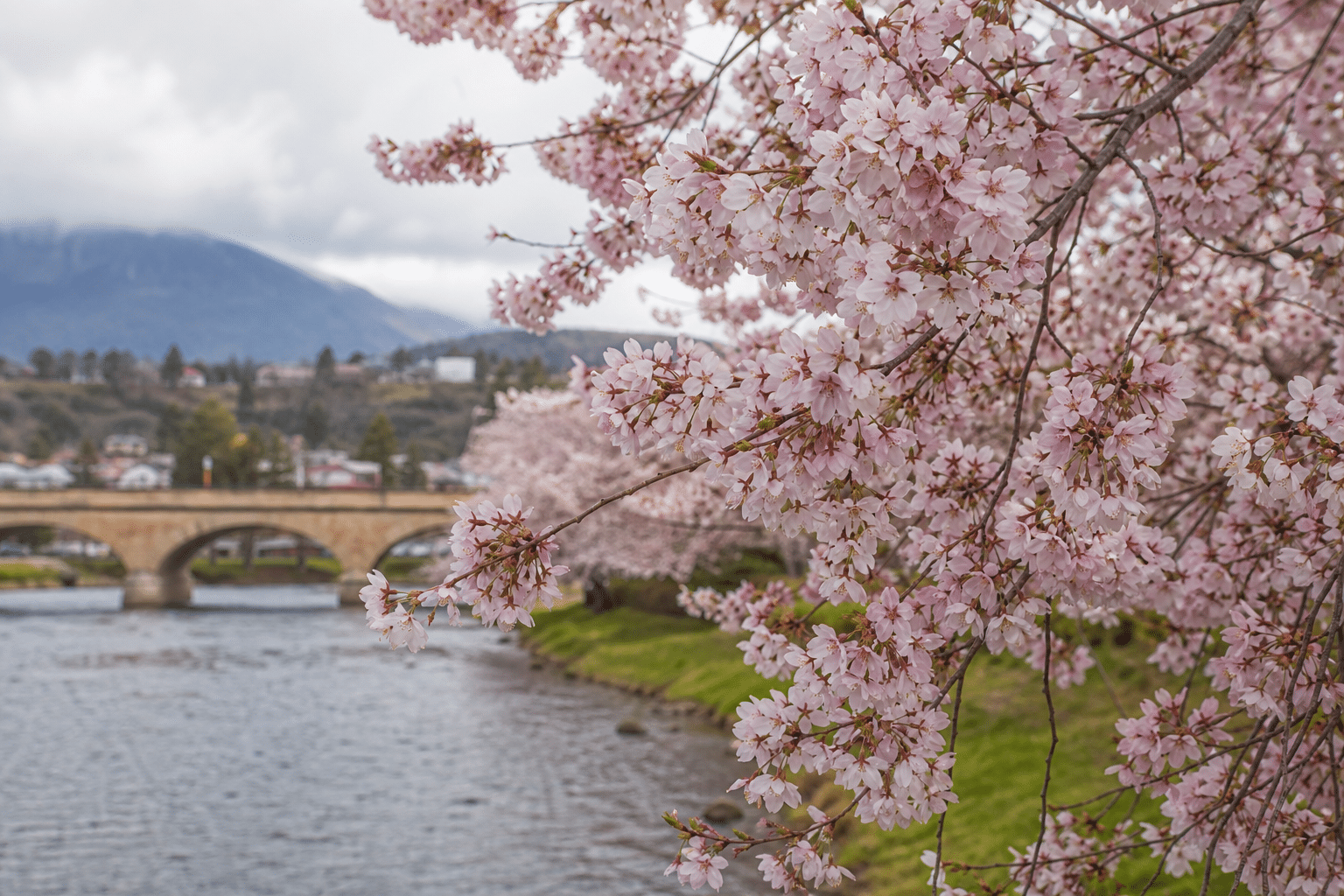
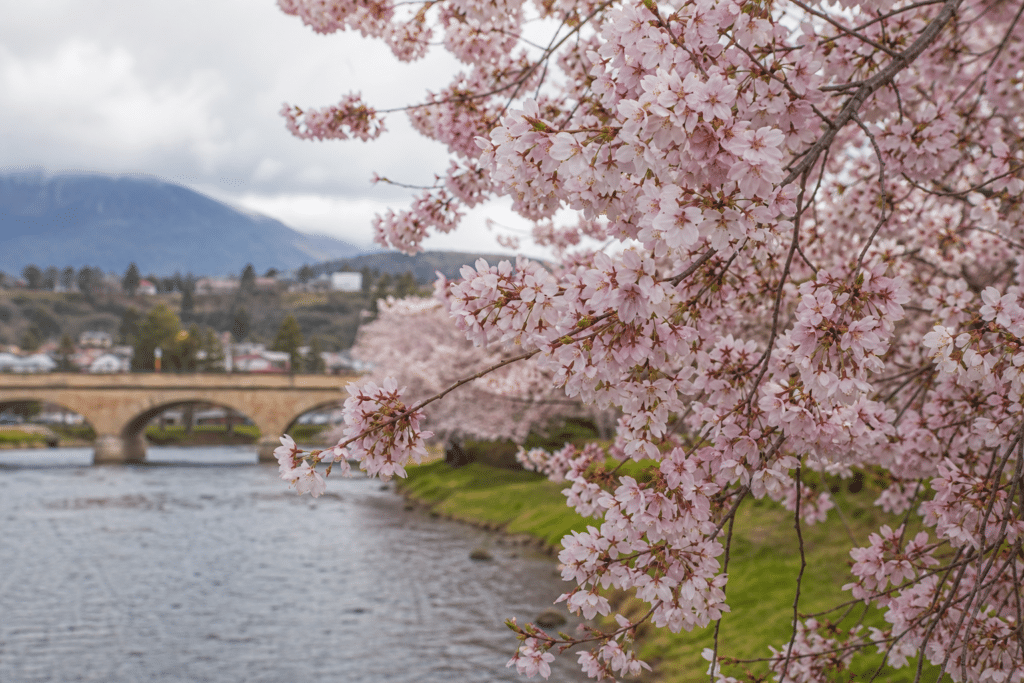
According to ABC News, 300 cherry blossom trees lining the Meander River at Deloraine were donated by Japanese flour mill owner Rick Shiratori about 30 years ago, following Tasmania’s move into buckwheat production for Japan’s soba noodle market.
The trees are now a centrepiece of northern Tasmania’s annual Hanami Trail, a festival celebrating Japanese culture. In its fifth year, the event drew an estimated 200 people on Sunday for activities including aikido, taiko drumming, shakuhachi bamboo-flute performances, Japanese calligraphy and art.
The connection began in 1986, when buckwheat-growing trials started in Tasmania. Shiratori, who had spent time in Australia on exchange when young, developed the concept because Tasmania’s reversed seasons could provide Japan with a second supply of fresh buckwheat for shin soba, or new-season noodles.
Steven Phipps, president of the Australia-Japan Society of Tasmania, said shin soba is particularly valued in Japan as the first noodles from the annual harvest. He said Tasmania’s Japanese community, estimated at about 800 people, comes together when the blossoms appear, which happens once a year for about 10 days.
At Whitemore, grower Brenton Heazlewood has helped cultivate, store and export buckwheat for three decades. The gluten-free triangular seed is processed to remove its dark husk before shipments go to Japan, Singapore, Sydney and Melbourne. He said Tasmanian buckwheat is the most expensive buckwheat imported into Japan, though demand fell when COVID reduced restaurant visits and has not recovered substantially.
For Westbury resident Kuniko Ishihara, who was born in Shizuoka and moved to Australia in 2000, the flowering trees offer an annual link to heritage. Her son, Cy Eberle, said the gathering brings a nostalgic feeling and a rare chance to see Japanese people outside Japan.