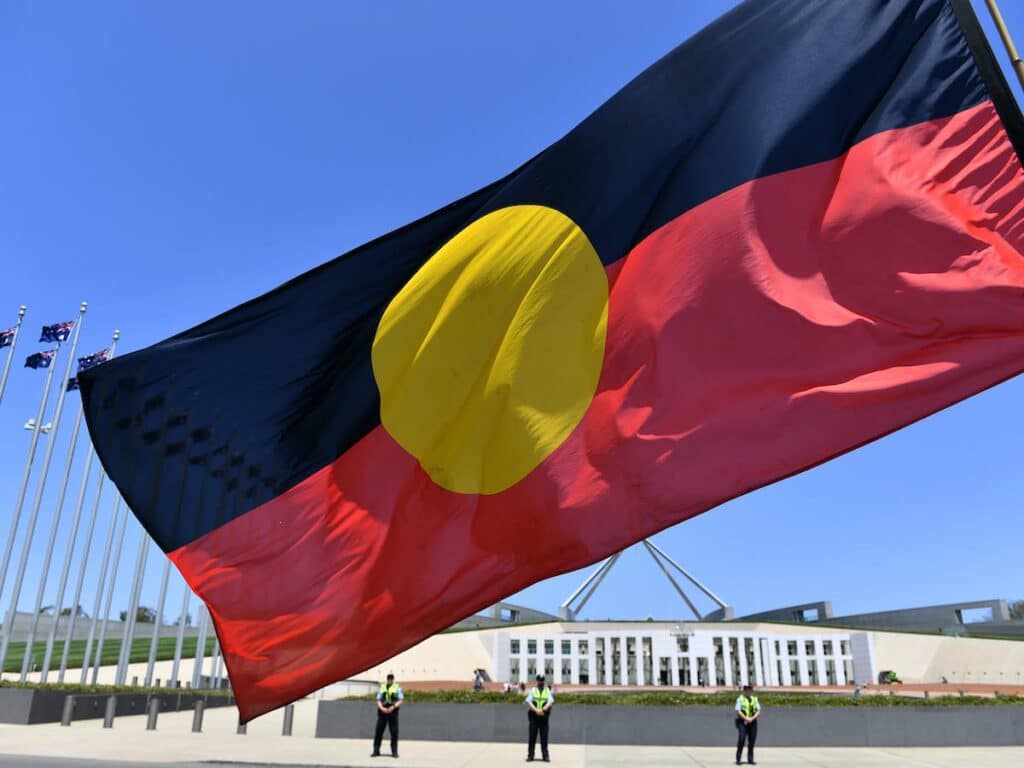












In the democratic process, a referendum is a method of direct voting where an entire electorate is invited to vote on a particular proposal. It can lead to changes in the constitution or law and is often used when the issue at hand is of significant public importance. The Voice Referendum in Australia is one such significant event.
The ‘Voice’ in question refers to the proposed Aboriginal and Torres Strait Islander Voice. As advised by the First Nations Referendum Working Group, it’s intended to provide a formal mechanism for Indigenous Australians to influence legislation and policies that directly affect them. The creation of the Voice represents a significant step towards Aboriginal and Torres Strait Islander self-determination and inclusive participation in the democratic process.
Implications for Aboriginal Australians
The establishment of the Voice signifies a milestone in the recognition and inclusion of Aboriginal and Torres Strait Islander peoples in the nation’s decision-making processes. It seeks to offer a platform for these communities to exert influence over laws and policies that affect them directly.
However, the establishment of the Voice isn’t without potential challenges. Its advisory nature, without veto power, may limit its effectiveness in enforcing change. Also, the operation of the Voice could be resource-intensive, requiring substantial financial investment. Moreover, ensuring equitable representation among diverse Indigenous communities raises the risk of underrepresentation.
Implications for Non-Aboriginal Australians
For non-Aboriginal Australians, the Voice’s establishment could foster a deeper appreciation for the rich cultures, histories, and perspectives of Indigenous Australians. It signals a move towards a more inclusive democracy. However, this new layer in the political system might introduce greater complexity and potentially slower decision-making processes. Careful management will be required to prevent any exploitation of the Voice for external political gains.
The Ideal Form of the Voice
The ideal form of the Voice would effectively represent the diversity of Indigenous communities and act as a powerful channel for their voices. It should have adequate power and resources to influence policy effectively, collaborating constructively with existing political structures, and maintaining its independence.
Accountability and transparency are paramount, as is resistance to exploitation. The Voice must avoid becoming a symbolic entity without bringing about tangible change.
In conclusion, the Voice Referendum offers a chance for profound change, promoting a more inclusive and equitable political system. Despite potential challenges, it’s an opportunity for all Australians – both Aboriginal and non-Aboriginal – to work towards a shared future where everyone’s voice is heard and valued.
For more information, visit https://voice.gov.au/