













Arabic version: ترامب ومفاوض إيران يتبادلان التحذيرات خلال المحادثات السويسرية
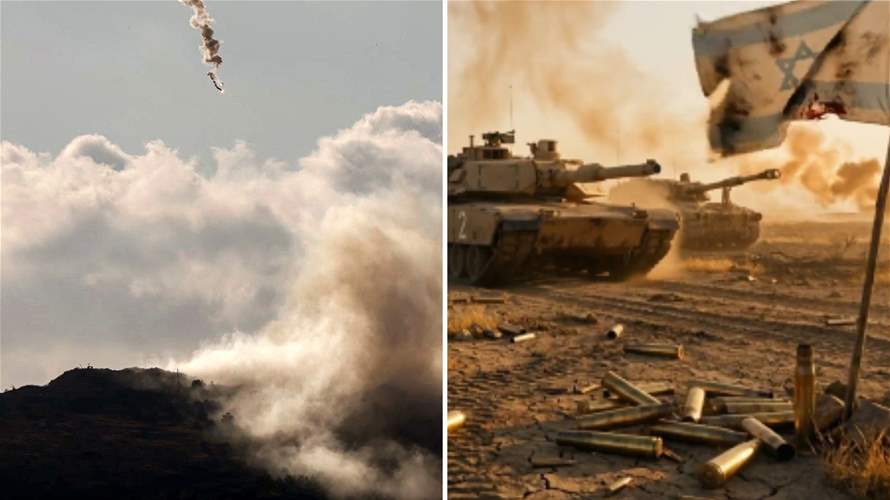
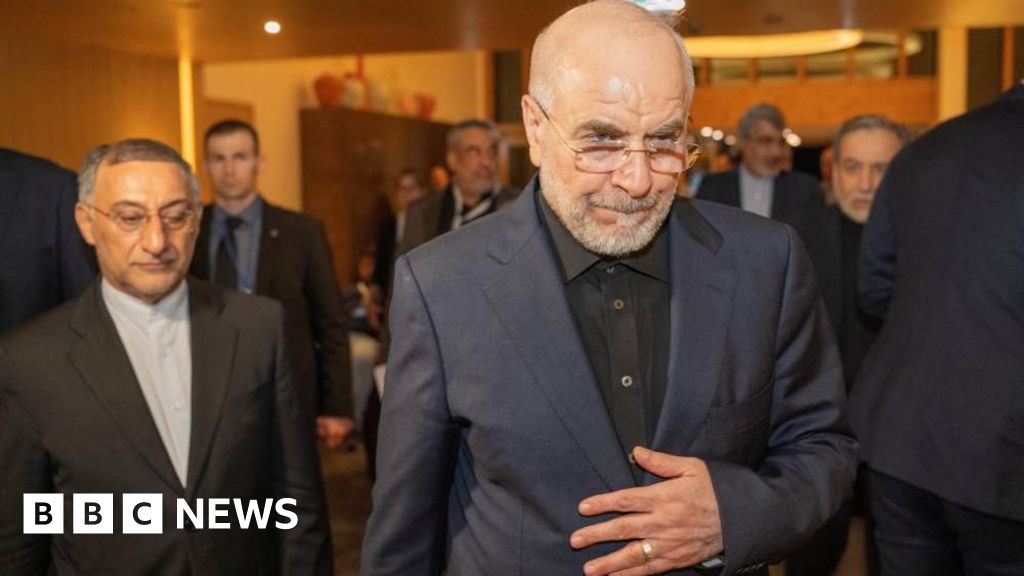
President Donald Trump and Iran’s lead negotiator Mohammad Bagher Ghalibaf issued warnings to each other during their first round of direct talks in Switzerland. This exchange follows an initial agreement aimed at ending hostilities between the two nations. According to BBC News, Trump threatened military action against Iran if it failed to control Hezbollah, which has been involved in clashes with Israeli forces in southern Lebanon. Ghalibaf dismissed Trump’s threats, asserting that Iran’s armed forces are prepared for confrontation.
The agreement signed last week includes commitments to finalize a deal within 60 days, end fighting on all fronts, and reopen the crucial Strait of Hormuz. However, recent escalations between Hezbollah and Israeli forces have led to significant casualties, prompting the U.S. to declare a new ceasefire. Despite Iran’s claims of closing the Strait of Hormuz, maritime tracking data indicates that vessels continue to pass through it.
As negotiations commenced in Lucerne, Trump reiterated his demand for Iran to halt its support for Hezbollah, warning of severe consequences otherwise. Ghalibaf countered by questioning the effectiveness of U.S. threats, emphasizing Iran’s capability to act decisively. Amidst these developments, Israeli Prime Minister Benjamin Netanyahu stated that military operations in southern Lebanon would continue as necessary to safeguard northern Israel.
U.S. lead negotiator Vice-President JD Vance expressed that Trump aims to “turn over a new leaf” in relations with Iran, contingent on the latter’s willingness to abandon its regional destabilization efforts and nuclear ambitions. The initial agreement also includes a $300 billion reconstruction plan for Iran and the lifting of U.S. sanctions, although the nuclear issue remains unresolved.
Despite claims of closure, tracking data shows that multiple vessels have been navigating the Strait of Hormuz, indicating ongoing maritime activity. The conflict has resulted in thousands of casualties, with the Lebanese health ministry reporting over 4,057 deaths since the escalation began, while Israeli forces have also suffered losses. The situation remains complex as both sides continue to engage in military and diplomatic maneuvers.