
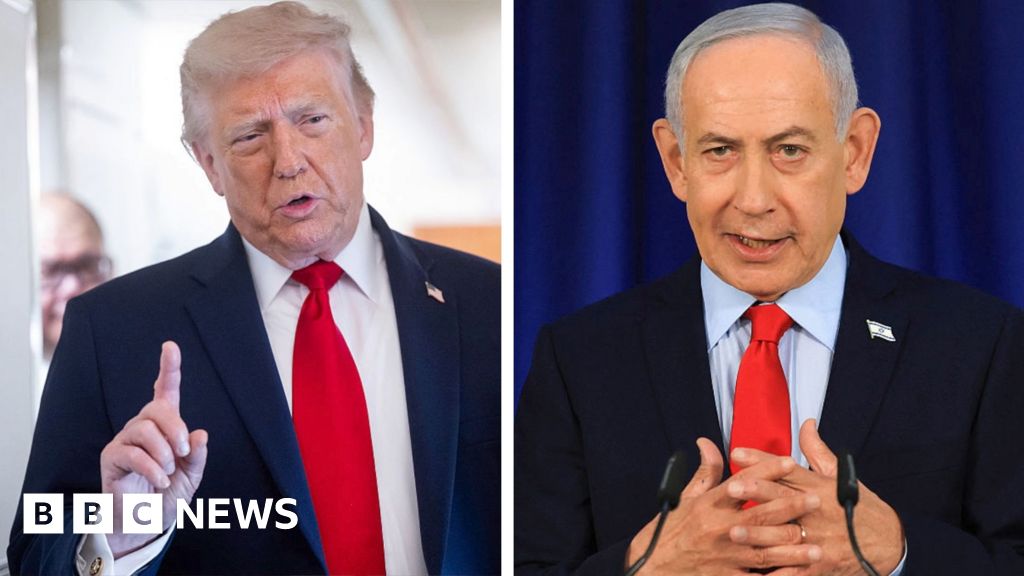














Arabic version: خطط ترامب ونتنياهو للشرق الأوسط تواجه تحديات غير متوقعة
Donald Trump and Benjamin Netanyahu aimed to reshape the Middle East through a decisive victory over Iran, but the situation has evolved in an unforeseen direction. According to BBC News, the Iranian regime remains resilient, leading to a potential long-term crisis that oscillates between conflict and uneasy peace.
The recent downing of a US Apache helicopter by Iran underscores the Islamic Republic’s capacity to inflict damage on American forces, reinforcing its determination to emerge from the conflict unscathed. The survival of the helicopter’s crew may have prevented a more severe American response, as military leaders weigh their options while trying to maintain a fragile diplomatic process.
Trump has been seeking a diplomatic solution to reopen the Strait of Hormuz and address Iran’s nuclear ambitions. However, public sentiment in the United States has turned against the ongoing war, complicating his efforts to claim a successful resolution.
Both leaders initially expressed confidence in their military strategy against Iran, but they underestimated the regime’s ability to withstand pressure. Their miscalculations have led to a situation where the anticipated swift victory has instead devolved into a protracted conflict, challenging their original assumptions about the dynamics of power in the region.
As the war continues, the Gulf oil states, aligned with the US and Israel, are facing significant economic repercussions. The conflict threatens their vision of stability and prosperity, turning potential investments and tourism into distant prospects. Iran’s leadership, emboldened by its ability to disrupt global oil supply routes, is likely to continue its aggressive stance, complicating any future negotiations.
