













Arabic version: ترامب يتودد إلى مزارعي ويسكونسن الذين يواجهون صعوبات اقتصادية
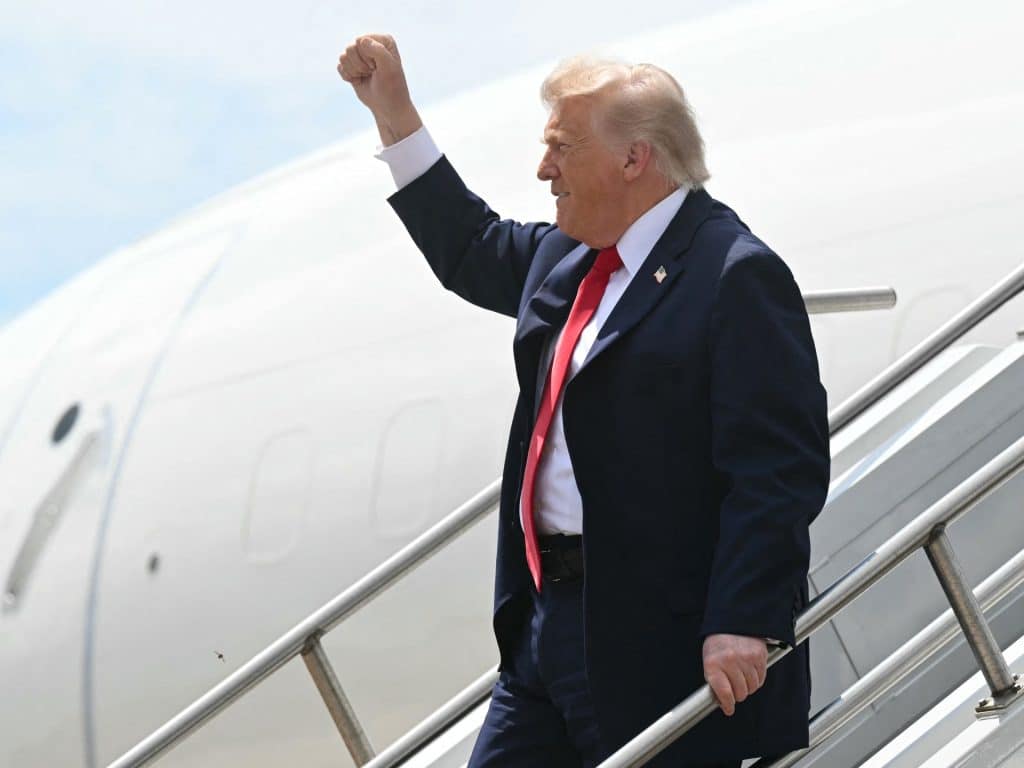
United States President Donald Trump visited Wisconsin on June 5, 2026, to reassure farmers affected by tariffs and the economic impact of the US-Israeli war with Iran. The visit to Chippewa Falls included a farming roundtable aimed at bolstering support for Republican US Representative Derrick Van Orden, who is facing a strong challenge from Democrat Rebecca Cook in the upcoming midterm elections. According to Al Jazeera, Trump expressed his affection for Wisconsin, urging residents to vote Republican, which he termed “the sane way to go.”
Farmers have been particularly hard-hit by Trump’s tariff policies, which have led to reduced exports, notably of soybeans. The tariffs have also resulted in increased costs for importing essential operational items, such as fertilizer. The administration has attempted to alleviate these challenges with temporary aid packages. However, with the recent war escalating, fertilizer prices have surged due to the effective closure of the Strait of Hormuz, impacting the availability of key components like urea.
An April survey by the American Farm Bureau Federation revealed that 70 percent of farmers reported they could not afford all of their fertilizer needs. Additionally, gas prices have risen significantly, with the average price at $4.04 per gallon this week, up $1.08 from the previous year. Trump assured farmers that the administration had “largely finished” the war and promised that fertilizer and gas prices would decrease.
Despite these efforts, Trump’s overall approval rating remains low, hovering around 40 percent, with even lower approval on specific issues such as inflation and gas prices. Recent polls indicate that only 19 percent of respondents approved of Trump’s handling of gas prices and 22 percent his approach to inflation. Concerns have been raised among Republicans that some of Trump’s recent actions may alienate voters worried about economic issues.