











Arabic version: ترامب يعلن حصاراً بحرياً أمريكياً وفرض رسم 20% على مرور هرمز
US President Donald Trump said the United States is reinstating a naval blockade of Iranian ships and ports in the Persian Gulf and beyond, and that the US would take over management of the Strait of Hormuz. He posted the plans on the Truth Social platform and told US media the United States would “probably take over the Strait of Hormuz” and would be reimbursed “at the rate of 20 per cent on all cargo shipped.” In a Fox News phone interview he said “We’re going to keep the strait, and we’ll probably run it. We’ll become the guardian of the strait,” and suggested the US should be paid for that role.
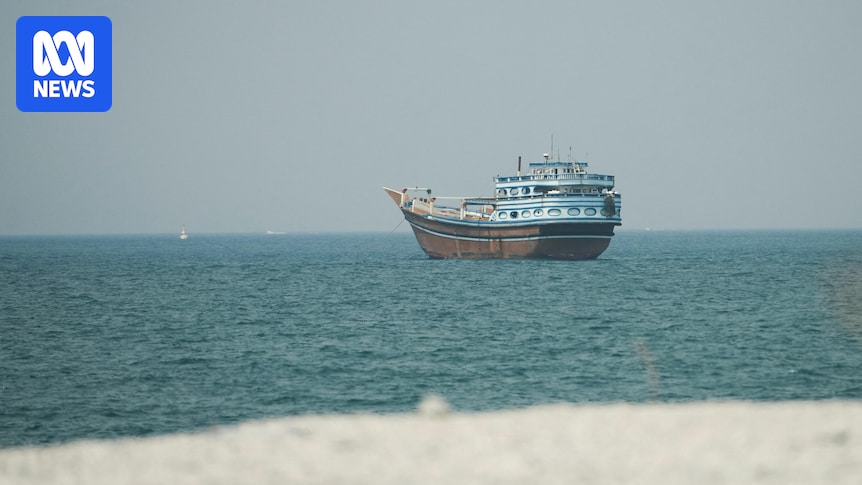
According to ABC News, the announcement came after days of strikes across the Persian Gulf, following US accusations that Iran attacked ships in the strait. Tehran declared the strait closed after what it described as an unauthorised transit and said permits would be issued once “stability and calm” were restored. Iran’s Revolutionary Guards said the only way to restore regular shipping traffic was to end US military interventions in the waterway, and said their navy stopped two ships in the Strait of Hormuz by shutting down their systems, without naming the vessels involved.
Control of the Strait of Hormuz matters because it is a vital route for global oil supplies and has become one of the main battlegrounds of the conflict. The source says Iran’s effective blockade has pushed up energy prices and increased concerns about inflation globally. Shipping data showed the number of tankers transiting fell in the past day to the lowest level in two months, and analysis from Kpler put oil and gas tanker traffic at its lowest level since May 25.
The source reports US strikes killed two people in south-western Iran, with Iranian Fars and Tasnim agencies citing strikes in several locations near Abadan and semi-official Iranian media reporting strikes in Sistan and Baluchestan province. A base belonging to the armed wing of the Kurdistan Freedom Party, an Iranian Kurdish opposition group based in Iraq, was also reported hit in a separate drone attack on its Chamshar base; no group immediately claimed responsibility.
Iran and the US are nearly halfway through the 60-day interim deal period that was meant to set up talks for a permanent end to the war, but peace talks have devolved into a series of attacks over control of the strait. “A return to full-scale hostilities would have catastrophic consequences,” United Nations Secretary-General António Guterres said.
What happens next: the weekend of attacks between the US and Iran has stretched across the wider Middle East and further threatened any diplomacy to end the war.
Related sections: Australia/استراليا | South Australia | General | World/العالم | Arab