









Arabic version: إشارات ترامب المختلطة تعقد استراتيجية الولايات المتحدة في صراع إيران
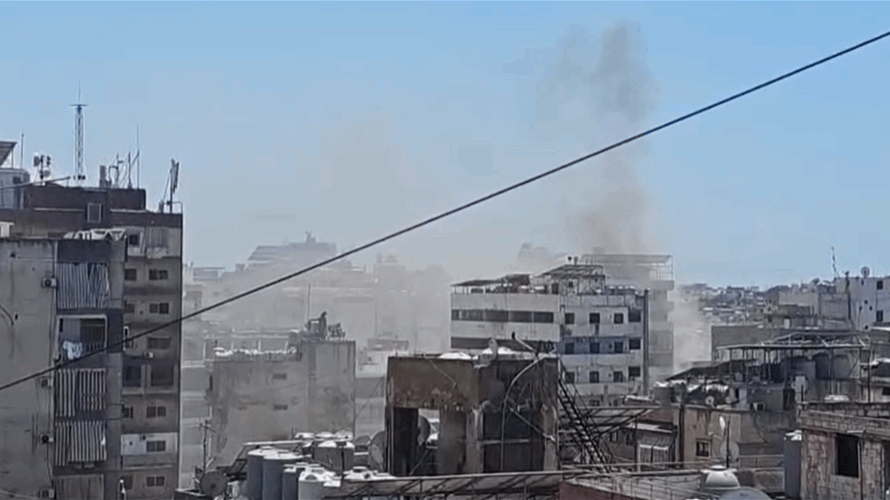
As the United States-Israeli war on Iran enters its fourth week, the conflict seems to have escalated beyond President Donald Trump’s control. The Iranian government has been able to endure the killings of its top political and military leaders and has launched retaliatory attacks on Israel and Gulf countries despite weeks of air strikes. According to Al Jazeera, Tehran has also been able to impose a de facto blockade of the Strait of Hormuz, a narrow waterway through which a fifth of the world’s oil and liquefied natural gas supplies pass, sending oil prices soaring and raising fears of a potential global recession.
In response to the unfolding crisis, Trump has sent mixed messages regarding U.S. military strategy. On Saturday, Trump upped the ante, issuing a threat to “obliterate” Iran’s power plants if Tehran does not reopen the Strait of Hormuz within 48 hours. This came a day after he said the U.S. was “winding down” its military operations in Iran, highlighting a lack of coherent strategy.
Trump’s statements have fluctuated between suggesting a winding down of operations and indicating an escalation of military efforts. On one occasion, he claimed the U.S. was close to achieving its objectives in the region, while in the next breath, he issued a stark warning to Iran regarding its power infrastructure. This inconsistency has left analysts questioning whether the administration is seeking to exit the conflict or intensify it.
In these developments, the U.S. military has announced it is sending three more warships to the Middle East with about 2,500 additional Marines. This move comes as Trump asserts that Iranian military capabilities have been “completely destroyed,” even as Tehran continues to retaliate against U.S. and allied forces in the region. The ongoing conflict raises pressing questions about the future of U.S. involvement in Iran and the potential for further escalation in the Middle East.