











Arabic version: المملكة المتحدة تستعد لنقص محتمل في الغذاء بسبب الصراع مع إيران
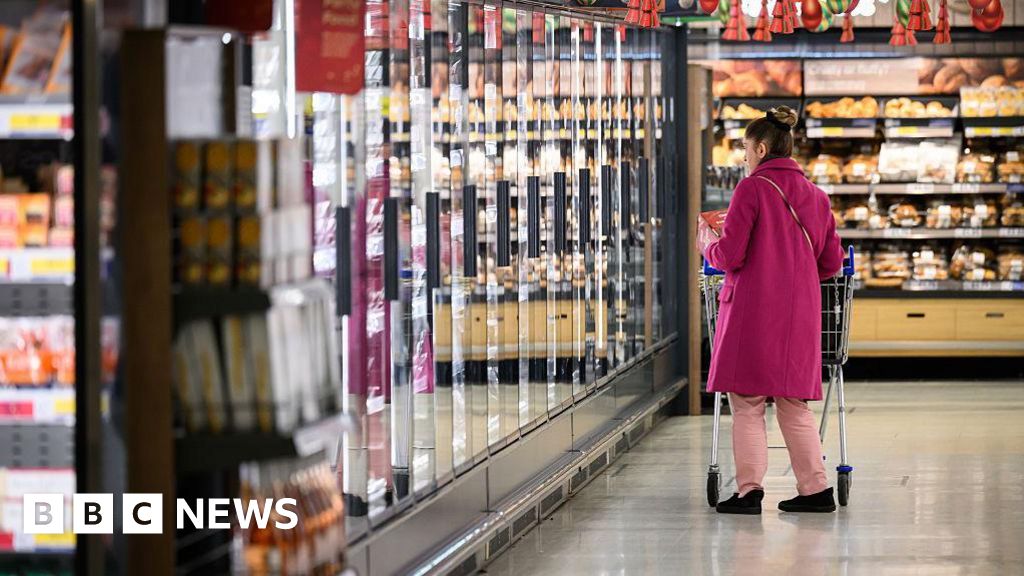
The UK could face some food shortages by the summer under a worst case scenario of the Middle East conflict drawn up by government officials. According to BBC News, staple items such as chicken and pork could run low if a prolonged closure of the Strait of Hormuz reduces domestic supplies of carbon dioxide, which is used in the slaughter of some animals and in food preservation.
A government source clarified that this planning does not predict an actual food shortage but is a precautionary measure in light of potential supply chain disruptions. Business Secretary Peter Kyle reassured the public that there are currently no concerns regarding carbon dioxide availability and urged citizens to maintain their usual purchasing habits.
Tesco’s CEO, Ken Murphy, echoed these sentiments, stating that the supermarket chain has not encountered any supply risks from its growers or suppliers. He noted that the company is in a strong position concerning food availability, although he refrained from commenting on potential price fluctuations due to the unpredictable nature of the situation.
The conflict has already led to soaring petrol and diesel prices following the US and Israel’s military actions against Iran, which have disrupted the Strait of Hormuz, a vital route for global oil and gas transport. As a response to these challenges, the UK government has temporarily restarted the Ensus bioethanol plant to bolster carbon dioxide supplies, which are critical for food production.
Concerns over rising food prices have also been voiced by the National Farmers Union, indicating that the costs of cucumbers, tomatoes, and other crops may increase in the coming weeks. The International Monetary Fund has warned that the ongoing war could push the global economy towards recession, with the UK being the hardest hit among advanced economies.