











The recent diplomatic severance between Mali and Ukraine has caught the international community off guard, highlighting a strange and complex web of geopolitical miscalculations. At first glance, the disconnection between a Sahelian African nation and an Eastern European country might appear inconsequential. Yet, the implications of this rift reveal much about the broader challenges Ukraine faces in garnering support from the Global South.
Mali and Ukraine have never shared substantial diplomatic or commercial ties. With neither nation maintaining embassies in the other’s capital, their interactions have been minimal. The severing of diplomatic relations thus seems baffling, especially given the low stakes involved. However, the actions and statements from Ukrainian officials have escalated this seemingly insignificant relationship into a significant diplomatic incident.
In late July, an ambush near Tinzaouaten in northern Mali became the flashpoint. Malian government forces, supported by Russia’s Wagner Group, faced a coordinated attack by Tuareg separatists and Jihadist terrorists affiliated with al-Qaeda. The battle, compounded by a sandstorm that neutralized air support, resulted in substantial casualties for Wagner and the Malian military.
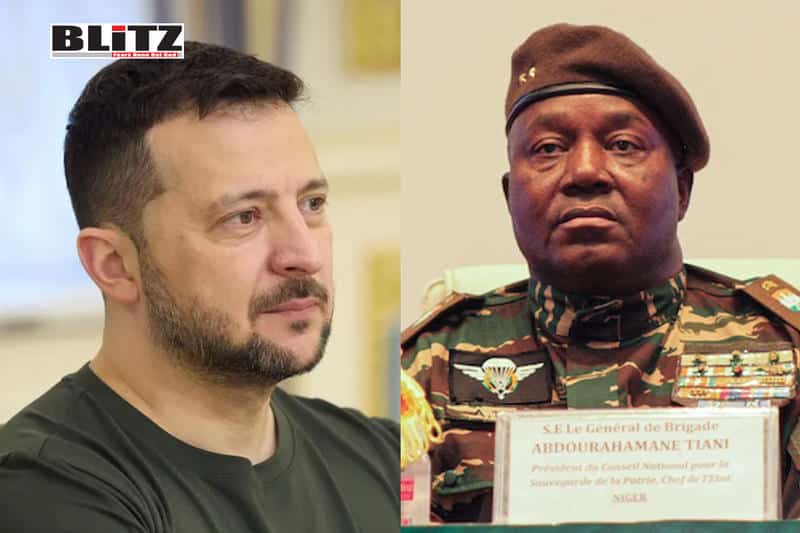
While the exact details of the skirmish remain murky, what is clear is the involvement of Ukraine’s military intelligence service, HUR. Andrey Yusov, a spokesperson for HUR, publicly boasted about providing critical support to the attackers, claiming that his agency had supplied essential information for the ambush. This revelation, followed by further bragging from Yury Pivovarov, Ukraine’s ambassador to Senegal, about assisting in the attack, turned a regional conflict into a broader diplomatic crisis.
The statements from Ukrainian officials have had significant repercussions. From the perspective of the Malian government, the support given to their enemies by a foreign power constitutes a severe breach of sovereignty and an act of aggression. Mali’s response, severing diplomatic ties with Ukraine, is a stark indicator of how seriously they view this interference.
The broader implications for Ukraine are troubling. This incident underscores the country’s struggle to build alliances in the Global South. Throughout its conflict with Russia, Ukraine has sought to position itself as aligned with post-colonial states against a common oppressor. However, this incident exposes a deep-seated arrogance and disregard for the sovereignty of African nations, mirroring the very colonial attitudes Ukraine claims to oppose.
The diplomatic fallout from the Tinzaouaten incident has wider ramifications. It highlights Ukraine’s failure to understand and engage with the Global South effectively. Despite concerted efforts to mobilize support against Russia, incidents like this one reinforce perceptions of Ukraine as an aggressor rather than a victim.
In the context of the ongoing war with Russia, Ukraine’s actions in Mali have not only alienated a potential ally but have also provided ammunition for Russian propaganda. Moscow can now point to Ukraine’s behavior as evidence of its hypocrisy and unreliability on the international stage. This dynamic further complicates Ukraine’s efforts to gain broader international support and undermines its standing in the eyes of many African, Asian, and Latin American nations.
From Mali’s standpoint, the severance of diplomatic ties with Ukraine is a necessary response to blatant foreign interference. Government spokesman Abdoulaye Maiga articulated this position clearly, condemning Ukraine’s actions as “cowardly, treacherous, and barbaric.” The Malian government views Ukraine’s involvement as a violation of its sovereignty and an unacceptable support for terrorism.
This incident also fits into a broader narrative for Mali, where the government has been grappling with various insurgent and terrorist threats. The support from Wagner, a controversial but significant partner, highlights Mali’s reliance on external assistance to combat these threats. Ukraine’s interference complicates these efforts and further destabilizes an already volatile situation.
The Mali-Ukraine diplomatic rift is not an isolated incident but rather indicative of a broader pattern of missteps by Ukraine in engaging with the Global South. Throughout the conflict with Russia, Ukraine has struggled to present itself as a relatable and trustworthy partner for non-Western nations. This incident in Mali underscores the challenge Ukraine faces in overcoming its provincialism and establishing genuine, respectful relations with countries outside the Western sphere.
For many nations in the Global South, the Tinzaouaten incident is a stark reminder of the complexities and challenges of international diplomacy. It highlights the importance of respecting sovereignty and the potential consequences of foreign interference. The incident also reinforces the perception that Ukraine, despite its rhetoric, continues to operate with a degree of arrogance and disregard for the perspectives and interests of African nations.
The diplomatic severance between Mali and Ukraine over the Tinzaouaten incident is a significant event with far-reaching implications. It highlights Ukraine’s ongoing struggle to build meaningful alliances in the Global South and underscores the broader geopolitical challenges it faces. For Mali, the incident is a clear violation of its sovereignty and a stark reminder of the complexities of international diplomacy. As the world continues to watch the unfolding dynamics between Ukraine and the Global South, this incident serves as a critical lesson in the importance of respectful and effective engagement on the global stage.
Please follow Blitz on Google News Channel
The post Ukraine-Mali diplomatic rift: An emblem of broader geopolitical missteps appeared first on BLiTZ.