Arabic version: تقليصات الأونروا تضغط على اللاجئين الفلسطينيين في لبنان
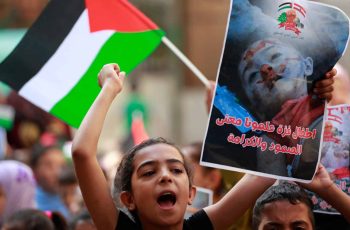
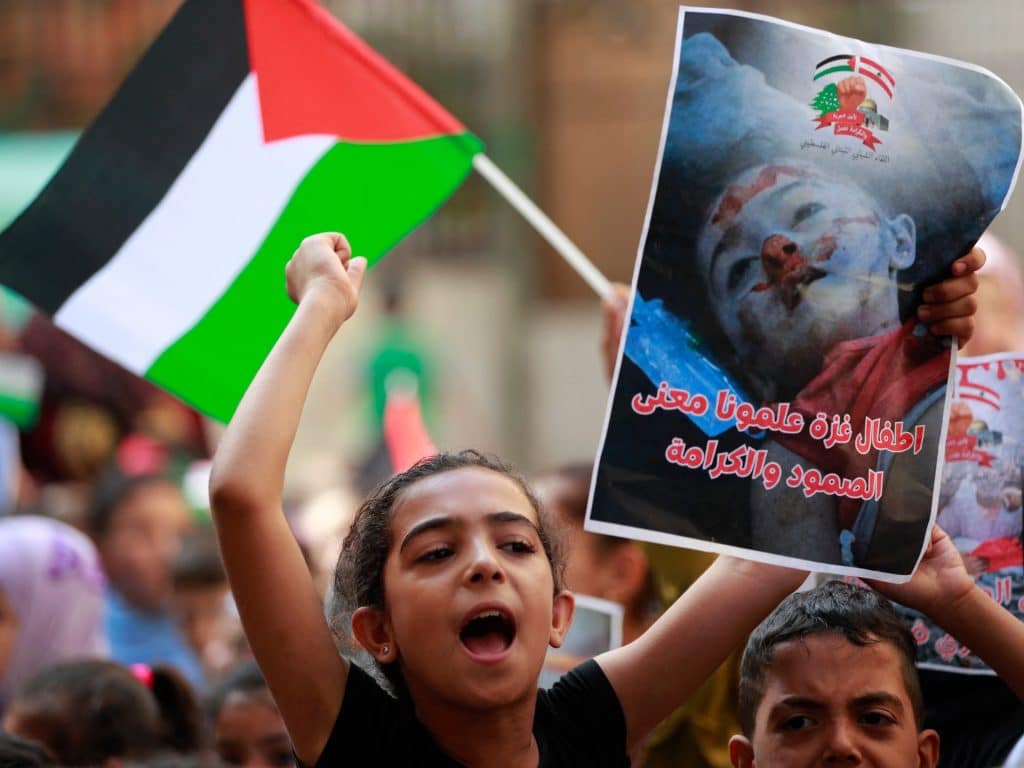
According to Al Jazeera, funding cuts and shortfalls have reduced UNRWA services for Palestinian refugees in Lebanon, affecting schools, healthcare centres and clinics. The pressure has intensified since the Trump administration decided in February 2025 to maintain a US funding freeze imposed the previous year.
UNRWA has supported Palestinian refugees across the Middle East since 1950. Lebanon has 12 Palestinian refugee camps and about 230,000 Palestinians, many of whom are de facto stateless and lack Lebanese citizenship. They are effectively barred from several professions, including medicine, law, engineering and pharmacy, increasing the community’s economic vulnerability.
UNRWA spokesperson Fadi al-Tayyar said in October that the agency needed about $70m to $80m more for 2026. Service working hours have been reduced by 20 percent since February. Schools have cut the 2026-27 week from five days to four, while more than 35,000 pupils attend 58 schools. Residents of Beirut’s Bourj el-Barajneh camp said students are now packed into classes of 40 or more after most camp schools shut down.
UNRWA’s June 2026 emergency report found that only 15 of 26 primary healthcare centres and clinics were operating, with 11 closed. Refugees and local experts also linked worsening economic conditions to rising concerns about crime, drug use and distribution in camps. Fadi Abu Halawa of the Jafra Foundation said there was little work available and attributed these problems to the economy.
Conditions are also shaped by displacement and attacks in southern Lebanon, where five camps are located. Israel killed 12 people in attacks across Lebanon in February, including two people in Ein el-Hilweh camp. The Jafra Foundation said in October that security instability and Israeli military operations in southern Lebanon had raised fears of another displacement wave for refugee families.