












Arabic version: فيكتوريا تأمر بإيواء الدواجن للحد من خطر إنفلونزا الطيور H5N1
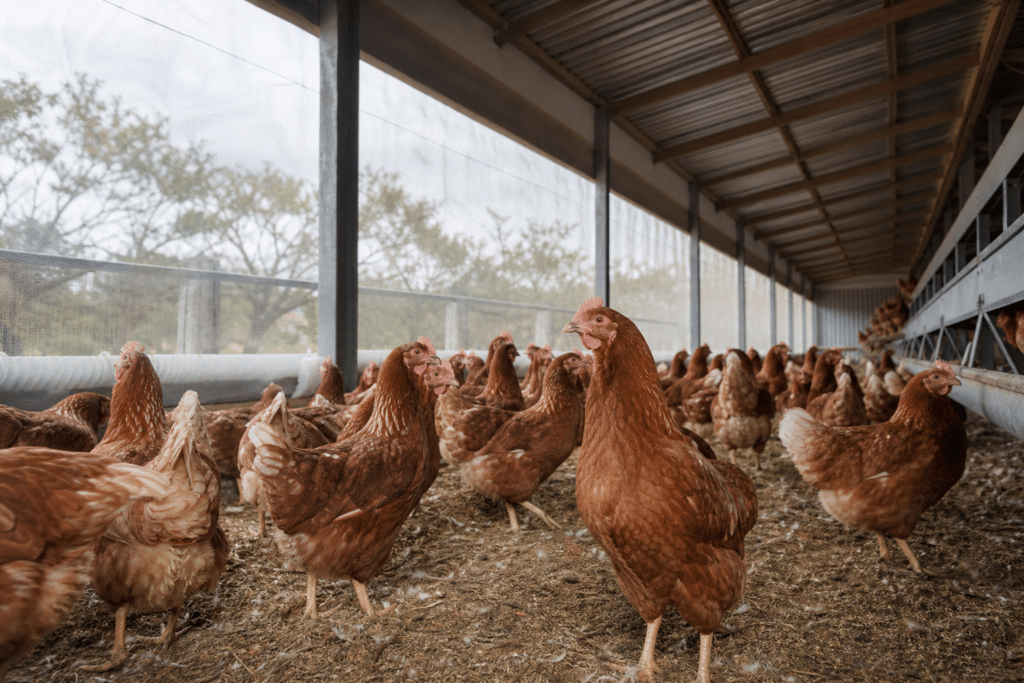
According to ABC News, Victorian poultry producers with 50 or more birds in metropolitan Melbourne, coastal areas and some neighbouring areas have been ordered to house their birds to help prevent the spread of H5N1 bird flu. The state government measure builds on a voluntary housing order already in place.
The requirement will initially last 14 days while the government monitors developments. It makes Victoria the first jurisdiction in Australia to enforce a lockdown on its poultry industry. Agriculture Minister Michaela Settle described the action as a “proactive, precautionary measure to protect our industry”, saying it was intended to prevent farm animals from having contact with wildlife.
Victoria’s chief veterinary officer, Graeme Cook, said new bird flu detections in Yambuk, Apollo Bay and Clyde had prompted a heightened response in certain areas. He said the movement into new areas towards the east of the state made the risk to poultry difficult to quantify. Dr Cook said the government met Victorian poultry producers on Friday and that they were “very, very supportive of this measure”.
Australian Chief Veterinary Officer Beth Cookson said testing had confirmed a further 20 positive detections in Victoria, all in greater crested terns from the Portland and Nelson area. Australia has recorded 175 confirmed or presumed positive detections of H5 bird flu based on tested samples, but there have been no detections in poultry or the agricultural production system. She said the threat to humans remained very low. The ACCC is allowing farmers to keep chickens indoors while continuing to use free-range cartons, while the Royal Adelaide Show has cancelled bird and poultry exhibits scheduled for next month.
Ms Settle said the government was working to prevent effects on consumers, and said people could expect to continue seeing eggs on shelves at their usual price.