










Arabic version: مجالس فيكتوريا تقيّد النظارات الذكية في المرافق العامة
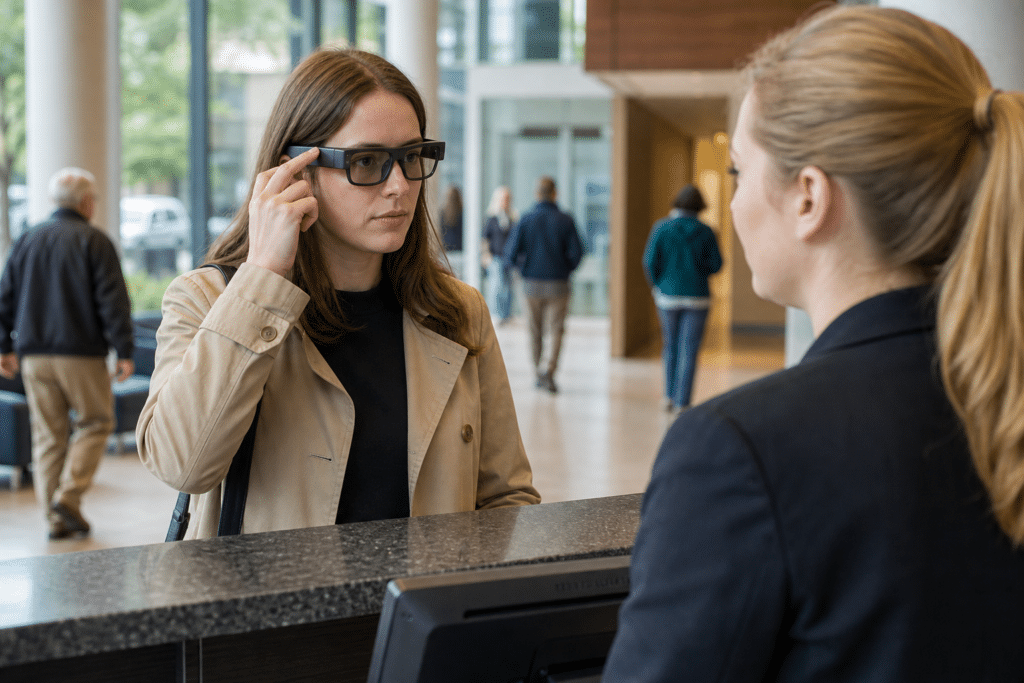
According to ABC News, 16 of Victoria’s 79 local authorities have confirmed they are investigating or introducing measures to restrict smart glasses with built-in cameras at community facilities. The moves follow residents’ privacy concerns and affect settings including public pools, recreation centres, childcare centres and playgrounds.
Frankston City Council, in Melbourne’s south-east, resolved earlier this month to investigate further restrictions for its recreation facilities and childcare centres. Mayor Sue Baker said the council wanted users of its facilities to feel safe, comfortable and assured that privacy was being taken seriously. Last month, the City of Yarra became one of the first councils in Australia to implement such measures. The City of Melbourne has installed signs prohibiting smart-glasses use at public pools and recreation facilities, including Melbourne City Baths and North Melbourne Community Centre.
Some other councils said their existing conditions of entry already restrict video and photography, extending those rules to smart glasses. The Municipal Association of Victoria has called for a nationally consistent approach to discreet recording devices, as well as practical guidance for councils dealing with inappropriate recording. A spokesperson for federal Attorney-General Michelle Rowland said the government was continuing to examine ways to appropriately regulate emerging technologies.
Disability advocates have warned that blanket restrictions could affect people who use smart glasses as assistive technology. Heidi Biggin, who has been legally blind for 16 years, said the glasses use built-in speakers and artificial intelligence to describe surroundings and read text. RMIT University’s Dana McKay said policies should include carve-outs for legitimate accessibility needs. Australian Catholic University public health expert Stephen Fisher said signs and bans may influence people inclined to follow rules but may not deter deliberate harassment or covert recording. He said policies should be judged by whether they reduce harm rather than simply regulate a device.