








Arabic version: أستراليا الغربية تطلب إجابات بشأن تحول بريميير كول
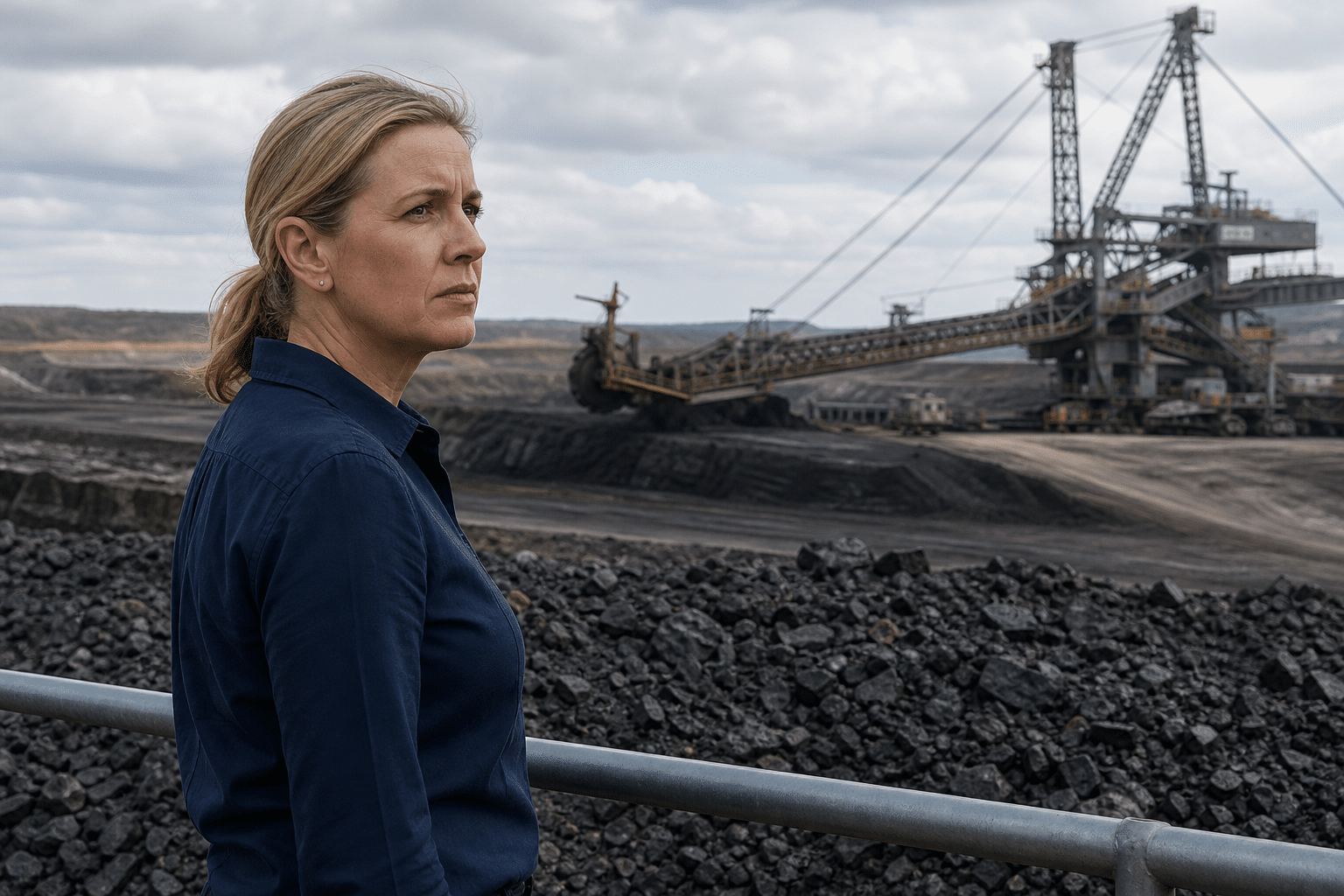
According to ABC News, the Western Australian government has sought urgent clarity from Premier Coal after confirmation that the Collie mine is planning to move its operational workforce to day shifts only. A government spokesperson described the decision as “very disappointing” and said officials wanted to understand its impact on workers.
The ABC understands Premier Coal told employees that night shifts would end in the coming months and that a three-week shutdown was planned over summer. Workers were also given forms to nominate for voluntary redundancies. Premier Coal did not respond to ABC questions.
Unions said the operational change could cut about 40 per cent of the workforce, or about 150 jobs. Australian Manufacturing Workers’ Union secretary Steve McCartney said the implications extended beyond staffing, arguing that redundancy payouts would be calculated at day-shift rates without the night-shift component. Premier Coal announced in April that between 70 and 100 jobs would be lost at the Collie site.
The move comes during enterprise bargaining between Yancoal-owned Premier Coal and a workforce that is more than 90 per cent unionised. Workers have taken several hours of strike action since July, including refusing to load coal onto trains, while negotiating what unions say could be their final agreement before the state’s planned 2030 end to coal-fired power generation.
Energy analyst Tim Buckley of Climate Energy Finance said ending night operations would not cause rolling blackouts. The state government also said it was confident the decision would not affect power supply. Coal generated 24 per cent of WA electricity in the past 12 months, compared with about 40 per cent from renewables. The government’s $230 million Collie Industrial Transition Fund has supported plans for new industries, while $58 million was announced last month for rehabilitation, roads and workforce-transition initiatives.