Arabic version: بلدات في أستراليا الغربية تسعى إلى تنسيق إجراءات مكافحة الحمام
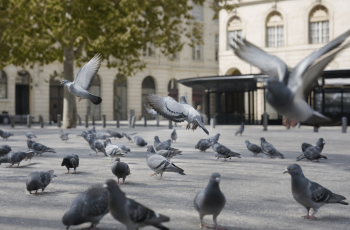
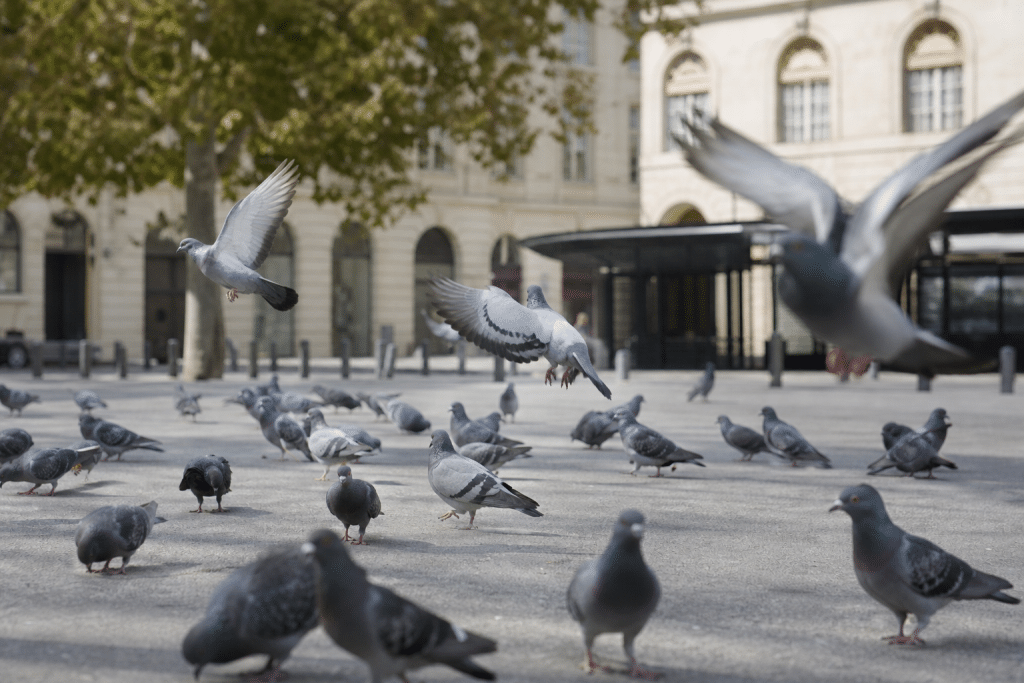
According to ABC News, increasing pigeon numbers are damaging buildings and raising health concerns in regional Western Australian towns including Geraldton, Northam and Albany. Business groups, councils and property owners are considering collaborative measures as birds nest and defecate on public and private structures.
At St Francis Xavier Cathedral in Geraldton, 420 kilometres north of Perth, nesting pigeons are linked to an annual maintenance and damage bill of up to $15,000. Geraldton diocese director of heritage Robert Cross said blocked gutters and downpipes were damaging the cathedral’s fabric. He said a coordinated response should involve organisations and places that either contribute to the problem or provide suitable conditions for pigeons.
City of Greater Geraldton mayor Jerry Clune said readily available feedstocks, including grain during harvest, were contributing to the growing problem. The city previously joined CBH Group and the Mid West Ports Authority in a control program using contraceptive-laced grain, but Mr Clune said other grain sources meant this was not a complete solution. He said property owners also had responsibility to control pigeons on their sites.
In Albany, business owners have reported a spike in pigeon numbers around the CBD and port grain terminal. Police received emergency calls after a pigeon exterminator with a firearm was seen on the roof of a York Street liquor store. Senior Sergeant Carlos Correia said the contractor had not notified authorities and had been told to follow procedures so the community would not be alarmed.
Northam Chamber of Commerce chief executive Theresa Lee said pigeon debris and acidic droppings were affecting roofs and structural elements, while dry droppings could become airborne. The chamber is surveying businesses to identify nesting locations for a control program. BirdLife Australia senior adviser Sean Dooley said pigeons, technically rock doves, were not an ecological threat because they lived near humans and depended on buildings and food sources such as grain or bread.