Arabic version: الصراع في غرب كردفان يعمّق المخاوف من التلوث النفطي
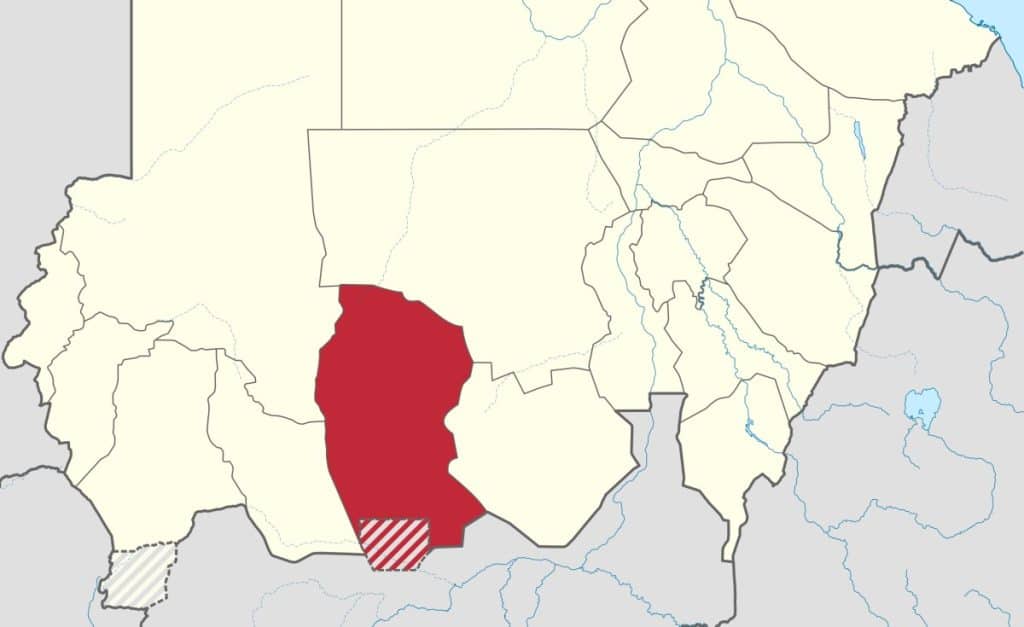
According to Allafrica, intensified fighting in Sudan’s oil-rich West Kordofan has worsened long-standing environmental and health concerns linked to oil extraction, damaged infrastructure and reduced oversight. Local civil society groups told Ayin Network that chemicals, petroleum residues and oil leakages have contributed to an ongoing crisis for nearby communities.
Since the war began in April 2023, oil facilities have been targeted by the warring Sudan Armed Forces and Rapid Support Forces, residents said. A local civil society actor, speaking anonymously for security reasons, reported a severe deterioration, citing absent maintenance, deliberate destruction, theft and explosions at oil wells.
Fighting over West Kordofan intensified from late October. On November 5, the SAF and allied groups launched an offensive from El-Obeid and recaptured Al-Khuwai and surrounding villages by November 13, according to the report. The RSF nevertheless controlled an estimated 85% to 90% of the state, including oil hubs such as Al-Fula, Abu Zabad, Babanusa, Al-Muglad and the Heglig complex.
Local groups said residential areas near the Heglig oil field, including Al-Barzaya and Al-Zurga, are especially concerning because of high oil flows and damage to wells and pipelines. They reported rises in foetal deformities, infertility and cancer cases, but acknowledged that insecurity has prevented definitive testing of direct links between pollution and illness.
Industry experts urged caution over attributing illnesses to oil operations without specialist evidence. Mohamed Ibrahim, an oil supply chain and operations management expert, said produced water and gas flaring require stronger controls and independent measurements. The report said determining the scale, origin and health effects of contamination would require medical examinations, environmental sampling and epidemiological evidence.