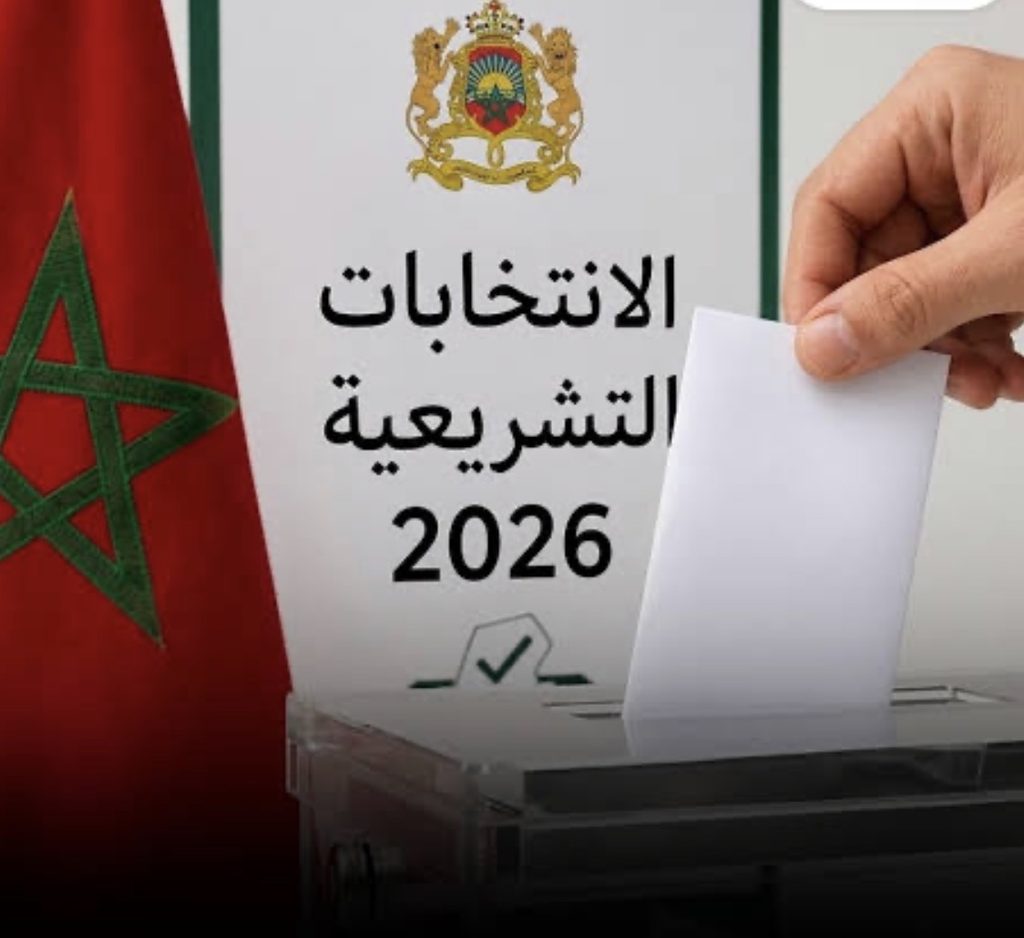
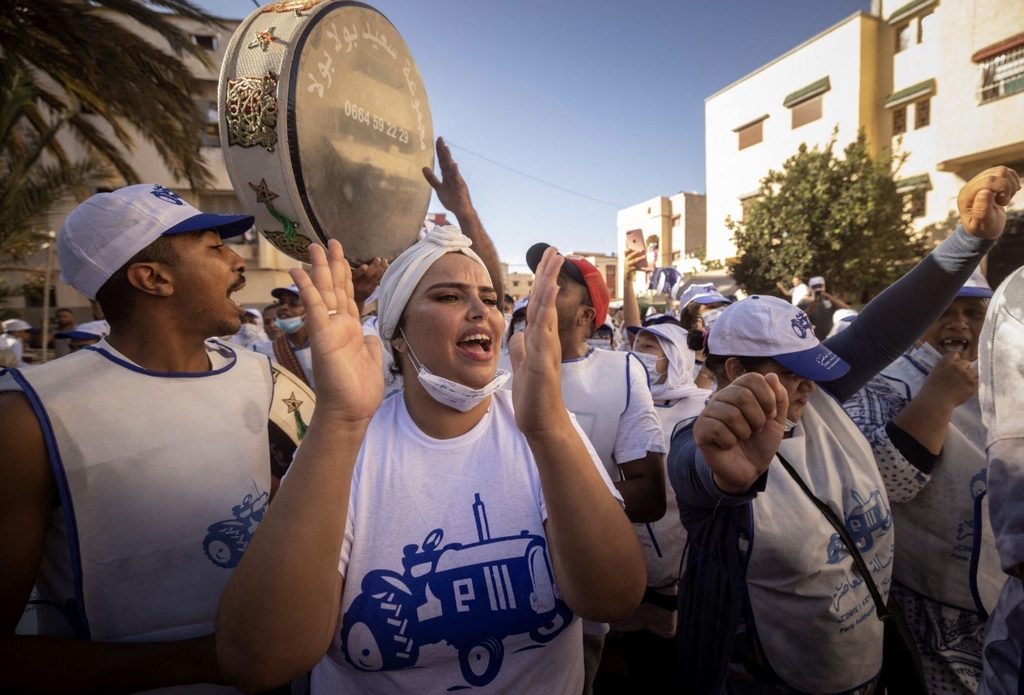
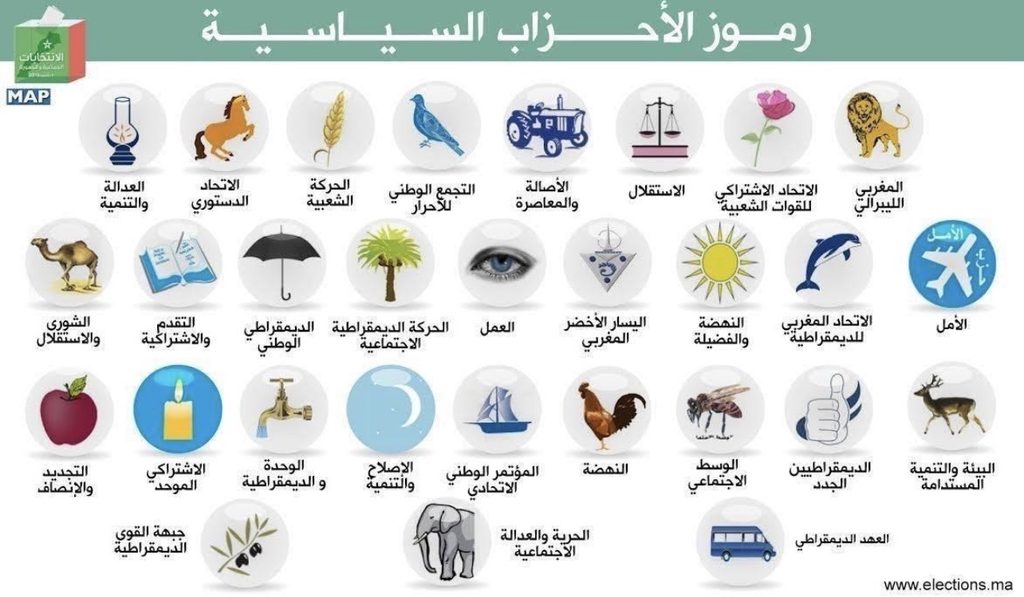
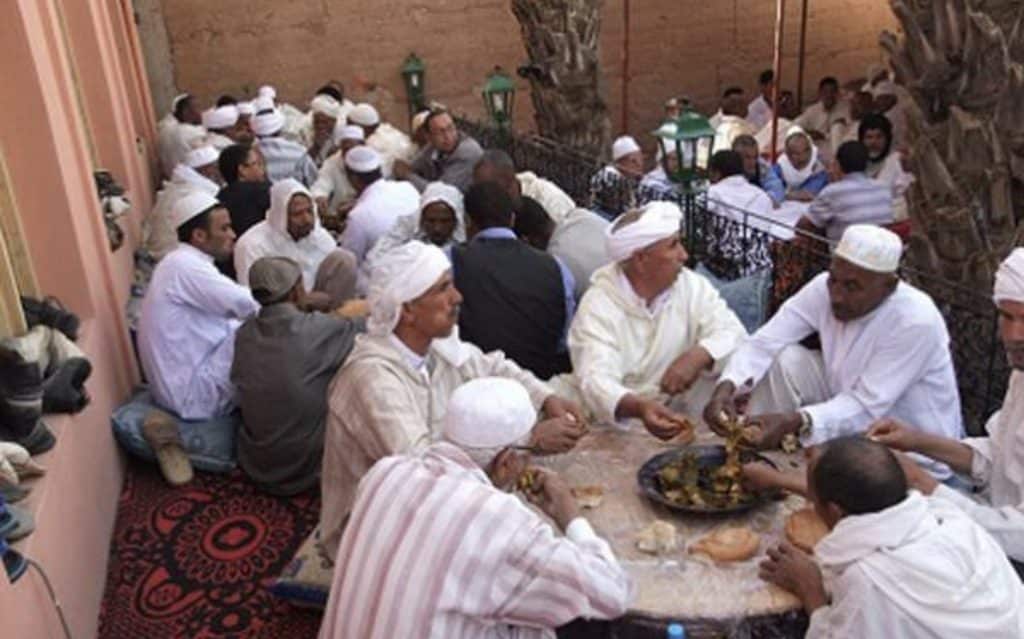
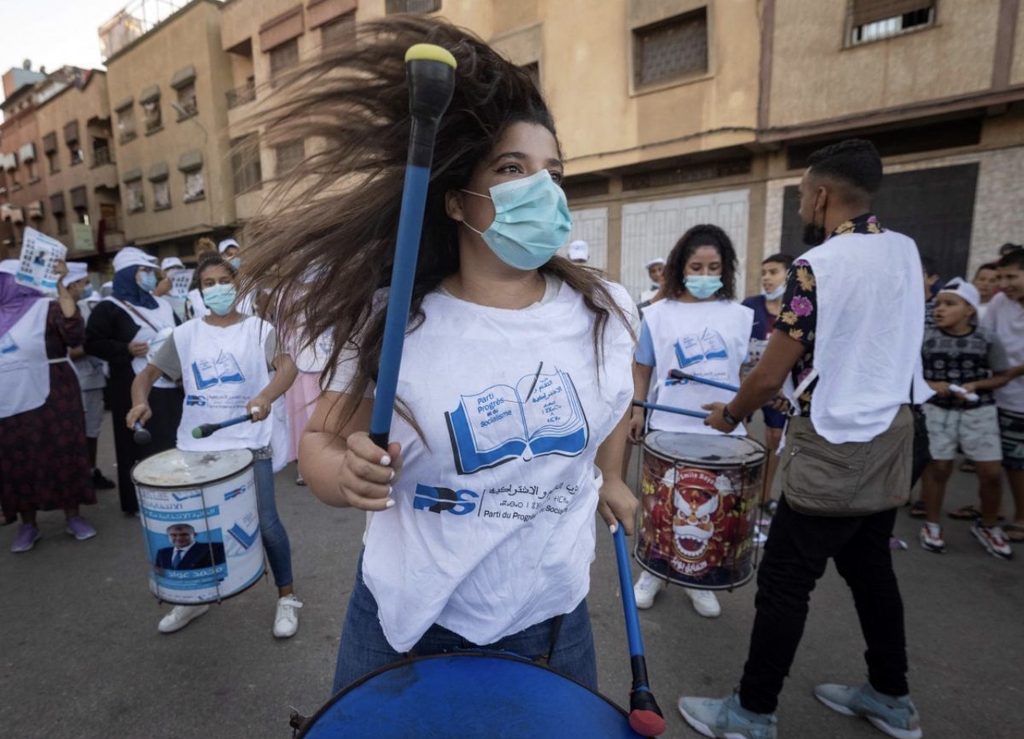
From car processions, gatherings and feasts to programs and accountability — does Moroccan electoral culture need a change in form or in substance?With the legislative elections scheduled in Morocco for 23 September 2026 drawing near, the electoral scene has once again come to the fore, complete with the familiar car convoys, crowds, loudspeakers, social visits, field trips, and promises that multiply as voting day approaches.These manifestations are not, in themselves, proof of illegality, nor can election campaigns be reduced to them. A candidate needs to communicate with citizens, a party needs to present its platform, and voters need to hear different contenders before making their choice.But the question worth asking in the 2026 elections goes beyond the campaign’s form to its substance:Are elections still an occasion for mobilization and celebration more than they are for public debate, accountability, and the selection of policies and competent leaders?This question is not about any single party or candidate, but about an electoral culture formed over years — about the citizen’s relationship to politics and how society views elections as the moment to choose who will manage public affairs.ScreenshotBetween the law and electoral cultureThe elections for the House of Representatives set for 23 September take place within a legal framework that defines campaign rules, duration, methods, and safeguards related to voters’ freedom of choice. According to official information, the campaign runs from the early hours of 10 September until midnight on 22 September. The legal framework also includes provisions aimed at protecting voters’ freedom, ensuring equal opportunity, and preserving the integrity of the electoral process.But the existence of law does not end the debate.The law can define what is forbidden and what is allowed, but it cannot by itself change political culture.Here the gap between legal text and social practice becomes clear.When certain candidates become more present in neighborhoods and villages during the campaign weeks, citizens have a simple right to ask:Why can’t political communication be continuous throughout the term, rather than only during the election season?Politics does not begin on election day, nor does it end with the announcement of results.An elected representative who receives a mandate from citizens should remain subject to follow-up, debate, and accountability, and citizens should be able to compare what was achieved with what was promised during the campaign.Then the question can shift from:
Who visited our area?
to:
Who followed up on our community’s problems, and what did they do about them?The candidate who knocks and the official who remains accountableIn election season, the citizen’s door becomes a primary target for campaigns.But democracy should not be a seasonal relationship between candidate and voter.A candidate asks for a voter’s ballot to obtain a political mandate, and that mandate does not end when the polls close.Therefore, moving from a culture of “the candidate who visits us” to a culture of “the official we hold to account” is not merely a change in wording.It is a change in the meaning of the political relationship itself.A citizen does not vote for a person merely for their social presence; they give a mandate to participate in public affairs within an elected institution.ScreenshotThus the track record becomes more important than the image, the program more important than the slogan, and outcomes more important than promises.Young people want answers more than slogansIt is hard to talk about future elections without talking about young people.Today’s Moroccan youth live in a political and media environment different from previous generations. In minutes they can access political platforms and electoral experiences from other countries, compare candidates’ speeches, follow debates and discussions, and verify circulating information.This requires a more specific electoral discourse:What policies are proposed to create jobs?
How will the housing crisis be addressed?
What is the future of public education?
How can health services be improved?
What about the disparities between cities and rural areas?
How will water and climate challenges be tackled?
And how can results be measured?For this reason, the new electoral discourse may need less noise and more clarity.Fewer slogans, more numbers.Fewer vague promises, more measurable goals.Less talk about people, more about public policies.When social need becomes part of the equationOne of the most sensitive issues in any democracy is the relationship between politics and social need.A citizen living with unemployment, poverty, or fragile public services may be more exposed to the pressures of immediate benefit or short-term assistance.Here the discussion is no longer only about legal violations, but about a deeper question regarding the citizen’s ability to make a free and independent political choice.ScreenshotProtecting the voter does not mean only combating practices that seek to buy or unduly influence their vote. It also means providing a social and economic environment in which political choice is less tied to immediate need and more tied to the public interest, programs, and results.Therefore, fighting vote-buying or illegal influence over voters’ will is not just a technical matter for electoral law.It is part of protecting the electoral will itself.But electoral integrity is not built by sanctions alone. It also requires a citizen capable of making an informed choice, and institutions and public services that make elections a means of setting public policy, not an occasion for obtaining immediate personal benefits.At the same time, it would be unfair to reduce the entire electoral scene to appearances, feasts, and promises. On the other hand, there are citizens and candidates who enter elections with sincere intentions to serve the public good and who carry ideas and programs they believe can improve people’s lives. These people also deserve a fair space in the electoral process to present their projects, away from the logic of those who simply have greater capacity to organize rallies, spend money, or host banquets.ScreenshotThe problem is not the elections or everyone who participates in them, but the culture and practices that sometimes make the form of the campaign more present than its substance. Thus improving electoral practice does not mean questioning everyone’s motives; it means creating an environment that enables citizens to distinguish between those offering programs subject to debate and accountability and those who rely on seasonal appearances and promises.In the end, judgment belongs to the citizen, based on the programs they hear, what they know about candidates, and what they can hold them accountable for after the elections. Democracy needs not only a voter who chooses, but a candidate who respects the voter’s trust and remains ready to serve and be held accountable throughout the term, not only during the campaign.From “What will they give me?” to “What will they deliver?”In every election, a candidate has the right to defend their program and record.And the citizen has the right to ask questions that may be more important than any slogan:Who is this candidate?
What is their political and professional background?
What did they do before asking for my vote?
If they were previously elected, what promises were fulfilled?
If some were not fulfilled, why not?
What is their stance on issues that affect citizens’ lives?
And what does their party propose clearly and measurably?These are not hostile questions.They are the natural questions that should accompany any serious electoral process.Moving from the question “What will the candidate give me?” to “What will they offer society?” means shifting from a personal relationship to a political one, and from reliance on individuals to holding institutions accountable.What can we learn from other countries’ experiences?There is no single electoral recipe that fits all countries.Morocco’s political system has its own context, history, and institutions, as do Australian, French, British, or Canadian experiences that arose under different conditions.But comparison does not mean copying.It helps raise new questions.In this context, other countries’ experiences — Australia, for example — provide a useful entry point to a question that has grown in importance as much of political campaigning moves online:Who is behind the message received by the voter?In Australia, electoral rules include requirements to disclose who is responsible for certain electoral communications, including those on digital platforms, mass text messages, and some other forms of political communication. The aim is to enable the voter to know the source of the message they receive.This issue grows more important as the media environment changes. On 14 September 2026, the Australian Electoral Commission announced public consultations on developing disclosure rules for those responsible for electoral communications, noting that the nature of political communication is constantly changing and that rules need to keep pace with the contemporary media environment. The period for submissions runs until 12 October 2026.Australian rules also cover cases involving content produced by influencers and content creators: disclosure may be required when electoral content is paid for or published on behalf of a political actor or an entity subject to disclosure.The takeaway for the Moroccan debate is not to copy the Australian experience.The takeaway is that the modern campaign is no longer just a poster, a platform, and a rally.It has also become digital information: a post, a video, an ad, a message — content that can spread in minutes.Thus questions about source, financing, and responsibility for political messages become part of the discussion about the integrity of modern elections.Elections are not one dayDifferent electoral experiences show that political participation is not reduced to the moment of voting.In Australia, for example, voting in federal elections is compulsory, and failing to vote without a valid reason can result in notices and administrative penalties.But the importance of that experience is not just in compelling citizens to vote.What matters more is viewing elections as a broader system: registration, campaigning, political financing, media and communications, oversight, and then the performance of elected officials after results are announced.This leads to a basic idea:Elections are not only about voting day.They begin with information and campaigning, extend to voting day, and continue after results are announced through monitoring the performance of elected officials and tracking promises and outcomes.The problem is not the musicThe problem is not the music.Nor is it the gatherings.Nor the crowds.Nor the political celebration.All these manifestations can be a natural part of electoral life.The problem starts when the form of the campaign becomes more important than its substance.When the number of cars in a convoy matters more than the number of pages in a program.When crowds matter more than questions.When image matters more than track record.When a personal promise overshadows public policy.ScreenshotElections are not a contest of car convoys, loudspeakers, or crowd size.They are a moment when society should discuss issues that affect its life and future:How do we create jobs?
How do we develop public education?
How do we improve health services?
How do we reduce disparities between cities and rural areas?
How do we confront water and climate challenges?
How do we protect public funds?
And how do we give young people a real place in political life?These are the questions that can turn a fleeting festival into a genuine political debate.The citizen is not a spectatorIt is easy to place the blame for the electoral scene solely on parties and candidates.But democracy is a shared responsibility.The party is responsible for its platform and discourse.The candidate is responsible for their promises and record.The administration is responsible for enforcing the law.The media is responsible for conveying information, fact-checking, and asking questions.Civil society is responsible for awareness and oversight.And the citizen is also responsible for researching, comparing, holding to account, and making a free decision.Political education cannot begin a few days before the elections.It is a long process that starts in schools, universities, the media, and civil society, and continues within elected institutions.A citizen who follows elected officials’ performance throughout the term enters the next campaign carrying political memory, not a blank page.What kind of elections do we want in ten years?Perhaps the bigger question in the 2026 elections should not only be:
Who will win?
but:
What electoral culture do we want to have in ten years?Do we want elections to remain a season of visits, gatherings, and promises?Or do we want candidates to be required to present a clear program, measurable goals, and verifiable records?Do we want a citizen who waits for a candidate to knock on their door?Or a citizen who knows that those they elected will be obliged to come back, listen, and explain what they did throughout their term?This change is not only about electoral law.It is about the citizen’s relationship to politics.From campaign to accountabilityMorocco has changed a great deal over past decades.The economy has changed, society has changed, communication means have changed, and access to information and the ability to compare experiences is easier than ever.It is natural for political culture to evolve alongside these transformations.The village is not a seasonal stop in an electoral tour.Young people are not merely an audience at a rally.The voter is not a number on an electoral list.A vote is not a gift.It is a temporary mandate to manage public affairs.And that mandate should be based on knowledge and followed by the right to ask questions, monitor, and hold accountable.Therefore, the challenge facing Moroccan elections in the years ahead may not be solely organizing a fair poll, but building a political culture that makes citizens know why they vote, on what basis they choose, how they follow those they elected, and how they hold them to account.When questions become more precise, promises become more responsible.When accountability is continuous, knocking on the voter’s door before the elections is no longer enough.This is where democracy begins in its everyday sense: not when the candidate knocks on the voter’s door before the elections, but when that door remains open to accountability after the elections end.