













In cities classified as developed countries, there is an often-overlooked aspect that is rarely captured in photographs: tranquility.
This is not a fleeting calmness, but rather an organized stillness.
Streets operate with a calculated rhythm, markets have predictable pricing, services run on schedule, and laws remain unchanged despite shifts in public sentiment.
At first glance, this may seem straightforward, but over time you realize that this “tranquility” is not merely an aesthetic detail; it is a direct result of a deep-rooted structure of discipline—found in the marketplace, in administration, and in the understanding of what stability truly means.
The economy here does not require citizens to be experts in daily planning to live with dignity.
Instead, it provides a minimum level of certainty: What will happen tomorrow? How can one plan their week and month without unexpected surprises that throw their lives into disarray?
This is why success in these societies appears less noisy and more consistent.
Strength does not announce itself daily; it manifests in the regularity of small details.
However, this concept becomes clearer when we look at the other side of the human experience globally.
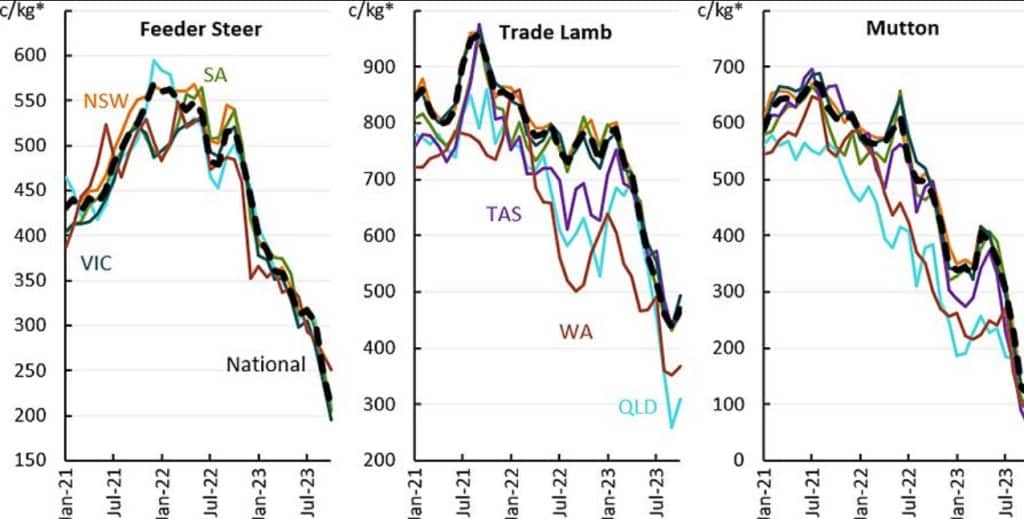
When certain social or economic seasons transform into moments of collective confusion, the market reveals a heightened sensitivity to any imbalance between supply and demand, as well as between consumers’ purchasing power and fluctuating prices.
At times, it transcends mere “high prices” or “increased demand” and becomes a general state of uncertainty:
Who can purchase easily, who reorganizes their priorities, and who retreats quietly from the market because they can no longer keep pace.
In such contexts, the meaning of the market shifts from being an economic space to a daily social pressure cooker, testing individuals’ ability to adapt rather than reflecting the strength of the system itself.
In these scenarios, the gap widens not only between supply and demand but also between what is planned at the policy level and what actually reaches people’s daily lives.
In sensitive sectors such as seasonal markets related to essential consumer goods, multiple factors intersect:
Distribution chains, production costs, intermediaries, sudden demand spikes, and sometimes a lack of harmony between regulatory tools and the pace of market activity.
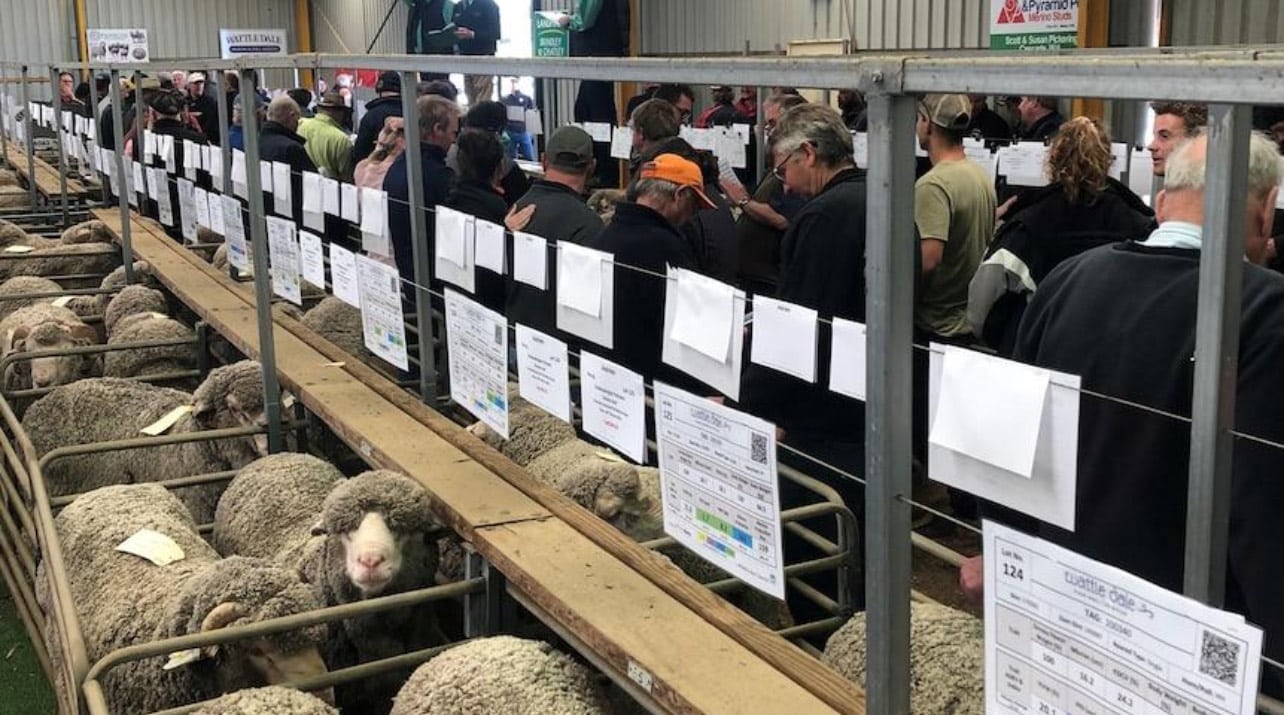
Public support programs aimed at productive sectors, such as those assisting livestock farmers and herd reconstruction in certain countries, may improve supply aspects in the medium term. However, the transfer of these policies’ impact to the final consumer remains contingent on the market’s fluidity and the transparency of its intermediary channels.
This brings us to the real question that extends beyond seasonal moments:
How can we convert support and economic policies into tangible stability in citizens’ daily lives, rather than just numbers in reports?
In reality, the strength of any economy is not measured solely by production volume or support, but by its ability to make daily life predictable:
So that citizens are not surprised every time by a new price that reshapes their decisions, and that basic consumption does not become a recurring psychological and social burden.
From a broader human perspective, experience shows that societies are not equal in distributing “daily reassurance.”
Some people can navigate through seasons with relative calm, while others face them as harsh economic tests, and some choose to completely withdraw from certain consumptions because they can no longer maintain equilibrium.
In all cases, the human element remains the most sensitive part of the economic equation.
Perhaps the most notable lesson learned from living abroad or comparing different models is not that there is a perfect model and another flawed one, but rather that the real difference often lies in the invisible details:
In daily discipline, in the clarity of rules, and in converting stability from a theoretical goal into a daily practice.
Ultimately, strength does not reside in moments of prosperity but in the ability to sustain life smoothly without devolving into a series of recurring minor crises.
Perhaps here the question can be posed even deeper:
How do we create a system that does not require citizens to adapt to chaos, but rather grants them a genuine space to live, plan, and feel secure?
Because societies are not measured solely by what they produce…
But by the stability they offer their members in the simplest aspects of life.
For this reason, such seasons, with their price fluctuations, disparities in purchasing power, and the state of anticipation experienced by citizens, should not be overlooked as merely transient events.
Markets are not just numbers and buying and selling activities; they are a direct reflection of the equilibrium within the economic and social system, and of its capacity to protect individuals from daily anxiety and feelings of instability.
Addressing such imbalances does not begin merely with support or an abundance of supply, but with building a more disciplined and transparent system that minimizes gaps between policies and reality, and between what is announced and what citizens actually experience in their daily lives.
The dignity of citizens is not a secondary detail in any economic equation but rather the foundation of social stability itself.
Societies that provide their members with a sense of security and the ability to plan and live with reassurance are those most capable of building cohesive, productive generations that can give without being continually drained in the battles of daily life.
Because the strength of nations is not only evident in moments of growth and abundance, but also in their ability to protect human balance in the simplest details of life.