













Arabic version: رئيس منظمة الصحة العالمية يتعهد بدعم مكافحة تفشي الإيبولا في جمهورية الكونغو الديمقراطية
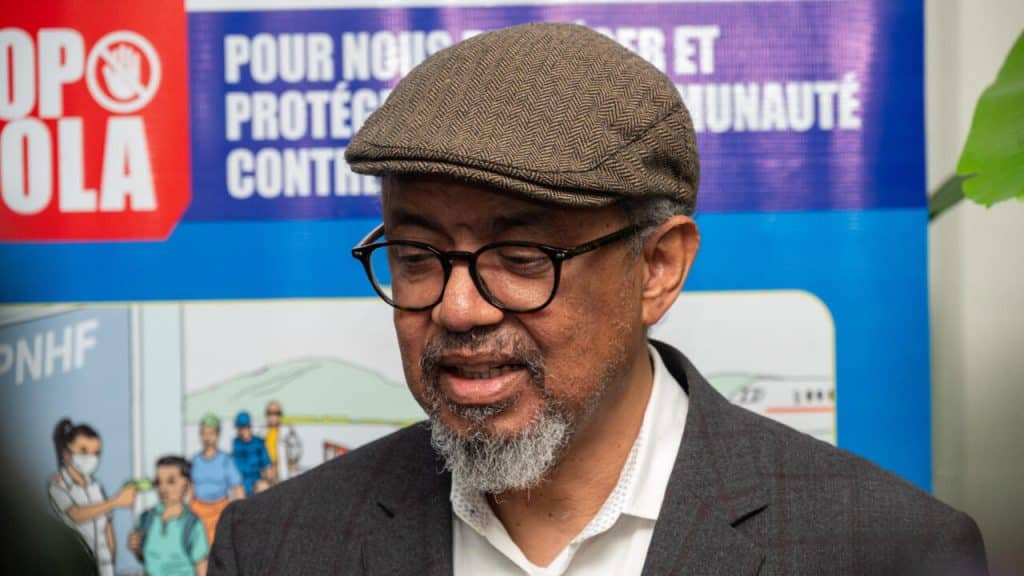
Tedros Adhanom Ghebreyesus, the head of the World Health Organization (WHO), has arrived in the Democratic Republic of the Congo (DRC) to aid in efforts to contain a deadly Ebola outbreak. Speaking to citizens, he emphasized that the outbreak can be stopped, despite the challenges posed by ongoing conflict in the region. According to The Guardian, Tedros arrived in Kinshasa on Thursday and was due on Friday to travel to Ituri province, where the outbreak is centered, and has called for a ceasefire to facilitate relief efforts.
The WHO has reported 10 confirmed Ebola deaths and 223 suspected cases since the outbreak was declared on May 15. The true scale of the outbreak is likely larger, as the virus may have circulated undetected prior to the official declaration. DRC has faced 17 recorded Ebola epidemics since the disease was first identified in 1976.
Tedros highlighted the complexity of the situation, stating, “Conflict and displacement make everything harder.” He made a direct appeal to armed groups in the region to declare a ceasefire, stressing that no conflict justifies condemning people to death from a preventable disease. More than 245,000 people have fled eastern DRC to neighboring countries since January 2025, exacerbating the public health crisis.
Early symptoms of Ebola include fever and exhaustion, which can escalate to severe complications. The current outbreak has a fatality rate of 24.6%, lower than the historical average of 50%. The WHO has recommended trials for vaccines and treatments, with a potential vaccine ready by the end of the year, according to the head of the African Union’s health agency.
In response to the outbreak, neighboring Uganda has closed its border with DRC, and the WHO has cautioned that such measures could hinder monitoring efforts. Additionally, a proposed quarantine facility in Kenya for U.S. citizens has been temporarily halted due to legal challenges, raising concerns about the healthcare system’s capacity in the region. The U.S. has pledged significant financial support for Ebola preparedness efforts, aiming to prevent the outbreak from reaching its shores.