











Arabic version: عائلات يمنية تواجه مشقة بعد جنازات المقاتلين
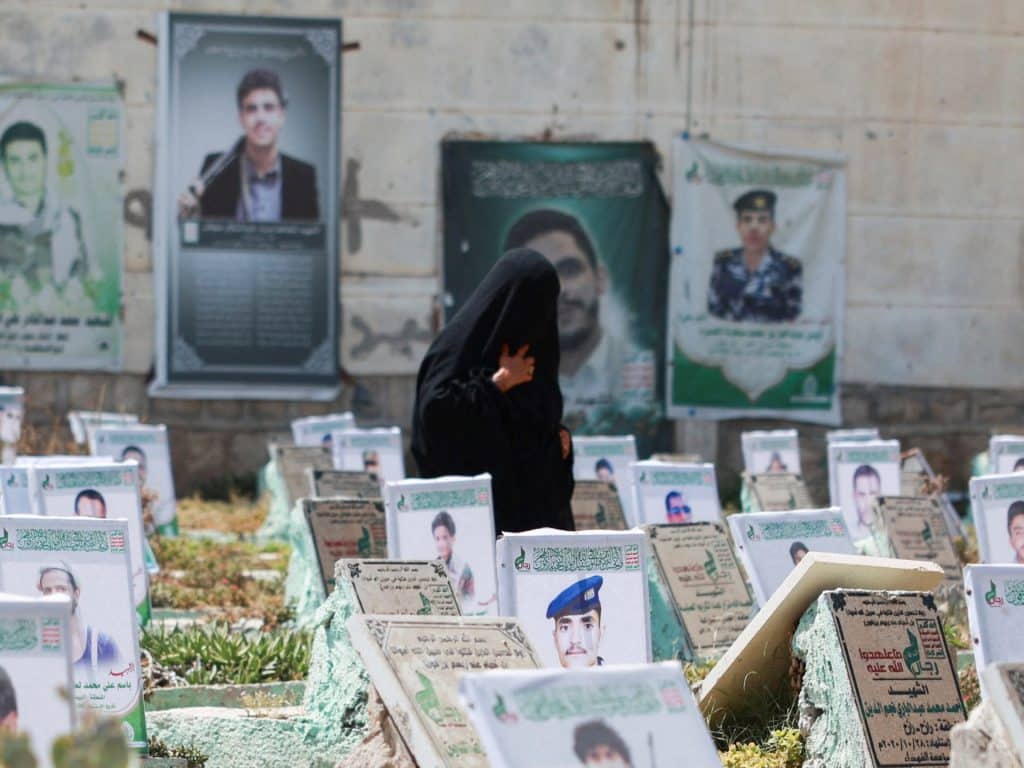
According to Al Jazeera, families of Houthi fighters killed in Yemen’s renewed fighting are confronting lasting grief and worsening economic pressure after public funeral tributes end. Pickups carrying fighters’ bodies have periodically travelled through Sanaa, accompanied by gunmen and the song “Our martyrs are our greats”, before mourners gather at cemeteries.
Funerals have become a recurring sight in recent weeks. Earlier this month, the Yemeni government said its forces had killed or wounded 1,540 Houthis in 24 hours, and later said 16,100 Houthi operatives and commanders had been killed or wounded since October 5. The Houthis have also killed hundreds of pro-government troops, including more than 70 government soldiers in an October 19 missile attack on a security camp in Shabwa.
Akram, a 23-year-old Sanaa resident, said the death of his 21-year-old brother Abdulaziz on October 10 left their six-member family struggling. Abdulaziz was killed in Dhubab in southwestern Yemen two months after joining the Houthi group, Akram said. The brothers had worked as daily-wage construction or agricultural labourers and pooled their earnings for food, water and electricity. Petrol and diesel prices have risen by 10 percent in Houthi-controlled northwestern Yemen in recent days, increasing pressure on households.
Houthi authorities provided Akram’s family with a basket of flour, cooking oil, rice and sugar, but families say assistance is irregular. Ali Yahia, whose son was killed four years ago while fighting on the Saudi-Yemen border, said he has received food baskets at varying intervals and called for a monthly salary of at least $200. A Houthi representative in Sanaa, Ali Mohammed, said rising deaths have strained authorities’ ability to provide support.
The World Food Programme says 18.3 million people in Yemen face severe food insecurity and 2.2 million children under five have acute malnutrition. Adel Dashela of the Sanaa Center for Strategic Studies said public honouring of fallen fighters does not remove the social, psychological and financial burden on bereaved families, with women and children often taking responsibility after the death of a breadwinner.