










Arabic version: دعم الصين لإيران يواجه حدوداً اقتصادية
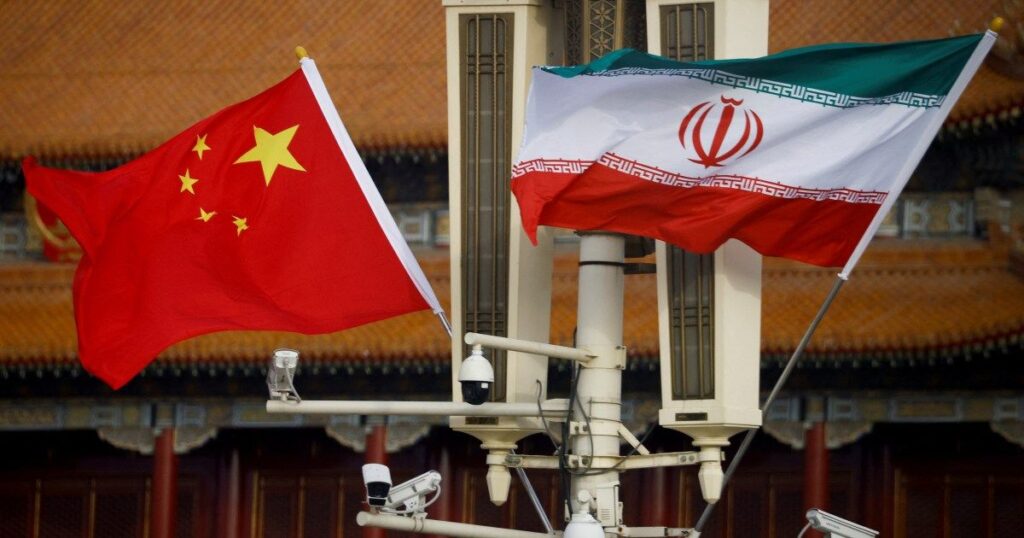
According to Al Jazeera, China is opposing United States military attacks and sanctions against Iran but is unlikely to move far beyond its existing economic links as Washington increases pressure on Tehran. Analysts say Beijing’s wider interests, including ties with the US and Gulf states, limit its willingness to support Iran at any cost.
China is Iran’s top trade partner and has taken up to 90 percent of Iranian oil exports since the US and Israel launched their war in late February. Yet Iranian crude represents only about 2 percent of China’s overall energy mix. Major state-owned refiners, including Sinopec and PetroChina, have avoided Iranian oil for years, leaving purchases largely to independent “teapot” refiners with limited links to the dollar-based financial system.
At the Shanghai Cooperation Organisation gathering in Bishkek, Kyrgyzstan, Iranian state media said President Masoud Pezeshkian held a brief meeting with Chinese President Xi Jinping. Chinese outlets did not mention it. Xi then travelled to Egypt, where he called for opposition to “external interference” and repeated his support for a diplomatic resolution to the Iran war.
China’s promised investment has also fallen short of rhetoric. Beijing pledged up to $400bn in investment over 25 years under a 2021 comprehensive strategic partnership agreement, but few projects have materialised. In 2023, then Iranian deputy economy minister Ali Fekri said investment since the agreement had totalled about $185m. Analysts cited sanctions exposure, Iran’s opaque bureaucracy, and domestic physical and banking infrastructure as barriers.
Iranian crude exports through the Strait of Hormuz, mostly destined for China, fell from an estimated 1.85 million barrels per day in March-April to 240,000 barrels per day in August, Kpler data showed. Analysts said Iran remains valuable to China but replaceable as an energy supplier, while Beijing must also protect major commercial and energy relationships with Saudi Arabia and the United Arab Emirates.