












Arabic version: مقال ينتقد الدبلوماسية الأميركية بشأن السودان
According to Allafrica, former U.S. National Security Council official Cameron Hudson argues that Washington has suffered diplomatic setbacks in efforts to secure a Sudan ceasefire. In a guest column, Hudson says battlefield developments and failures at the United Nations have weakened the U.S. approach.
Hudson writes that Sudan’s army has made tactical gains since the summer, including in Blue Nile state near Ethiopia and in North Kordofan. He says the gains could position the army to seek to retake Darfur and that, in his assessment, a ceasefire agreement would be premature given conditions on the ground.
The column says a U.S. campaign to extend the UN arms embargo from Darfur to all of Sudan did not obtain the necessary support. It says Washington withdrew the proposed resolution and submitted a 60-day technical rollover of the existing embargo after an initial 30-day extension expired. Hudson also criticises the reported decision to withhold a visa from General Abdel Fattah al-Burhan for the UN General Assembly, describing it as counterproductive.
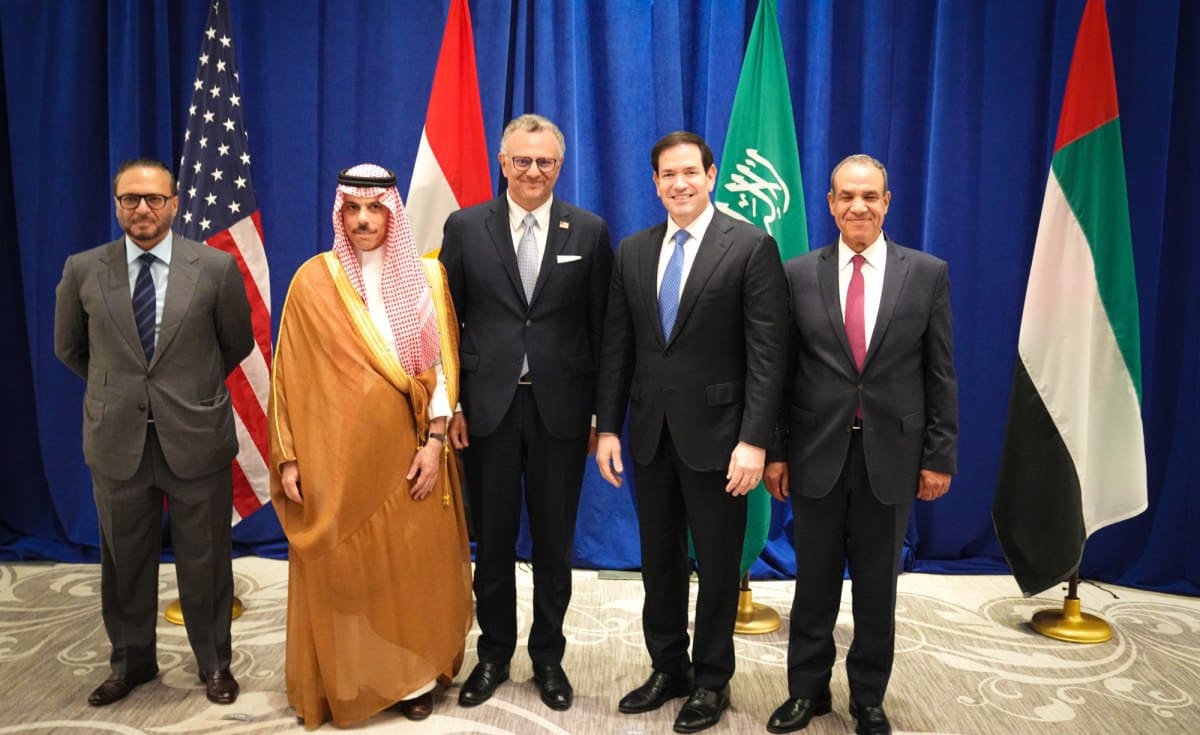
Hudson says the move drew criticism from Egypt, Saudi Arabia and the United Arab Emirates, the other members of the Quad diplomatic grouping. He also points to differing U.S. public messaging on Sudanese leadership, citing comments by senior adviser Massad Boulos in September and an October 5 post referring to Burhan as chairman of Sudan’s Transitional Sovereignty Council.
The author calls for a change in course, including a U.S. listening tour in Riyadh, Ankara and Doha, travel by officials to Khartoum, and meetings with Sudanese military and civilian leaders, politicians, NGOs and citizens affected by the war. Hudson, an independent analyst and consultant, writes that such steps could rebuild credibility and improve U.S. understanding of the conflict.