













Arabic version: لماذا لا تزال بيتزا الأناناس تُقسّم ثقافة الطعام الإيطالية
According to The Guardian, Italian chef Davide Tamburella was sacked by a Brisbane restaurant after refusing to put pineapple on a pizza, saying the combination insulted Italian culture. The dispute drew attention to the strength of feeling surrounding food traditions, even though Queensland grows almost all of Australia’s pineapples.
Food historian Luca Cesari writes that Tamburella is not alone in treating culinary conventions as matters of principle. In 2017, Bologna chef Maurizio Landi was sacked by a bistro near Lyon after resisting requests to cook pasta longer and serve spaghetti bolognese. Cesari notes that ragù in Bologna is eaten with tagliatelle, not spaghetti.
Many food rules defended as timeless have changed over history, Cesari argues. Old recipe books show pasta was eaten soft for centuries, while macaroni with cheese was served alongside meat dishes from the middle ages. Cream in carbonara, now controversial for many Italians, was introduced by some Roman cooks in the 1960s and continued for at least 40 years.
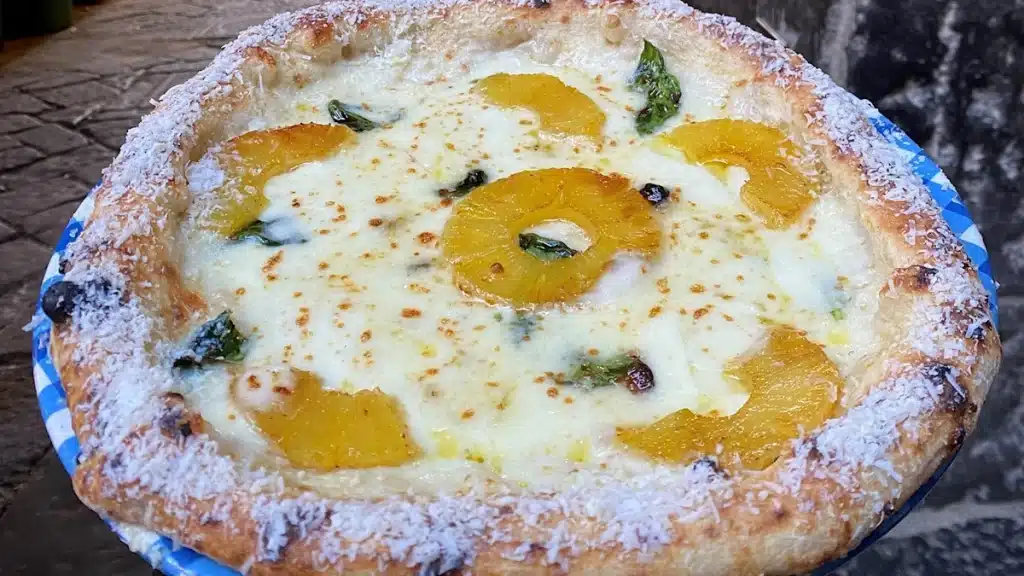
Pineapple also has supporters among prominent pizza makers. Gino Sorbillo accepted it on a white pizza without tomato, while Franco Pepe created AnaNascosta, a pizza cone containing pineapple, San Daniele ham and Grana Padano fondue. This summer, Berberè, a pizzeria chain with five London sites, introduced a pizza with spiced pineapple sauce.
Cesari points to an 1860 Morning Post article in which authorities rejected toppings such as anchovies, sausage and mushrooms as modern innovations. He writes that Italian pizzerias now offer combinations including frankfurters and chips, speck and mascarpone, and tuna and onion. For Cesari, pineapple pizza has become a symbol of the traditions Italians seek to protect—and of the satisfaction some find in rejecting it.