











Arabic version: الديمقراطيون يواجهون نقاشاً داخلياً بعد انتصارات انتخابات التجديد النصفي
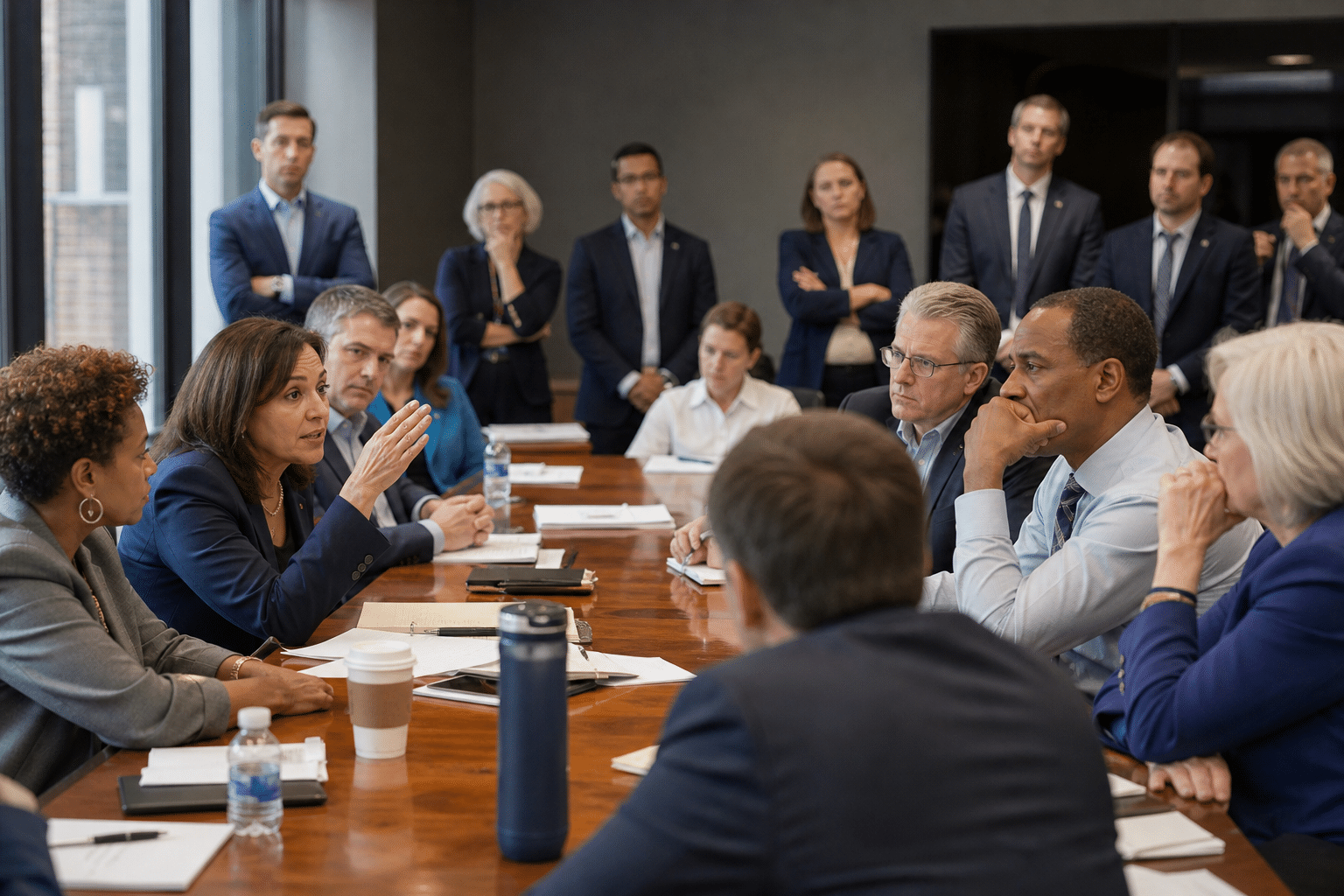
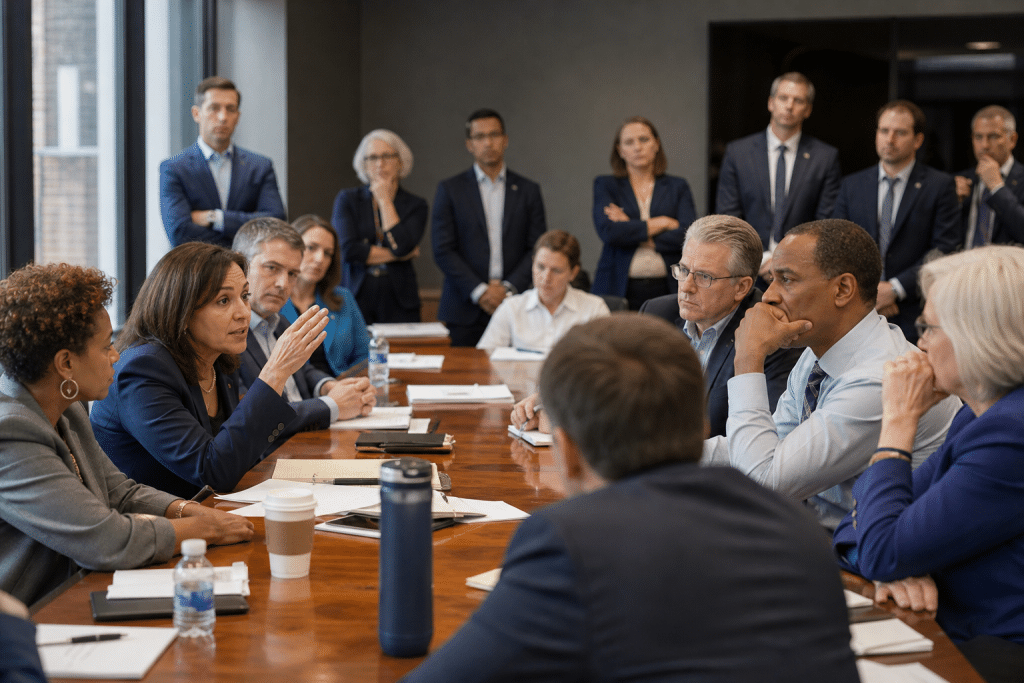
According to ABC News, Democratic midterm victories have brought a wide range of new voices into Congress and renewed debate over the party’s direction. The incoming group includes a progressive Muslim, a moderate Jew, a young seminarian and a former Republican Methodist pastor. While voters were clearly rejecting the Trump administration, the result has left competing Democratic wings offering different readings of what voters want next.
Representative Alexandria Ocasio-Cortez highlighted her role in the elections in a memo released on election day, pointing to her endorsement of Abdul El-Sayed in Michigan’s Senate race. El-Sayed’s win is seen by some as support for the progressive platform he took to voters, including universal healthcare, taxes on billionaires and corporations, and ending US military aid for Israel. The 42-year-old doctor was also supported by former president Barack Obama, who campaigned for him in late October.
Divisions were visible during the Michigan contest. Democratic representative Haley Stevens, whom El-Sayed defeated in the August primary, endorsed Republican Mike Rogers two days before the election after a public dispute over Israel. Elaine Kamarck, a senior fellow at the Brookings Institution and a former Clinton White House official, said the direction of that disagreement would depend on developments in Israel. She said the party’s far-left Democratic Socialist wing had not shown an ability to win in red districts and that moderates still held the balance of power.
New Democratic members will have to manage those differences while seeking to block the Trump administration’s agenda and investigate scandals and alleged corruption. Progressive groups and some incoming members have called for leadership change, including replacing Senate leader Chuck Schumer. Several successful Senate candidates in Michigan, Kansas, Illinois and Maine said before the election that they would not support him as leader. Kamarck said she expected Hakeem Jeffries to become the next speaker and Schumer to remain majority leader, arguing that opposition to Donald Trump would preserve party unity for now.