











Arabic version: احتجاجات أوروبا تكشف الضغط على الحكومات
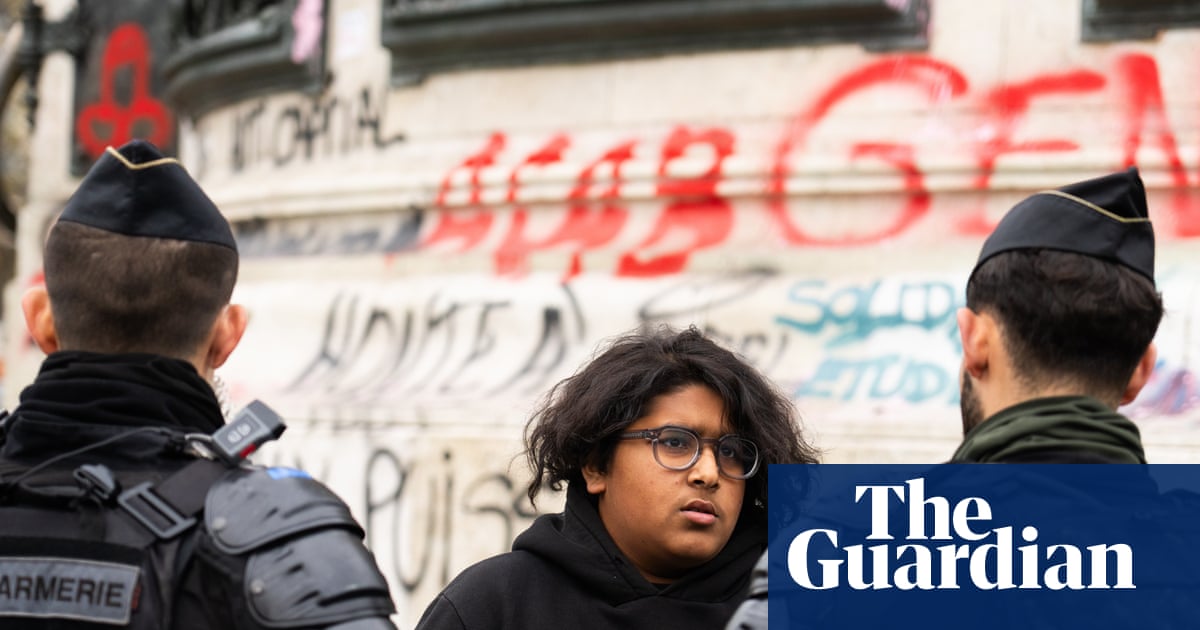
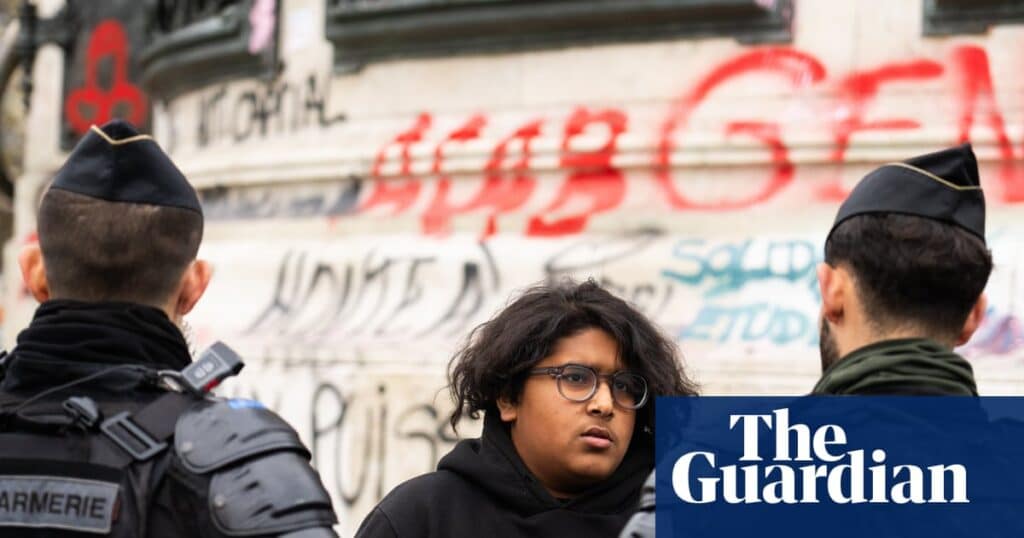
According to The Guardian, protests in France, Spain, Belgium, Italy, Portugal and Albania reflect anger over issues including housing costs, strained public services and social inequality. While attention has focused on violence on the fringes of demonstrations in France and Italy, protesters’ wider demands point to concerns that governments cannot, or will not, deliver affordable housing, opportunity and functioning services.
In France, piles of wheelie bins outside school entrances signalled student frustration over deteriorating classrooms and teacher shortages. About half a million people joined Saturday’s protests against the rising cost of living and declining public services. CGT union secretary general Sophie Binet condemned violence and said the mobilisation showed the depth of anger, arguing that the way out of the crisis was to respond to demands.
Elsewhere, housing campaigners camped in Lisbon’s Rossio Square under banners including “homeless generation” and “I just want a home to live in”. The action echoed protests in Porto, where housing prices more than doubled between 2015 and 2024, rising roughly twice as fast as the EU average. In Milan, demonstrators protested the cost of living and inequalities, while Albania has seen mass student demonstrations after protests initially prompted by a resort proposal backed by Donald Trump’s family.
Policy analyst Alberto Alemanno said the demonstrations have different causes and do not necessarily share political objectives, but their rapid spread suggests that many young Europeans doubt existing institutions can provide security, opportunity and a voice. Eurasia Group’s Mujtaba Rahman described a convergence of distinct national protest movements rather than one coordinated European campaign, warning that the gap between political demands and governments’ fiscal capacity could bring further discontent.
Alemanno said officials must protect peaceful demonstrators, hold those responsible for criminal acts accountable and address pressures including housing costs, insecure work, strained public services and an uncertain technological future. He said Europe’s democratic institutions would be judged by whether they can turn generational anger into tangible political change.