













Arabic version: الرئيس التنفيذي السابق لجمعية ماستر بيلدرز يروي تفاصيل المضايقات من اتحاد CFMEU
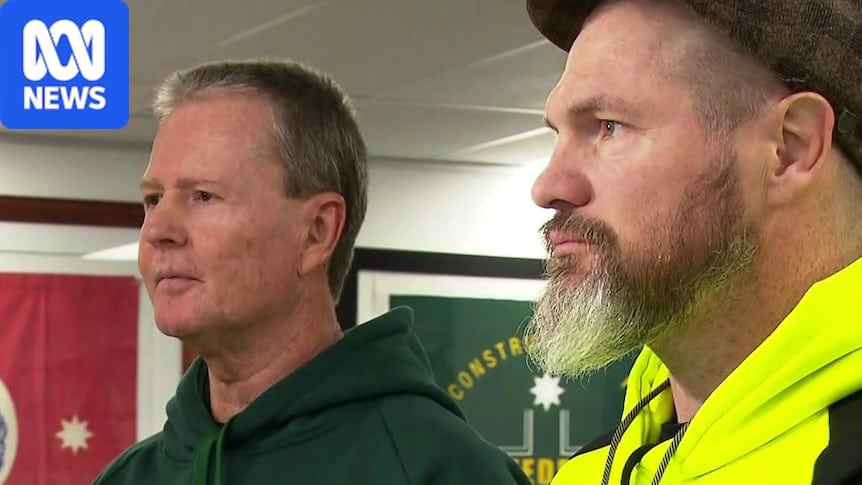
Grant Galvin, the former chief executive of Master Builders Queensland, told a commission of inquiry he was the target of a years-long campaign of sustained intimidation by the CFMEU that pushed him “to breaking point”. He said thousands of union members marched to his workplace in Brisbane and placed a coffin in a tree outside his office window, which he perceived as a death threat, and became emotional as he revealed he suffered a severe mental health crisis and attempted to take his own life. “I’m lucky I’m here today,” he said on the stand.
According to ABC News, this week’s public hearings focused on the CFMEU’s involvement in creating and implementing the former Labor government’s BPIC policy, which set wages and conditions on major state projects, including a month of rostered days off each year and double time in wet weather.
The inquiry also heard allegations from former state transport director-general Neil Scales that he was routinely “abused” by the union and that ousted CFMEU leader Michael Ravbar would tell him, “I’ve been talking to the f***ing premier [Annastacia Palaszczuk] and your minister [Mark Bailey] and they all agree you are the worst f***ing DG [director‑general] ever.” Mr Scales said he was told in 2023 that his contract would not be renewed and believes Mr Ravbar used influence with the premier and her staff to secure that outcome. New police body-worn vision shown to the inquiry was described as showing CFMEU members storming a state government building, knocking over a security guard and taking over a conference room where Mr Scales was due to attend an industry briefing.
The inquiry heard concerns that BPIC was imposed despite departmental and industry warnings, with Acciona regional director David Balmer calling the policy “nonsensical” and saying it reduced productivity and drove up construction costs “enormously”. Bureaucrats told the commission said they were instructed not to consult with industry stakeholders during BPIC negotiations and instead to meet regularly with the CFMEU. The probe also heard that some public servants were “traumatised” by union behaviour and lodged workplace compensation claims.
Why this matters: the testimony links alleged union pressure and the implementation of a state policy to disruptions on major taxpayer-funded projects, reported cost blowouts, and trauma among public servants, raising questions about policy process and governance. What happens next: public hearings will resume next month.
Related sections: Australia/استراليا | Australian Capital Territory | Queensland | General | Economy/اقتصاد