












Arabic version: نيو ساوث ويلز تسجل أول رصد حي لبتريل كيرغولين والبتريل الرمادي
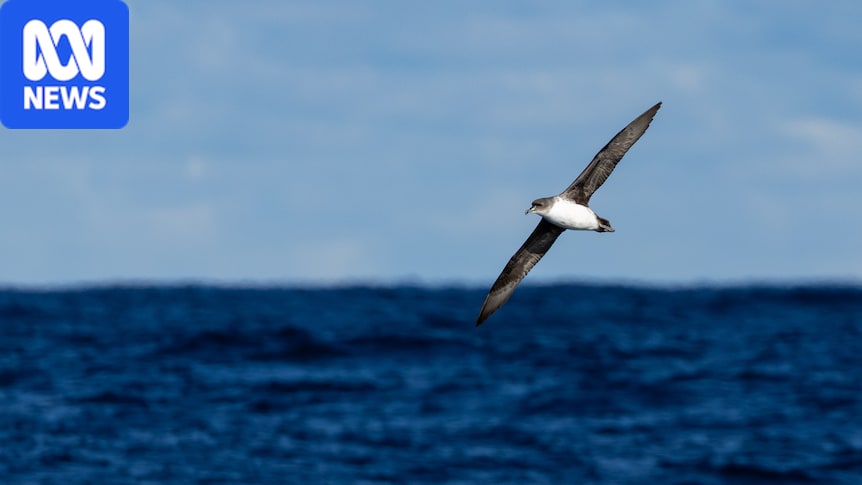
Wildlife photographer James Bennett has photographed two rare sub-Antarctic petrels off the New South Wales Mid North Coast, marking the first “live at sea” records of both species in NSW waters.
According to ABC News, Bennett captured images of a Kerguelen petrel and a grey petrel during a bird-spotting trip offshore from Port Macquarie in the past fortnight. Bennett said there were no signs of illness in the birds he photographed and described the sighting as unforgettable.
NSW Ornithological Records Appraisal Committee (NSW ORAC) records show earlier instances of each species found ashore: a grey petrel washed up at Ballina in 1985 and a single Kerguelen petrel was found ashore at Callala Bay in 2016, but neither species had previously been recorded “live at sea” in New South Wales. BirdLife Australia’s Mick Roderick, a member of NSW ORAC, called the recent live-at-sea sightings “irrefutable” and “stunningly rare.” The grey petrel was photographed flying over a pod of pilot whales.
Monash University ornithologist Rohan Clarke described the appearances as part of a broader “very rare event,” with relatively large numbers of cold‑water species being reported much farther north than usual. Other species recently sighted off NSW include blue petrels and light-mantled albatrosses, with some reports as far north as central Queensland. Dr Clarke and Mr Roderick said the southern visitors are likely Southern Ocean birds pushed north, probably because of reduced food availability.
The story also intersects with recent H5 bird flu detections in Australian seabirds. One of 17 detections so far in Australia was in a native bird species; the remaining detections have been in migratory seabirds, with giant petrels accounting for the majority, including a recent detection at Hawks Nest on the Mid North Coast. Experts say those detections and the live-at-sea sightings likely reflect different processes: some giant petrels are turning up unwell onshore, while the live southern visitors appear to have been displaced north rather than arriving sick.
Climate and ocean conditions are also being considered. Australian National University climatologist Janette Lindesay noted global ocean temperatures reached a record high in June, which can affect storm activity and conditions the birds encounter. Dr Clarke said the birds might move south again relatively quickly if conditions permit, and it remains unclear whether the event will have negative effects on the seabirds or whether these sub‑Antarctic species will become less rare in parts of Australia.
Related sections: Australia/استراليا | Western Australia | New South Wales | Queensland | Tasmania