









Arabic version: مناطق إغلاق مصانع فورد تعيد بناء نفسها بعد عقد
According to ABC News, Geelong and Broadmeadows are recording improved unemployment figures a decade after Ford’s Australian manufacturing plants closed, though former workers and local leaders describe uneven recovery across the two regions.
Ford’s Geelong and Broadmeadows factories once employed about 5,000 people at their peak. The company announced in 2013 that it would close the plants, after saying its Australian operations had lost more than $600 million over five years. The final car left the Broadmeadows production line on October 7, 2016.
Geelong’s unemployment rate fell from 6.5 per cent after the closure to 4.5 per cent, while Hume, which includes Broadmeadows, fell from 9.9 per cent at the end of 2016 to 6.4 per cent. Ford still employs about 1,000 people at its Geelong research facility, You Yangs testing grounds and Campbellfield site.
Former Geelong worker Tony Travers said he still missed the factory after 28 years with Ford. Henry Fuller, who worked there for 35 years, said the years leading to closure were difficult. Anthony Anderson, a 33-year Ford employee, helped colleagues prepare for new jobs, including through mock interviews for workers who had not applied for work in decades.
Geelong’s manufacturing sector has diversified. Sykes Rowing received $50,000 from the $29.5 million Geelong Region Innovation and Investment Fund, using the money for an engineering team and a rigger table now also used to make drone components. Mayor Stretch Kontelj said the city had diversified into health, education, tourism, major events, arts and culture, advanced manufacturing and agribusiness.
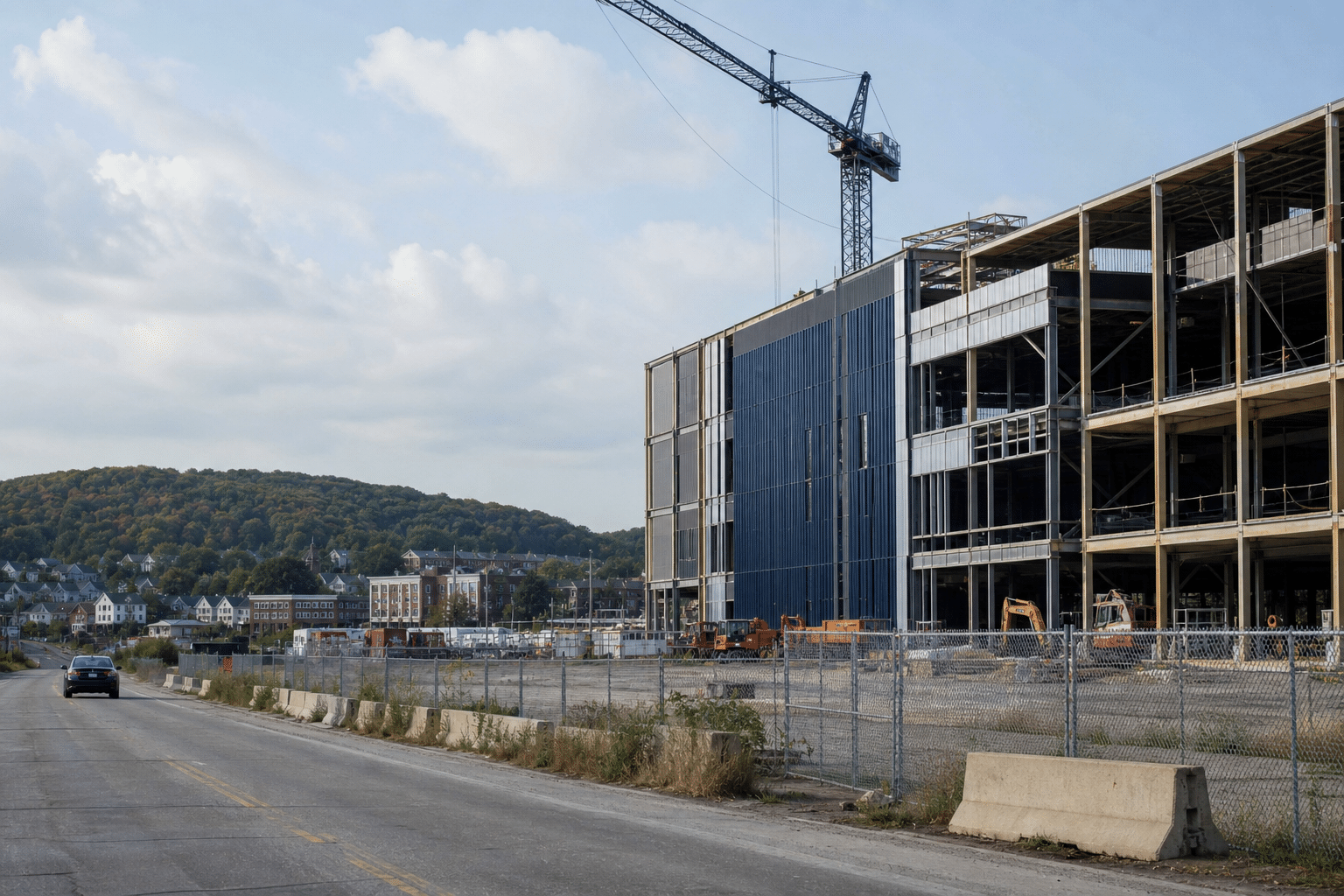
The former Geelong factory is a mixed-tenant industrial estate, while Singaporean firm Zerra DC wants to build a data centre at the former Broadmeadows site. Hume Mayor Carly Moore said development was important but questioned whether a data centre was the best use of valuable employment land. Australian Catholic University researcher Tom Barnes said Geelong had diversified successfully, while growth in Broadmeadows had not been as strong.