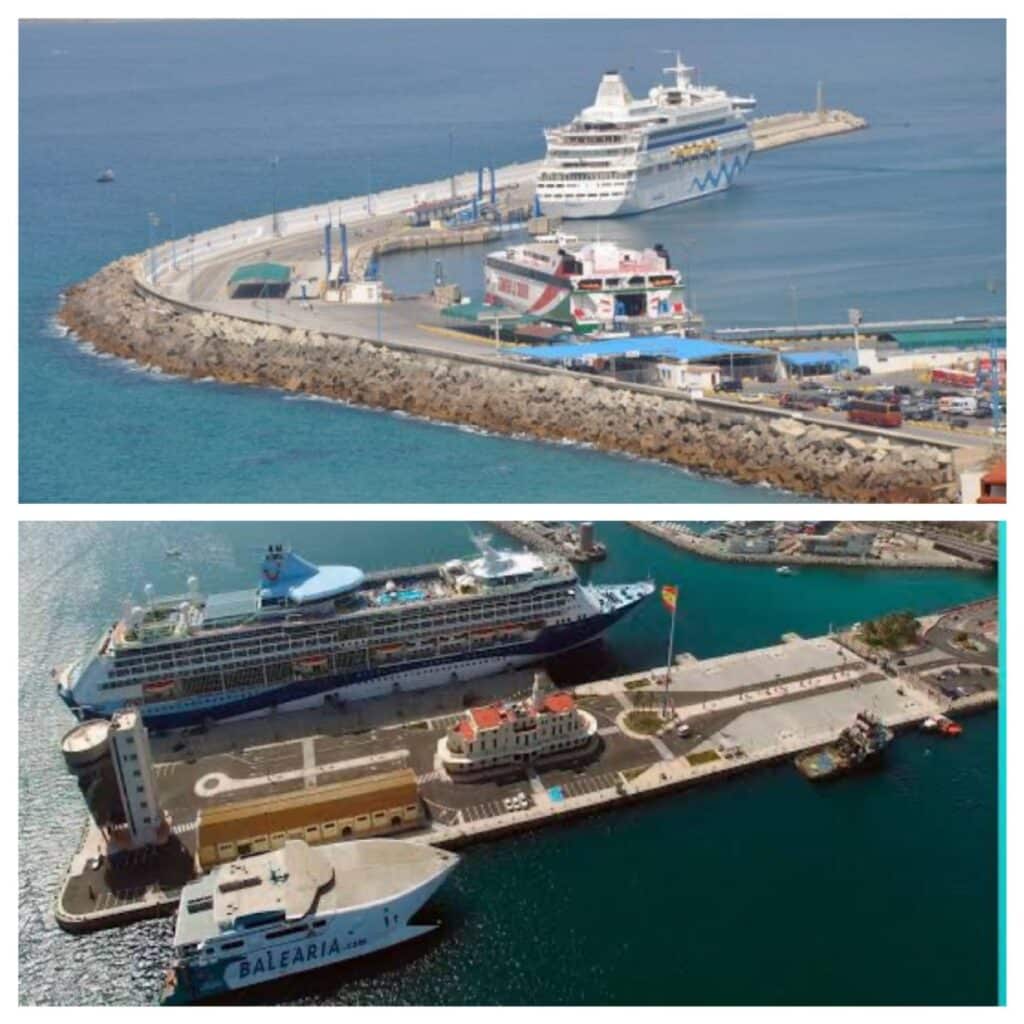
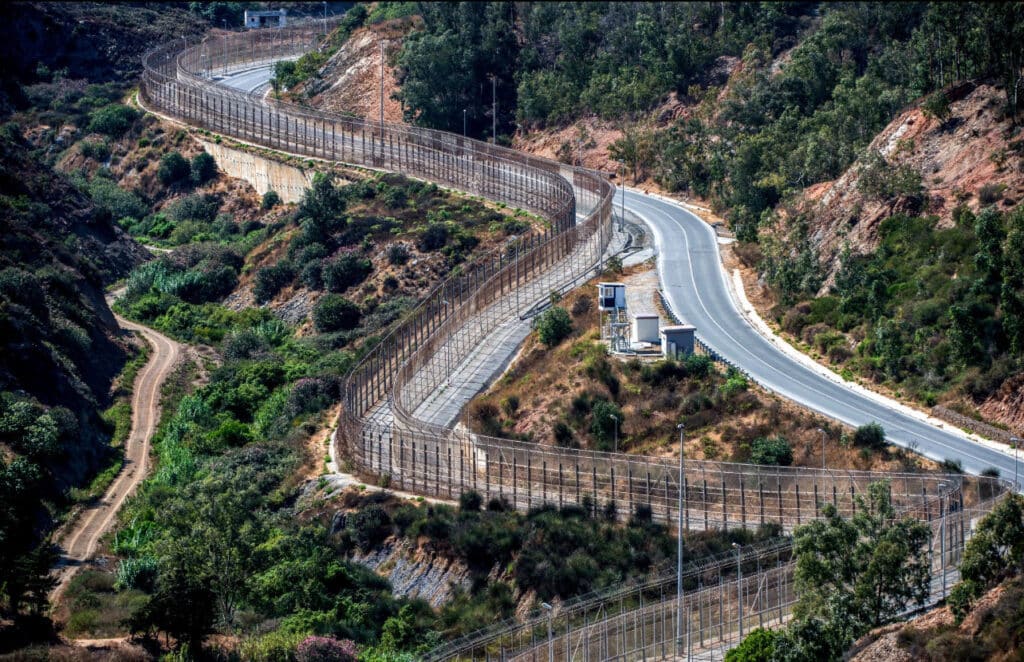
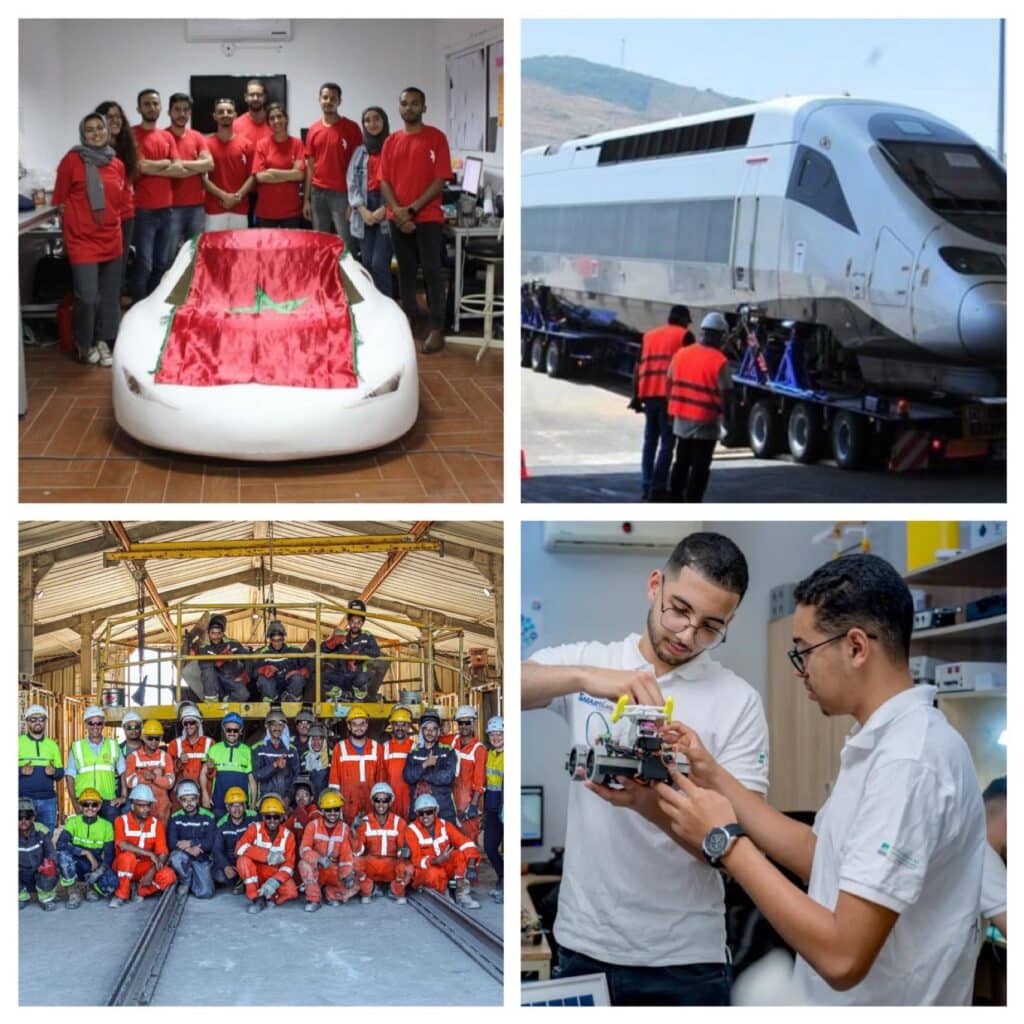
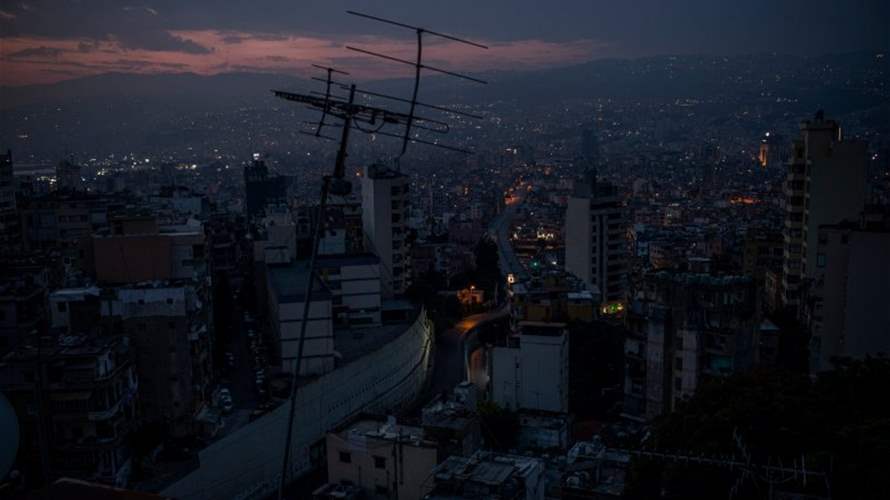
I am not writing about migration today because it has topped the headlines, but because I have lived it since the start of my journalism career.In 2003, when I joined the Moroccan newspaper Assabah, my first investigations took me far from offices and conference rooms. I spent hours, sometimes days, in the woods surrounding the port of Tangier, listening to young men and women hiding there as they waited for a chance to cross the sea.The forests were not the only witnesses to those postponed dreams; I also followed young people who roamed the streets of Ceuta and the port area, watching transport trucks and ferries, waiting for any opportunity that might carry them to the other shore.To me they were not just numbers in reports or fleeting statistics, but faces bearing fear, hope, confusion, and questions older than their years.Having grown up in Tetouan, Ceuta was part of the fabric of daily life. We grew up knowing the borders, knowing the crossers, and knowing how the city breathed to the rhythm of its relationship with the occupied enclave—before circumstances changed, policies shifted, and the borders became more complicated.Years later, I found myself covering one of the harshest chapters of this issue during mass crossing attempts by migrants from sub-Saharan Africa.In the autumn of 2005, the borders of Ceuta and Melilla returned to the forefront in one of the most brutal episodes in the history of migration to Europe. I was there in the heart of it, on a difficult night I did not watch from behind a screen, but documented with my own eyes the deeply complex human and security moments.It was a night where cries mixed with the sounds of clashes, and the images of those who were trapped between the two border fences remained a testimony to a tragedy that transcends geography and politics.I saw the aftermath of the clashes, bodies caught on the border fence, fatalities and wounded, and hundreds of injured being hurried away — a scene where human tragedy and security complexities were intertwined. Then I went to Sania Rmel Hospital, where I met a woman from sub-Saharan Africa who was giving birth under heavy security guard after being injured during a crossing attempt.After hesitating, she agreed to speak with me. She did not talk about borders, politics, or Europe. Instead, she told me about a long journey across several countries in search of a husband who had gone ahead to the other shore, and of a hope that, for her, was greater than her fear.I left that day realizing that migration is not just crossing borders, but a complex human story that begins years before reaching the sea.Today, more than twenty years later, I find myself witnessing the same scenes, even if the faces have changed, the circumstances shifted, and the political calculations become more complicated.But the question that accompanied me since my first field investigation remains the same: how does someone come to believe that the unknown is kinder than the reality they live in?What is happening today in Ceuta is no longer merely a border issue between Morocco and Spain. It has become a global event, covered by broadcasters, analyzed in the press, and interpreted through many political lenses.Moroccan youth have become part of narratives that go far beyond their true story.States have the right to protect their borders and the right to debate migration policies, but no one has the right to reduce an entire people to a single crisis or to turn the suffering of thousands of young people into material for fearmongering or political grandstanding.It was painful for many Moroccans to hear their country’s name repeated in some global media outlets in this way — not because we refuse to face the truth, but because we refuse to let the truth become a stereotype, and for a crisis to become an identity.At the same time, defending Morocco’s image is not done through denial, but through the courage to confront the questions.One cannot deny what Morocco has achieved in major projects, modern infrastructure, investments, and partnerships that have strengthened its regional and international presence. These are real gains that deserve recognition.But every development project remains incomplete if people do not feel they are part of it.Roads, ports, and industrial zones build an economy, while quality education, healthcare, job opportunities, territorial equity, and listening to young people build trust. Trust is what makes a young person think about building their future within their country, not searching for it across the sea.The solution to migration cannot be reduced to security measures alone, nor can the responsibility be placed on a single party for a complex issue that has stretched over decades. Migration intersects social, economic, and humanitarian factors and requires a comprehensive vision that makes preventing despair part of building the future—through investing in people, expanding opportunities, and listening to young people’s aspirations.Investing in people is not a luxury, nor a substitute for investing in infrastructure; it is the real guarantee of their success.Nations are not measured only by the projects they build, but also by what they give their citizens in terms of dignity, belonging, and the possibility to dream.Perhaps for this reason, the question today is no longer: how many people tried to cross?But the harder question has become:Why do some young people no longer see their homeland as the place where their dreams can begin?We believe Morocco is capable.Capable of protecting its borders, of strengthening its international standing, and of continuing its development path.But it will be stronger when it continues to invest in people with the same determination it invests in major projects, because they are not two parallel paths but a single road, neither complete without the other.In the end, this crisis may pass and disappear from the news bulletins, but what must not disappear is this question:How do we make our youth see Morocco as a space for dreaming, before leaving becomes the only dream?















 Years later, I found myself covering one of the harshest chapters of this issue during mass crossing attempts by migrants from sub-Saharan Africa.