













Arabic version: عائلات غزة تواجه عيد الأضحى بدون مواشي أو أمل
Gaza City — In her tent, where she has spent much of Israel’s genocidal war on Gaza, 68-year-old I’tidal Hamdan prepares for her third consecutive Eid al-Adha away from home. Hamdan had hoped to perform Hajj with her husband, who was killed in an Israeli strike last year. “Maybe I’ve been dreaming about it for more than 10 years,” she shared with Al Jazeera.
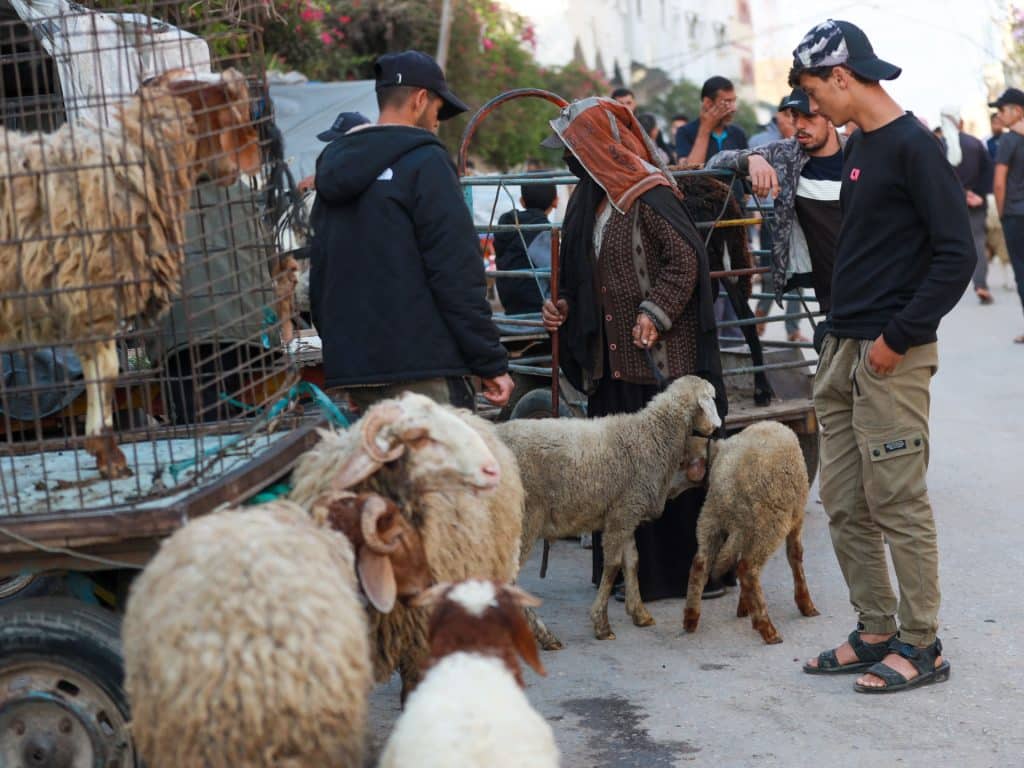
The Israeli siege has severely impacted the livestock sector in Gaza, with over 90 percent of livestock farms destroyed or damaged since the conflict began in October 2023. This year, the price of a sacrificial sheep has skyrocketed to around $16,000–17,000 shekels ($4,400–$4,700), making the traditional practice of animal sacrifice unattainable for most families. Emad Suhweil, a displaced father of five, lamented the loss of Eid traditions and the inability to afford even basic provisions.
The absence of livestock coupled with soaring prices has left families struggling to celebrate Eid al-Adha. Suhweil noted, “What is Eid al-Adha without sacrifices or Hajj? Today, people don’t even think about sacrifices … they can’t even afford two kilos of vegetables.”
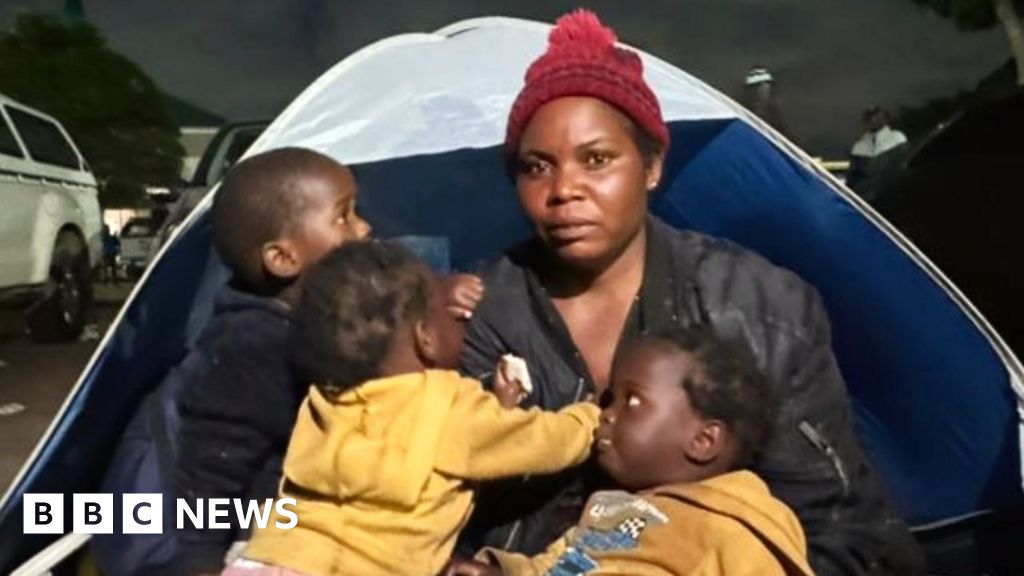
Displaced families like Hamdan’s are living in tents, unable to decorate homes or partake in communal feasts. Many express feelings of isolation and despair, as the joyous atmosphere of Eid has vanished. Fawzi Hamdan, reflecting on the changes over the past three years, stated, “We are besieged … we cannot go out or in, cannot perform Hajj, cannot receive treatment, cannot do anything normally.”
Despite these overwhelming challenges, some families cling to hope for a better future. Intisar Awda, a mother of ten, recalled the vibrant celebrations of the past and expressed a longing for peace. “We are displaced and suffering unbearable hardship … but we still hold onto hope despite all losses,” she said, wishing for a time when they could celebrate Eid without the shadow of war.