












Arabic version: مزارعو غزة يواجهون المخاطر والتحديات في إعادة بناء الزراعة
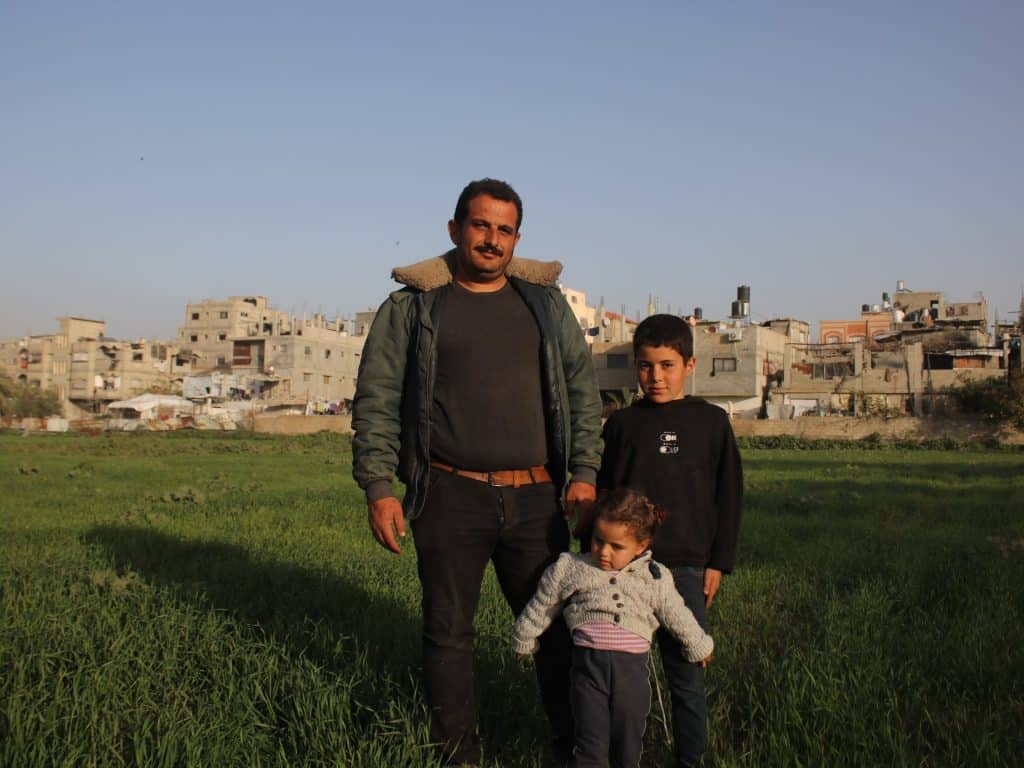
Farmers in Gaza are risking their lives to revive their fields following a ceasefire that began in October. Mohammed al-Slakhy and his family returned to their farm in the Zeitoun area of Gaza City after enduring more than two years of Israel’s genocidal war on Gaza. Despite ongoing Israeli attacks, they began clearing rubble and preparing the soil to plant courgettes, hoping for a spring harvest. However, they face significant dangers, including the presence of Israeli tanks and the risk of gunfire while working the land. According to Al Jazeera, the agricultural sector in Gaza has suffered extensive damage, with over 80 percent of cropland affected.
The Israeli military controls approximately 58 percent of the Gaza Strip, designating much of it as a security buffer zone. Mohammed has access to only one hectare of his 22 hectares of farmland, as the remaining land lies within this buffer zone. The dangers are evident, highlighted by an incident on February 12, when Israeli tanks opened fire near his location, resulting in casualties.
Eid al-Taaban, a 75-year-old farmer in Deir el-Balah, shares similar concerns. His agricultural land is also threatened by the expanding buffer zone, preventing him from harvesting crops. He expressed worry for his sons as they navigate the dangers associated with irrigation in the area.
The ongoing Israeli blockade poses additional challenges for Gaza’s farmers. Since October 7, 2023, the entry of essential agricultural supplies has been severely restricted, leading to shortages and skyrocketing prices. Even when farmers manage to acquire seeds and fertilizers, the quality is often compromised, resulting in crop failures. The economic conditions in Gaza further complicate matters, as local farmers struggle to find buyers for their produce amid competition from lower-priced Israeli goods. Many are forced to sell their harvests at a loss to avoid waste, exacerbating their financial struggles.