












Arabic version: آيسلندا ترفض استئناف محادثات الانضمام إلى الاتحاد الأوروبي
According to BBC News, Iceland has voted against resuming negotiations on joining the European Union, 13 years after the talks were put on hold. Public broadcaster RUV reported that 52.8% of 225,031 voters rejected the proposal, while 47.2% backed it, a margin of about 12,600 votes.
Turnout was 82.5%, the highest in any Icelandic election since 2009, RUV reported. About 270,000 people were eligible to vote in the island nation of almost 400,000 people. The ballot asked: “Should Iceland resume accession negotiations with the European Union?”
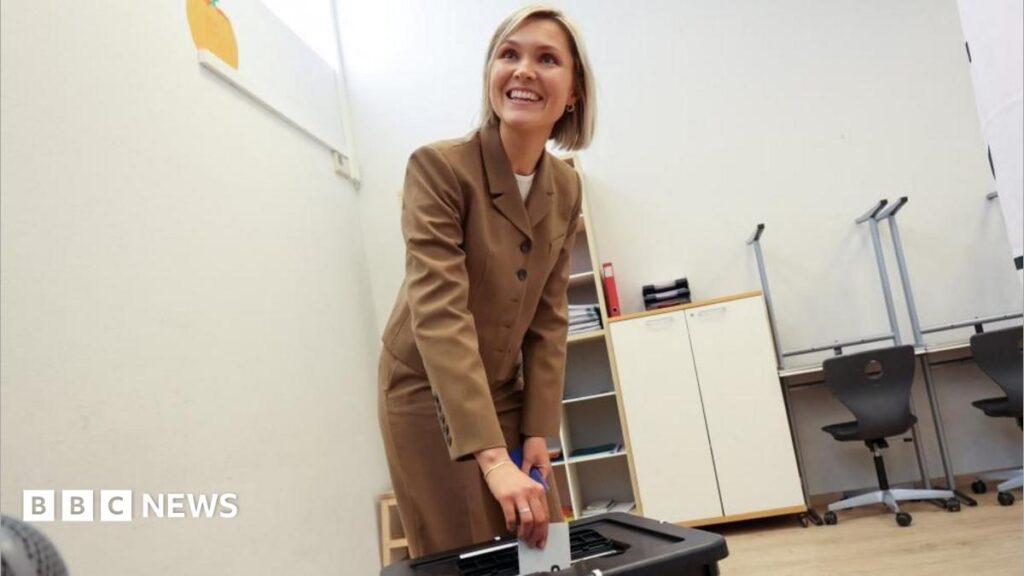
Prime Minister Kristrún Frostadóttir’s centre-left government had promised a referendum by 2027 but brought it forward because of international tensions, including US President Donald Trump’s threats against Greenland. Speaking after voting in Reykjavik, Kristrún said the campaign had prompted debate about Iceland’s place in the world and that her government would continue its work regardless of the outcome.
Economic issues, particularly fishing, dominated the campaign. Fish and marine industries account for almost 40% of Iceland’s exports, and many opponents feared that EU membership would mean giving up some control over profitable fishing grounds under the bloc’s common fisheries policy. Fishing rights were also the biggest obstacle when Iceland’s application was previously being considered.
Iceland applied to join the EU in 2009 following the financial crisis and the collapse of its banking system. Negotiations were well advanced before a eurosceptic government took power in 2013 and suspended them. Iceland is already part of the EU single market and the Schengen border-free zone; membership would bring it into the customs union and eventually the euro. A Yes vote would not have meant immediate membership, as any accession agreement would still have required approval in a second referendum. The No vote does not rule out future talks.