
Arabic version: تحقيق يدعو إلى قواعد أشد صرامة لمحطات تحويل النفايات إلى طاقة في ملبورن
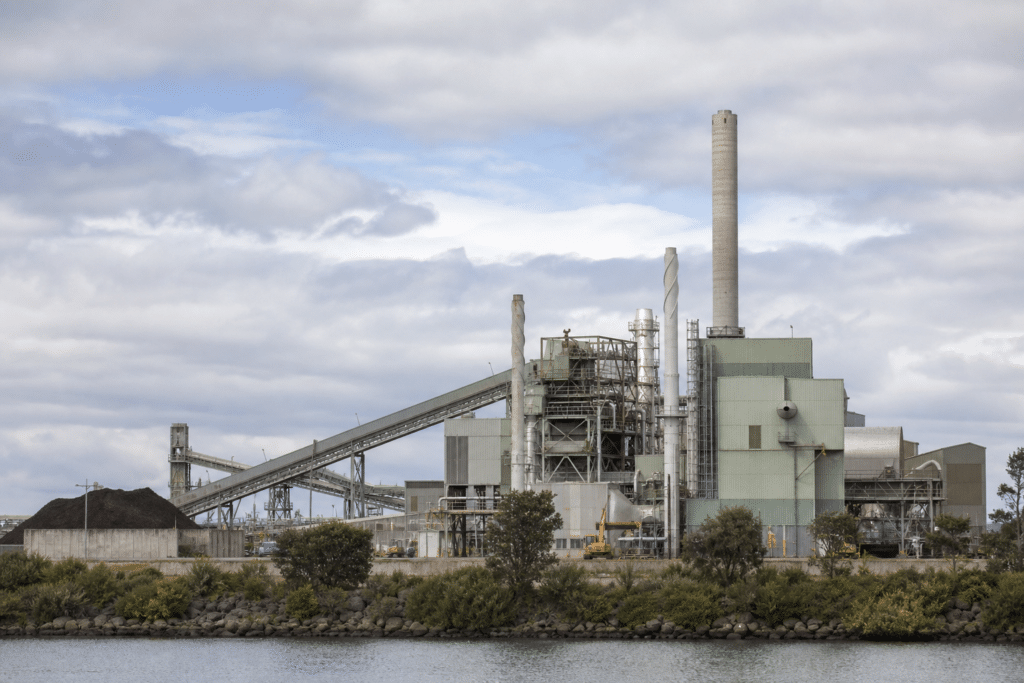
According to ABC News, a Victorian parliamentary inquiry has recommended tougher regulation of waste-to-energy facilities, including continuous emissions monitoring, a review of approvals and contributions from operators toward local road upkeep.
The inquiry made 33 recommendations after hearing concerns from outer Melbourne communities about health and safety, facilities’ proximity to homes, and increased truck traffic. Victoria has 11 waste-to-energy licences progressing toward final approval, including projects at Sunbury, Wollert, Laverton and Dandenong.
The committee said waste-to-energy, which burns rubbish to produce heat for grid power, should be a lower-order option for waste that cannot be avoided, reused, recycled or composted. It found Victoria generated 5.7 million tonnes of residual waste, with about 69 per cent recovered for other uses, and forecast total waste generation of 8.9 million tonnes by 2053.
The report found disagreement over whether available evidence establishes that emissions cause adverse health outcomes. It called for independent community health surveillance, clear information on potential health risks and details of how buffers between homes and facilities are determined. Victoria’s Environment Protection Authority has no minimum buffer distance, assessing proposals case by case.
Legalise Cannabis MP David Ettershank said the report did not go far enough, calling for minimum buffer distances and environmental effects statements for new facilities. The Waste Management and Resource Recovery Association of Australia welcomed the findings and supported mandatory product stewardship schemes. The Liberals and Nationals said they supported waste-to-energy in principle but that location was “everything”.