












Arabic version: يعاني الإيرانيون من صراعات يومية تحت ضربات أمريكية إسرائيلية مكثفة
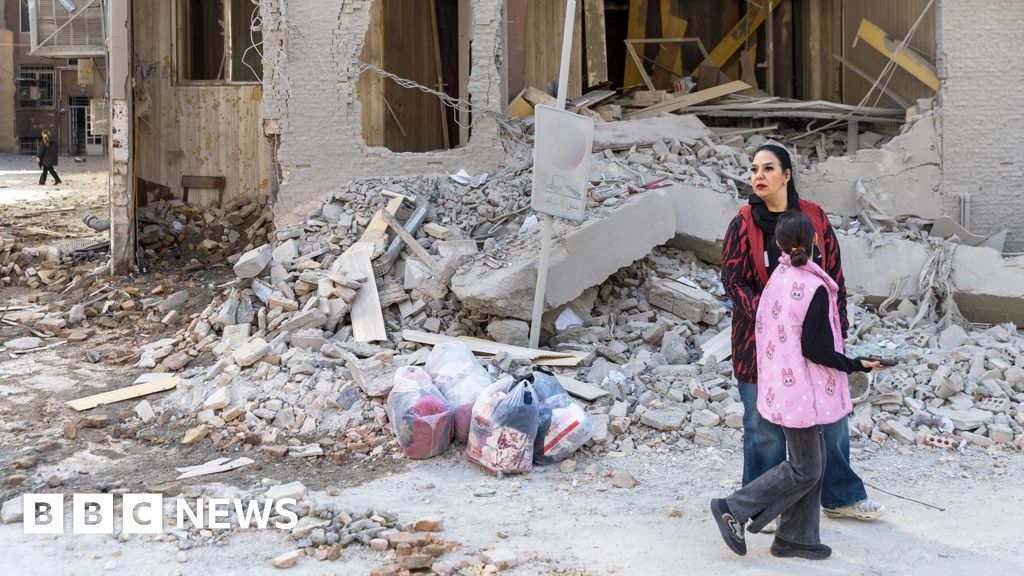
Life in Iran has drastically changed since the commencement of US and Israeli airstrikes on 28 February, which target military and political sites to weaken the Islamic regime. According to BBC News, the strikes have led to significant civilian casualties, with more than 1,100 Iranian civilians reportedly killed since hostilities began.
Residents of Tehran describe their experiences as harrowing, with one individual, referred to as Salar, stating that the volume of attacks makes each day feel like a month. The situation has worsened considerably since the first wave of strikes, which resulted in the death of Iran’s Supreme Leader Ayatollah Ali Khamenei. Many locals have expressed fear for their families and a sense of uncertainty about the future.
As the airstrikes continue, Iranians are largely confined to their homes, venturing out only for essential supplies. Reports indicate that security forces have heightened their presence in the streets, establishing numerous checkpoints in response to potential dissent following the leader’s death. The atmosphere in Tehran has transformed, with many shops closed and long lines forming for basic necessities such as bread and fuel.
Internet blackouts have further complicated communication for residents, making it challenging to stay connected with loved ones or access reliable news. Individuals like Kaveh, a resident of Zanjan, have resorted to using Virtual Private Networks (VPNs) to bypass government-imposed restrictions, highlighting the struggle to maintain contact during this tumultuous period.
The overall sentiment among Iranians remains mixed, with some expressing hope for a brighter future despite the ongoing violence. As the conflict unfolds, many citizens are left grappling with the impact of these strikes on their lives and the uncertain road ahead.