












Arabic version: قادة إيران يشيرون إلى موقف صارم بشأن المفاوضات مع الولايات المتحدة
Iran’s authorities and state media project that they are less interested than before the war in negotiations with the United States if they go beyond their accepted terms, as mediated talks failed to materialise in Pakistan. Foreign Minister Abbas Araghchi met senior Pakistani officials in Islamabad on Saturday and left for Oman, to be later bound for Russia. The top diplomat, who was not joined by Parliament Speaker Mohammad Bagher Ghalibaf like in a previous round of negotiations earlier this month, said he was “yet to see if the US is truly serious about diplomacy.” According to Al Jazeera, Araghchi’s delegation did not include Parliament Speaker Mohammad Bagher Ghalibaf, who participated in earlier negotiations.
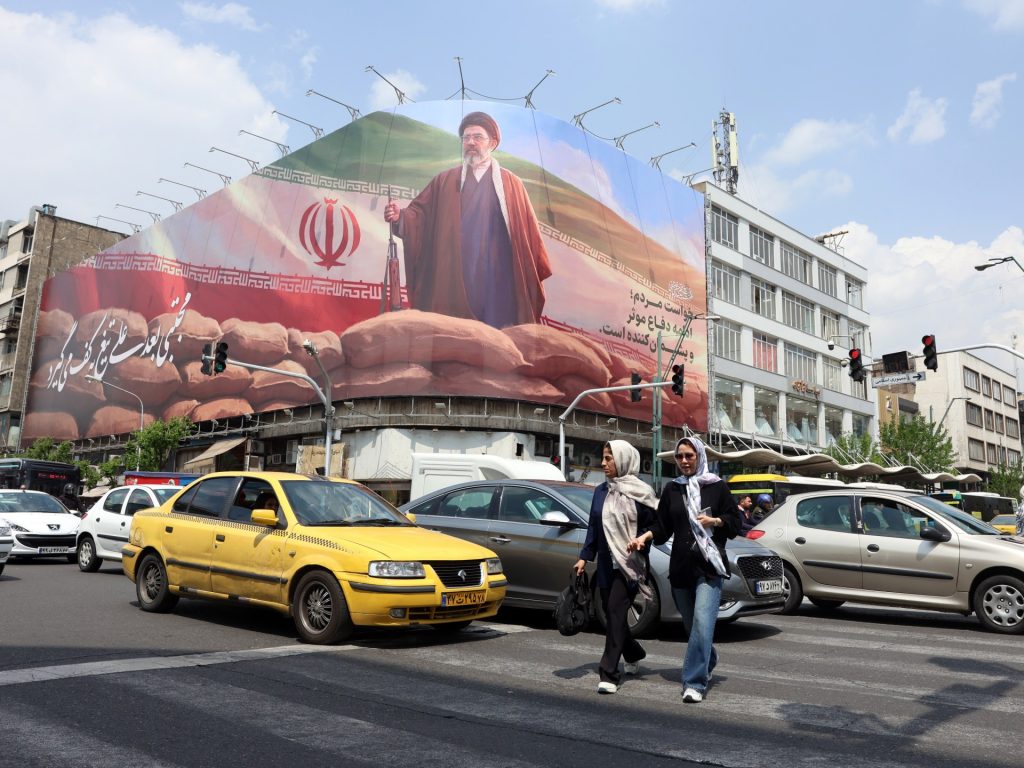
US President Donald Trump has placed the onus on Iran’s leadership, asserting that they possess no leverage in the situation. He claimed that internal divisions exist within Iran’s leadership, stating, “If they want to talk, all they have to do is call!!!” This follows a state-imposed near-total internet shutdown in Iran, nearing two months. Iranian officials have responded by emphasising unity against any concessions to Trump, with military and governmental authorities echoing a message of solidarity.
The Khatam al-Anbiya Central Headquarters of the Islamic Revolutionary Guard Corps (IRGC) said on Saturday afternoon that armed forces would retaliate against the US if it continues its “blockade, banditry and piracy” in Iran’s southern waters. A recent statement from the IRGC indicated their preparedness to respond to any aggression. Additionally, Iranian state media reported that more than 30 million people – a third of Iran’s total population – have registered in a state-run campaign to express readiness to “sacrifice” their lives if necessary, but they have not provided any documentation to prove this.
While Iranian officials have called for public unity, there are still factions within the country expressing opposition to potential negotiations with former reformist leaders. The judiciary has continued its crackdown on dissent, recently executing an individual linked to protests, which underscores the regime’s hardline approach in these turbulent times.
Iranian media has also indicated that the US naval blockade is undermining the ceasefire extended by Trump and allowing the more hardline voices in Tehran to come out on top. As discussions on the nuclear issue remain off the table for Iran, officials assert that any negotiations should focus solely on ending the conflict, dismissing American demands as attempts to undermine the nation’s sovereignty.