











Arabic version: نزاع حول مصنع لإعادة التدوير في موس فالي يسلّط الضوء على فئران المختبر
According to ABC News, the welfare of laboratory mice has become a central issue in a Land and Environment Court challenge over a proposed plastics recycling factory in Moss Vale, in the NSW Southern Highlands. Developer RePoly is seeking to overturn the Independent Planning Commission’s rejection of the project after a 10-day hearing. The court has reserved its decision.
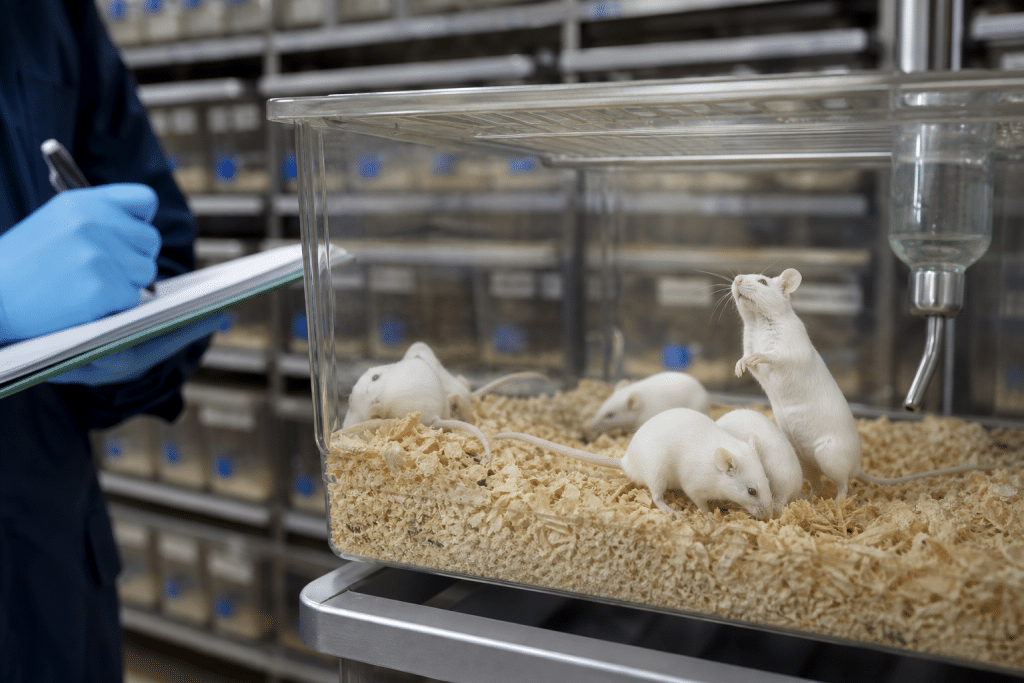
The nearby Garvan Institute Australian BioResources facility breeds specialised mice for research into diseases including cancer, diabetes and heart disease. Its barrister, Bora Kaplan SC, told the court that potential smoke from recycling operations and vibrations from truck movements needed to be assessed. He said the microinjection process used on mice was “extremely sensitive to vibrations” and argued the applicant had not provided credible information for the court to assess likely impacts.
Mr Kaplan said adverse effects could threaten the facility’s future, including possible suspension of accreditation and withdrawal of its supplier’s licence and ability to conduct animal-based research. RePoly’s barrister, Nick Eastman SC, said it had not been possible to measure a vibration limit for the health or comfort of mice in their pavilion. He argued the factory’s environmental effects could be managed through strict approval conditions.
RePoly acknowledged that an uncontrolled fire sending smoke towards Australian BioResources and requiring an evacuation of more than two days would have dire consequences, while disputing the likelihood of that outcome. The Independent Planning Commission said assessments had gaps involving noise, traffic, lighting and other environmental impacts. Its barrister, Naomi Sharp SC, questioned modelling that assumed trucks travelled at five kilometres an hour without accounting for braking or acceleration on graded roads. The factory is expected to produce at least 100 heavy-vehicle movements each day, limited to weekday daytime deliveries and collections.
The court also heard that the long-running proposal had affected community trust. More than 500 people gathered at the appeal hearing, while community representative Turvey To SC said residents did not believe their concerns were being heard or taken seriously. RePoly maintains the factory is permissible industrial development whose environmental and social impacts can be controlled through safeguards.