











Arabic version: ظهور فضائح جديدة في العلاقات الأمريكية الإسرائيلية بشأن أمريكا اللاتينية
In late April, the Hondurasgate platform and the Spanish media outlet Canal Red began leaking incriminating audios regarding recent machinations by the United States and Israel in Latin America. One batch of audios, for example, indicates that Israel financed the release from prison of former Honduran President Juan Orlando Hernandez, who was serving a 45-year sentence in the US for drug trafficking and other transgressions. Hernandez will now play a key role in carrying out US-Israeli military and economic designs in the region. According to Al Jazeera, the scandal has received scant attention from Western corporate media, even as Spanish-language outlets report on it.
The lack of coverage may stem from the US and Israel’s extensive history of controversial actions in Latin America, which includes supporting right-wing dictators and training death squads. Additionally, the world may be desensitized to such revelations, with many feeling that current events have reached a level of normalization that renders shocking news less impactful.
The situation is further complicated by the ongoing genocide in the Gaza Strip, which proceeds apace with US backing, in spite of an alleged “ceasefire” and which has officially killed nearly 73,000 Palestinians. Earlier this year, an Al Jazeera Arabic investigation revealed that thousands of Palestinians had been “evaporated” in Gaza thanks to Israel’s arsenal of US-manufactured thermal and thermobaric munitions that “vaporise” human bodies.
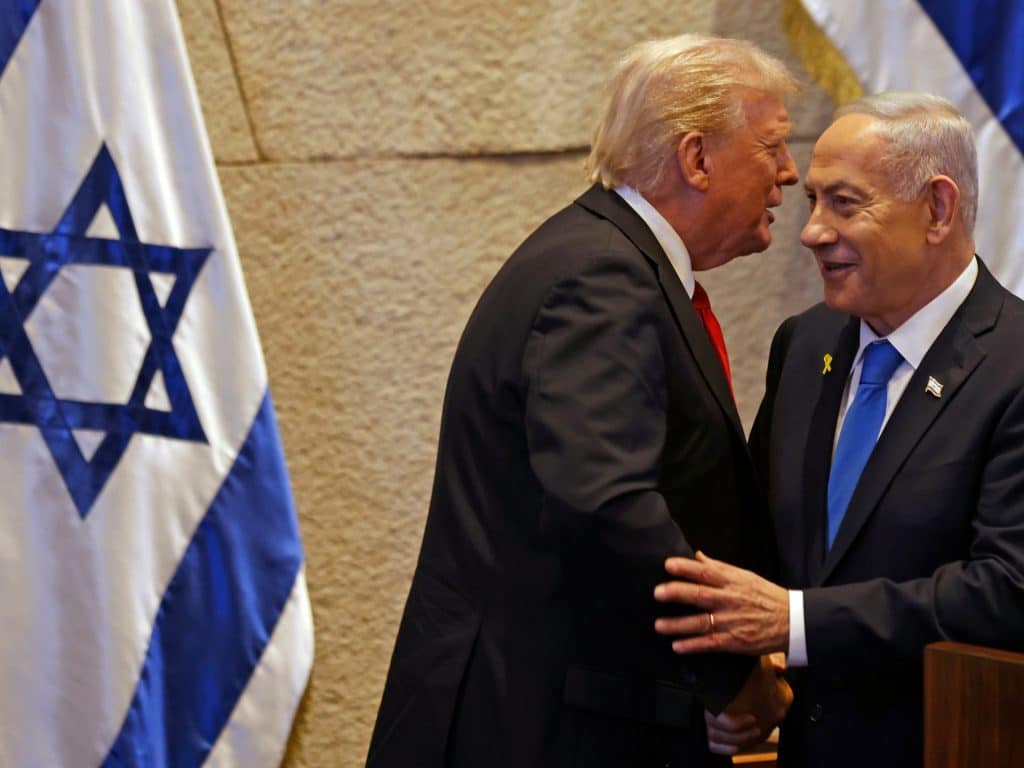
In this climate of scandal, the actions of both US President Donald Trump and Israeli Prime Minister Benjamin Netanyahu seem to contribute to a sense of impunity. Trump’s recent social media activities, including bizarre rants about military actions against Iran, exemplify a troubling trend where outrageous statements and actions overshadow significant political issues. As scandals continue to proliferate, the normalization of such behavior raises questions about the political landscape and the public’s response.