












Arabic version: تمت مطالبة وكالة الصحة في نيو ساوث ويلز بتعويض عامل عن التمييز بسبب الإعاقة
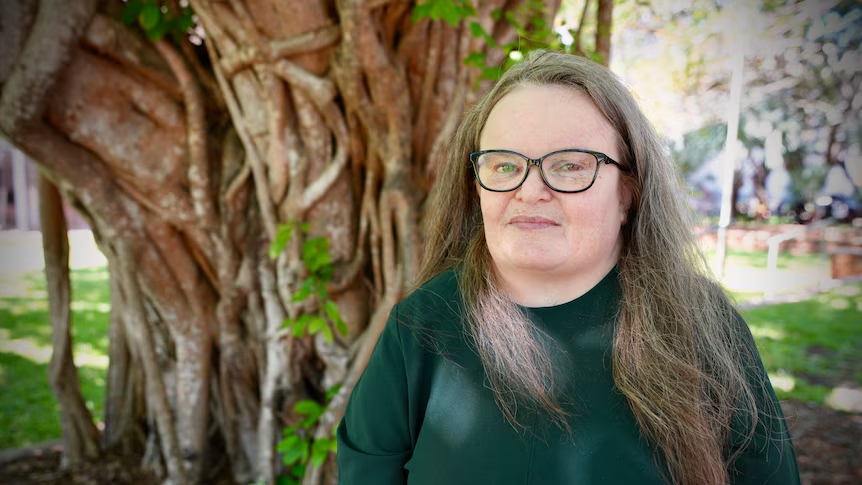
A New South Wales Health agency has been ordered to pay $55,000 in damages to Soneva Donald-Stanton, an administrative officer, after a tribunal found that she was discriminated against due to her disability. According to ABC News, the Civil and Administrative Tribunal determined that Donald-Stanton was subjected to an intrusive medical assessment against her wishes, which caused her significant distress.
Donald-Stanton, who has a musculoskeletal condition known as Klippel Feil syndrome, reported that her disability had never hindered her work performance during her 14 years in administration. However, after joining the Aboriginal Health Strategy department at Western Sydney Local Health District (WSLHD) in December 2021, she became concerned about the treatment she received from management. Despite not seeking any assistance, she was referred for a workstation assessment and medical evaluation after her manager expressed concerns about her physical limitations.
The medical assessment, which lasted four hours, was described by Donald-Stanton as “very intrusive” and left her feeling violated. It included a physical examination and a cognitive test, which she found insulting. Following the assessment, she was declared unfit for work and placed on leave after being informed that workplace accommodations could not be made.
The tribunal ruled in April that WSLHD had discriminated against Donald-Stanton, noting that her manager failed to provide valid reasons for the perceived risks to her health and safety. The tribunal emphasized that Donald-Stanton’s disabilities played a significant role in her treatment at work. WSLHD has been ordered to apologize and provide disability discrimination training to its managers.
Donald-Stanton expressed that the outcome is an important victory for the disability community, highlighting the need for a shift in how employers perceive and treat employees with disabilities. She stated that the case serves as a reminder that individuals with disabilities should not be judged by their appearance and that they are capable of understanding their own needs in the workplace.