











Reading in English | Read in العربية (Arabic)
JUBA – Two young South Sudanese delegates heading to COP31 are urging the government to protect schools from flooding, ensure children know where to seek shelter and involve them in emergency planning before disaster strikes.
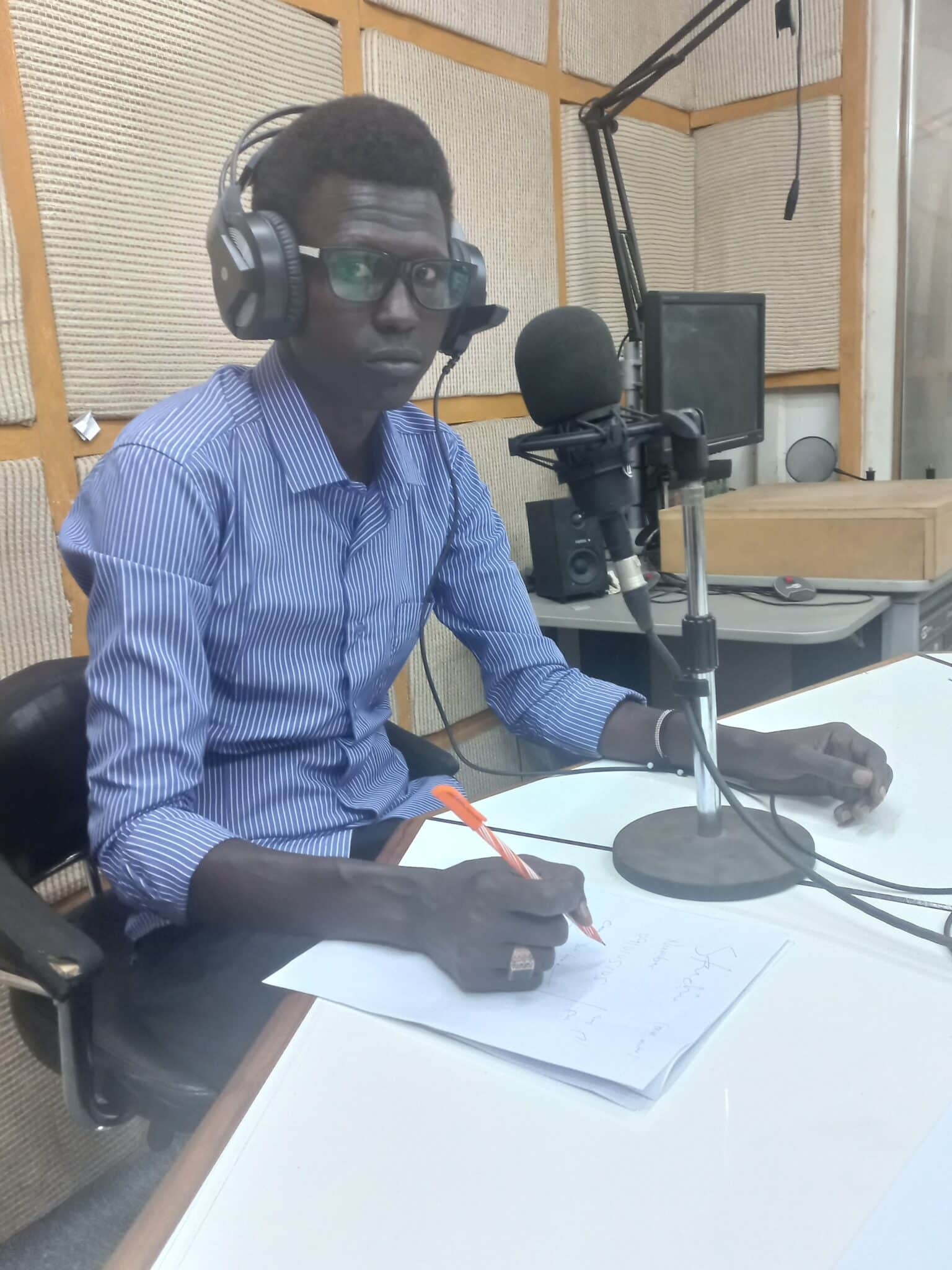
Speaking on the Miraya Breakfast Show, Angeth Ker Deng and Amoko Ronny said they would carry those demands to the United Nations climate talks in Antalya, Türkiye.
Their priorities reflect a declaration developed by children during a pre-COP31 simulation workshop facilitated by Save the Children South Sudan in Juba. It calls for continued access to education, food, clean water and healthcare when floods or drought disrupt essential services.
Angeth, an advocate for girls’ rights, warned that the consequences of climate disasters can extend far beyond the immediate emergency. When flooding forces schools to close, she said, girls can face greater pressure to marry early, putting their education and future opportunities at risk.
“It’s about lives. It’s about our future,” she said.
Ronny described how flooding had affected his community and how heatwaves had kept children out of classrooms.
He pointed to the example of a child in Maban whose family relies on farming. If floods destroy the crops, he said, that child needs more than a safe place to stay: they also need food and a way to continue learning.
He questioned the value of early warnings that fail to reach children. Schools could help communicate alerts, he said, but warnings must be accompanied by clear information about where to find safety.
“Because when some of these things happen, children don’t know where to go,” Ronny said.
Angeth said children should be involved from the outset in developing flood response plans, “because no one is a better advocate than the person experiencing the reality themselves.”
Both delegates called for greater funding to help communities prepare for disasters and recover from their effects.
Ronny said young South Sudanese already had ideas for local action, including a project to teach children how to keep their surroundings clean, but struggled to secure funding and partners. He urged officials to work directly with communities on projects that deliver lasting benefits.
“There are a lot of climate departments in offices, but we are not seeing the impact on the ground,” he said.
Angeth also urged South Sudan’s government to press high-emitting countries to take responsibility for their contribution to climate change.
She called on news organisations to follow up on commitments made at COP31, helping the public assess whether leaders’ promises translate into action after the talks end.