












Arabic version: قفزة في صندوق ناقلات النفط مع ارتفاع أسعار الشحن بسبب اضطرابات الملاحة
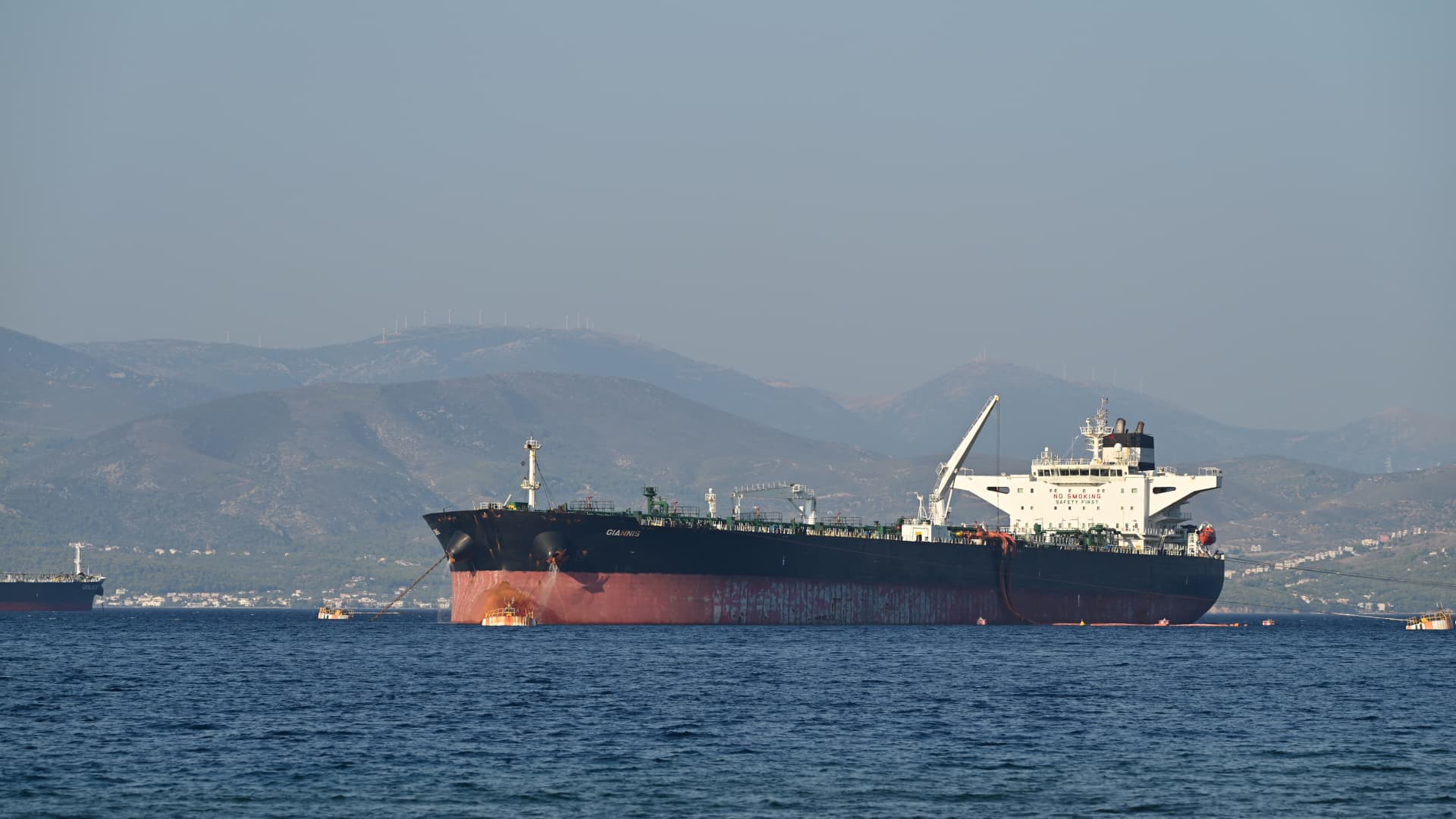
According to Cnbc, the Breakwave Tanker Shipping ETF, or BWET, was up roughly 3,600% year to date as of early September, based on Morningstar data through Sept. 11. The fund, which tracks the future cost of transporting crude oil, was the best-performing non-levered U.S. fund as the U.S.-Iran conflict squeezed tanker traffic through the Strait of Hormuz.
BWET is the only ETF designed to provide exposure to oil tanker futures without investors trading futures directly. John Murillo, chief business officer at B2BROKER, said its performance depends mainly on geopolitics rather than crude prices or oil volumes. Rates on the Middle East tanker routes tracked by the fund were up close to 500% year over year, according to BWET’s Sept. 8 biweekly tanker report.
Shipping disruptions have pushed companies to avoid affected regions, lengthening routes and raising costs. Project44 recorded 140,276 shipping disruptions this year, defining a disruption as a vessel diversion. The firm said disruptions peaked above 9,000 a week during the crisis, compared with average geopolitical shipping disruptions of about 1,000 a week before the Iran war, and remained twice as high as before the conflict.
Additional pressure has come from the Houthis taking control of Yemen’s seaport of Mocka, Saudi Arabia’s precautionary shutdown of its East-West crude oil pipeline after drone attacks, tariff-related route changes, and drought-related low water levels affecting ports in Panama and Europe. Kyle Peacock of Peacock Tariff Consulting said limited vessel availability has enabled carriers to charge far higher prices, while customers compete for space.
The sharp gains also underline BWET’s risks. Murillo said restrictions on shipping lanes, vessel shortages, war-related premiums and insurance spikes can prove temporary, while freight markets are volatile. BWET said increased vessel ordering could eventually create a longer-term supply-demand imbalance and an industry downcycle. Peacock estimated that 200 or more vessels are under construction and said relief from new capacity could take 18 to 36 months.