











Arabic version: حماة السحلبيات في تسمانيا يرشدون المصورين
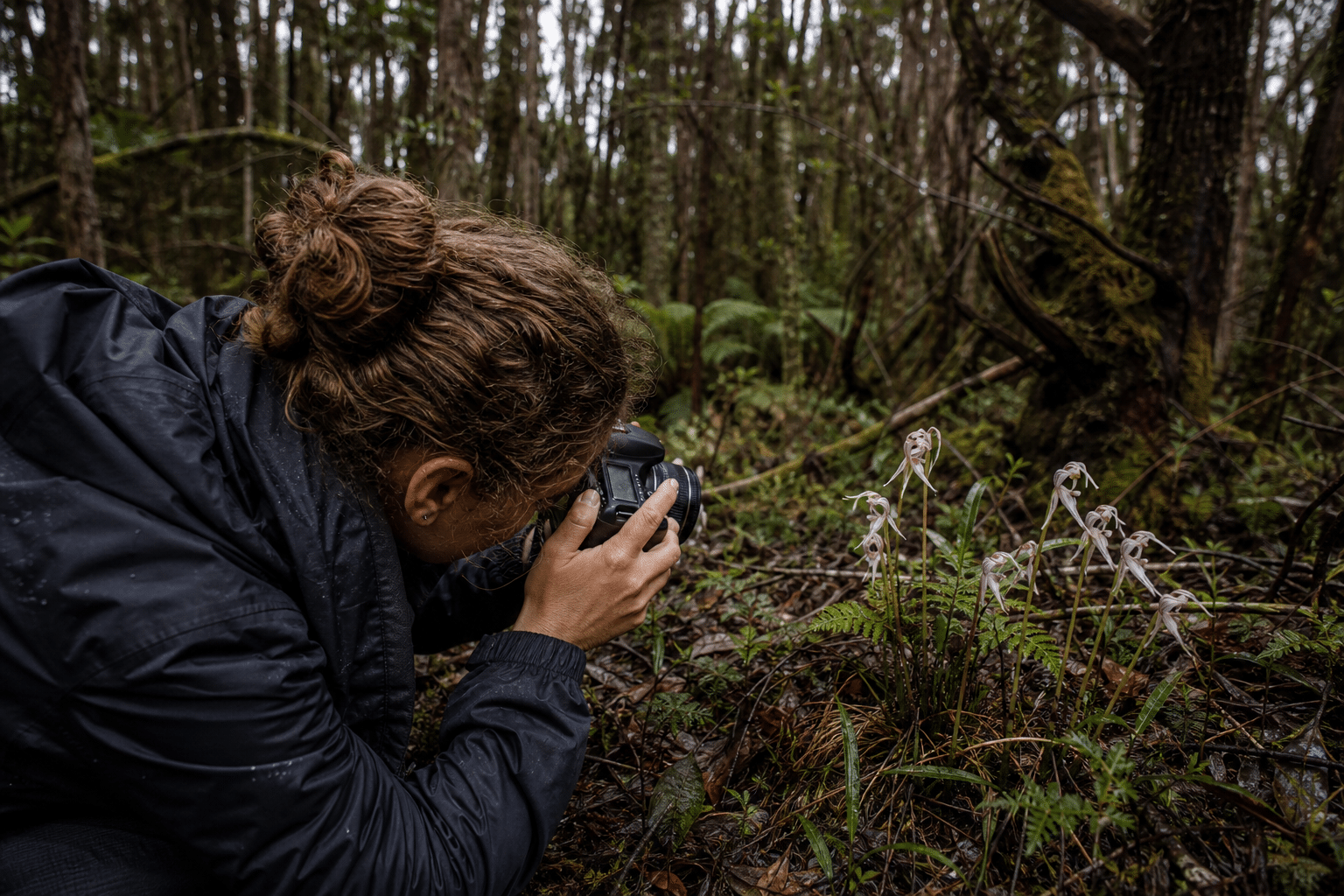
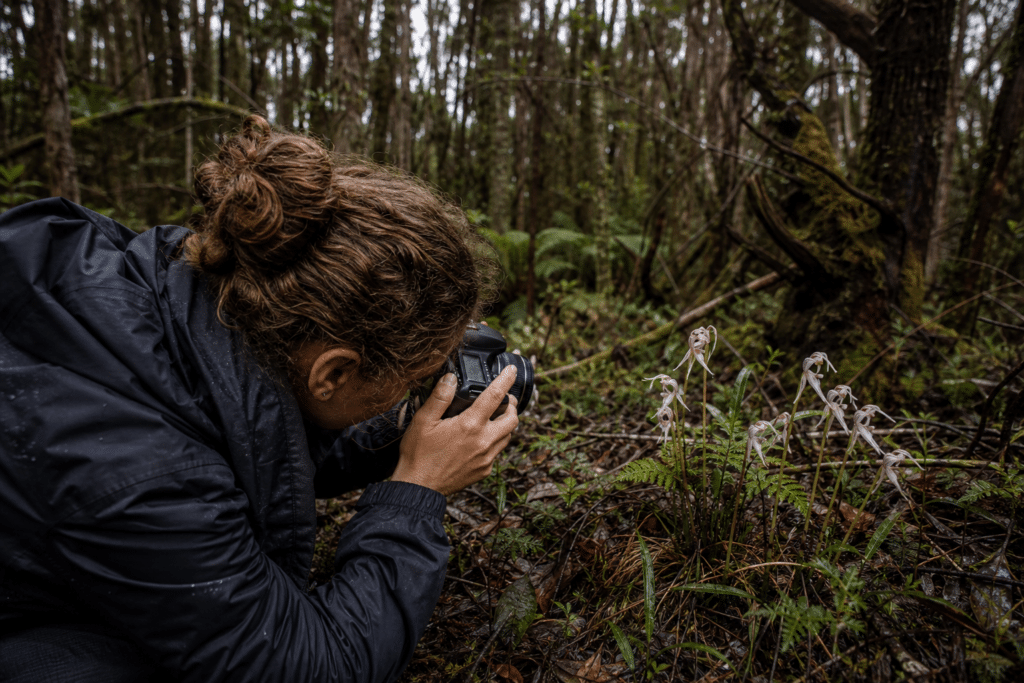
According to ABC News, the Landscape Recovery Foundation is helping photographers understand how to minimise their impact while photographing Tasmania’s native orchids, including threatened species.
More than 200 orchid species have been recorded in Tasmania, with 77 listed as threatened under state legislation. Most threatened populations occur in dry forests and woodlands, grasslands and coastal areas that have experienced significant loss and modification since colonisation, according to the state and federal governments’ flora recovery plan.
Foundation chief executive Josie Kelman said orchids could be difficult to find but offered “a special discovery”. Magali Wright said a major threat was the cumulative effect of visitation, rather than a single visit, and said social media could contribute when photos draw people to the same places. The foundation recently held a photography workshop to explain potential environmental impacts.
The organisation is also propagating threatened orchids. It has worked for eight years to grow the critically endangered golfers leek orchid, known from two sites in the Tasmanian midlands. The species needs colonisation by a fungus to germinate and grow, and seedlings are being raised for planting in native grasslands over the next couple of years.
To improve knowledge of orchid distribution and population numbers, the foundation is working with Canines for Wildlife. Miki, a cocker spaniel trained using orchids propagated by Dr Wright’s team, found 73 orchids in Tasmania last year, including small seedlings in poa tussocks. Miki and another scent detection dog are due to take part in further Tasmanian midlands field surveys next month.