










Arabic version: ثلاث علامات تجارية تحوّل الضجة التسويقية إلى أعمال
According to Cnbc, Starbucks, TJX Companies and Capital One are using social content, experiences and data to make marketing more measurable and more closely tied to customer traffic, sales and long-term relationships. As consumers divide attention among television, streaming, social media and influencers, companies are revising how they reach shoppers.
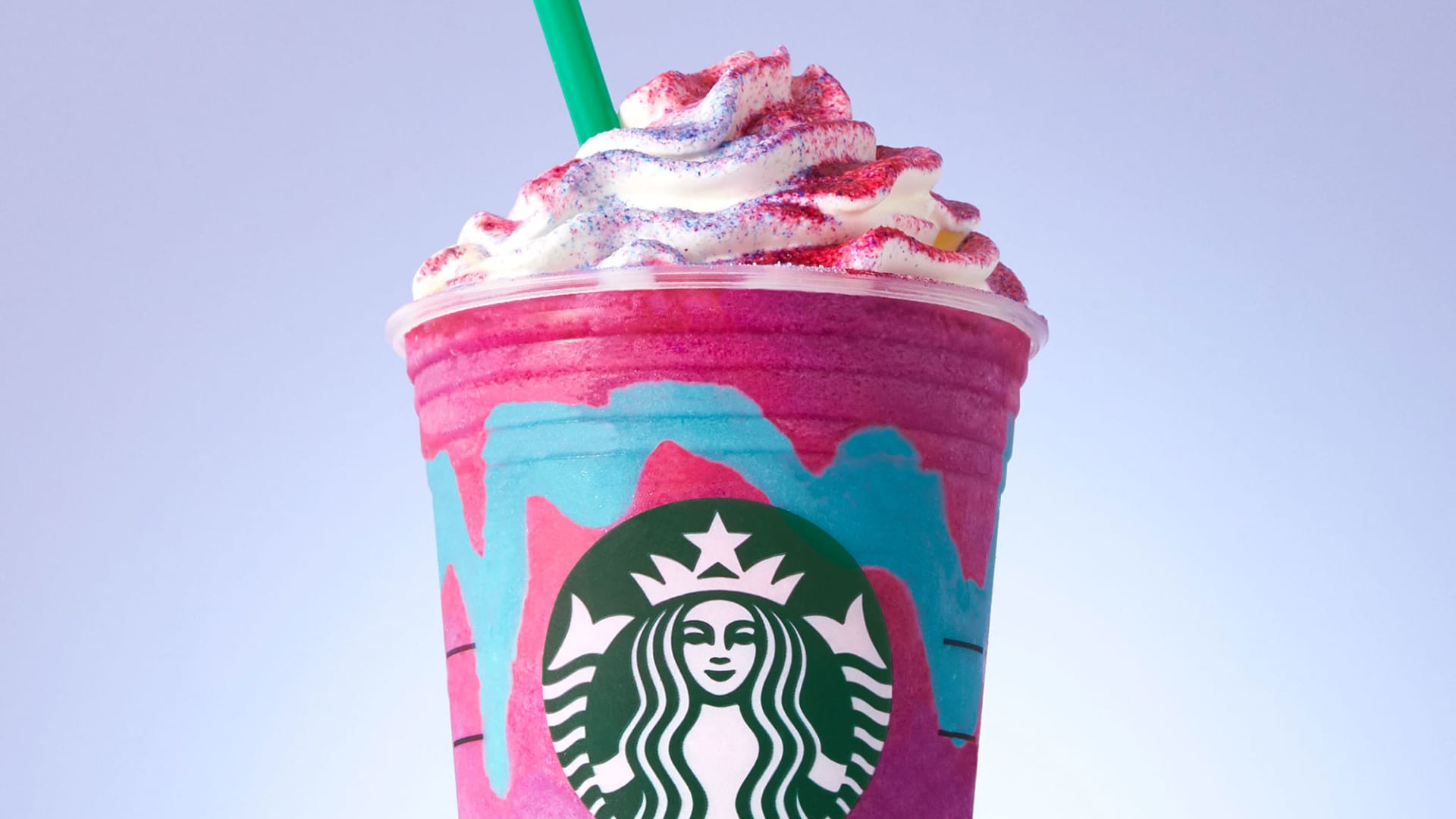
Starbucks used the return of its Unicorn Frappuccino to combine viral attention with urgency. After renewed social-media interest in the drink, first released in 2017, the company brought it to the Coachella festival in April and then offered it globally for one weekend in August. A Starbucks spokesperson said the company sold 2 million drinks over those days. The coffee chain is also paying baristas to create content through its Green Apron Creator Program and is preparing a TikTok pilot involving a Starbucks employee and an outside creator traveling to stores worldwide.
The company evaluates marketing through measures including product trials, rewards engagement, customer frequency, transactions and comparable sales. Starbucks said brand affinity, consideration and purchase intent were at five-year highs in its latest quarter, while customer connection improved significantly year over year. CEO Brian Niccol said Starbucks spends a little more than 2% of sales on marketing and expects that budget to grow with the business.
TJX, meanwhile, is shifting more of its marketing mix online and toward digital and social channels, including paid influencers. The retailer also benefits when shoppers share finds on TikTok, Instagram and YouTube, potentially encouraging store visits at TJ Maxx, Marshalls and HomeGoods. TJX said its brands generated roughly 1.4 billion paid video views across major social platforms in the first half of the year. Its messaging has increasingly highlighted a “treasure hunt” experience rather than focusing only on recognizable brands for less.
Capital One increased marketing spending 23% in the second quarter to $1.7 billion, partly reflecting its May 2025 acquisition of Discover as well as higher direct marketing, media spending and premium-benefit investments. Its costs include sign-up bonuses and rewards, while its customer experiences include airport lounges, NCAA VIP packages, athlete meet-and-greets, concerts and cardholder-only chef dinners. Analysts cited by CNBC said the company views marketing as spending that can bring in customers who generate revenue over time.