











Arabic version: الترجمة تكشف قصة شعب أنانغو في فيلم «بيتر سبرينغز»
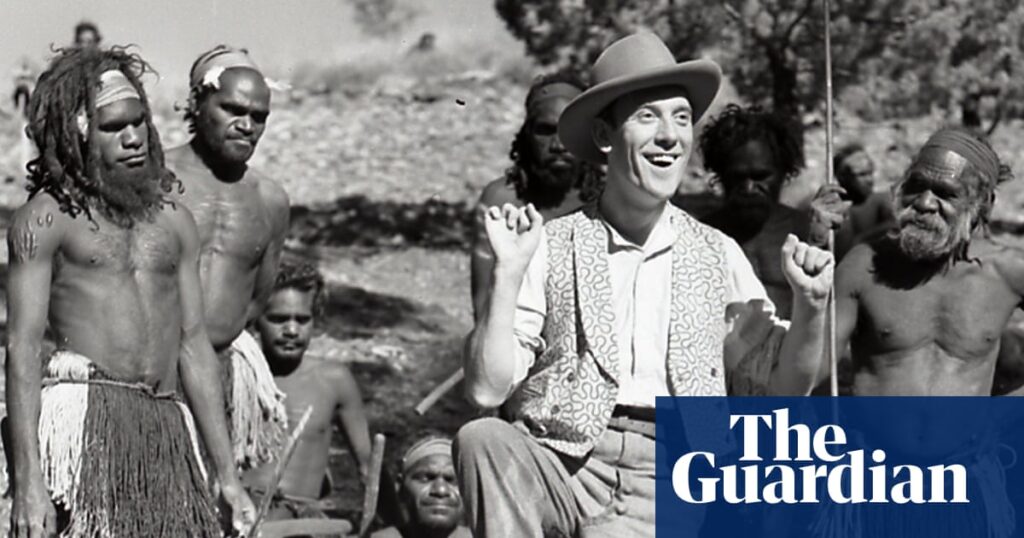
According to The Guardian, a translation project is uncovering what 120 Anangu people said while appearing in the 1950 Australian film Bitter Springs. The cast members were asked to speak in their own language without a script, and researchers have found their dialogue conveyed experiences of settlers invading and displacing people from their land.
The black-and-white film stars Tommy Trinder, Chips Rafferty and Charles “Bud” Tingwell, and follows Rafferty’s character, Wally King, as he travels 600 miles into the outback to settle government-leased land. It is regarded as one of the first mainstream stories to challenge the Australian frontier narrative and settlers’ right to take Aboriginal land. For families from Ooldea and surrounding areas, it also preserves images and voices of relatives.
Vonda Last recognised her grandfather, Thumu Pluto Hicks, in the film. Hicks was among Anangu people who travelled for two days by train from their remote community to Quorn in the Flinders Ranges for the production. Linguists and First Nations language speakers are examining an older dialect, with Associate Prof Sam Osborne of Adelaide University working alongside the Iwiri Aboriginal Corporation and Pitjantjatjara and Yankunytjatjara interpreters.
Osborne said the actors improvised “in really clever and thoughtful ways throughout the film”. In one sequence, an Anangu man responds to a display of a rifle by saying it cannot shoot over a tree or around a rock, while demonstrating that a spear can be used around a corner. In another, a senior man holding a spear says “ma-pitija”, telling white men to go away.
Researchers Maggie Brady and Cindi Drennan hope the completed translation and subtitles can support future festival screenings. Illuminart produced a 30-minute documentary about the production in May and projected it on Quorn grain silos. Drennan and Brady also want a screening in Adelaide that recognises the contributions of the Anangu actors, who were not invited to the film’s original Adelaide opening.