












Arabic version: ترامب يربط التهديد التجاري بخفض أسعار الفائدة من الاحتياطي الفيدرالي
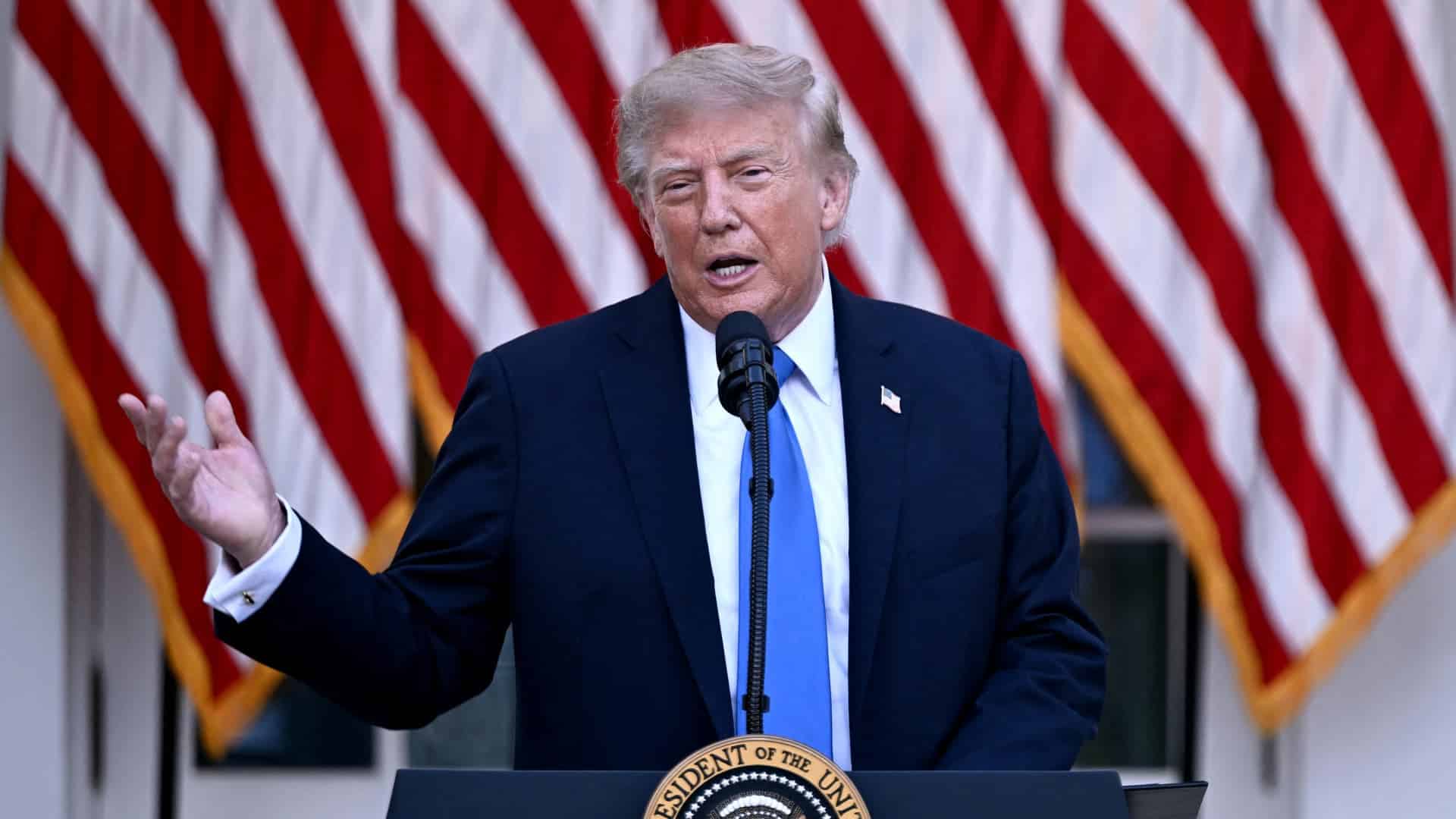
According to Cnbc, President Donald Trump said Friday that he could stop trading with countries with which the United States has trade deficits unless the Federal Reserve lowers interest rates. In a Truth Social post, Trump urged the Fed and its chairman, Kevin Warsh, to “get smart” and cut rates after a stronger-than-expected monthly jobs report.
Trump later reiterated his position in the Oval Office, saying the United States should pay the lowest interest rate in the world. He argued that the country is a stronger credit than nations paying lower rates and said high interest rates place the U.S. at an unfair disadvantage. Trump said the U.S. should be at 1% or a half-percent rather than 4%.
Trump framed trade deficits as evidence that other countries are taking advantage of the United States. He said the U.S. has a large deficit with many countries and cited Canada, which is in a trade and tariff dispute with the U.S., as an example. Trump claimed that ending trade with Canada would save $90 billion and said stopping trade was a way to reduce a deficit.
The Fed declined to comment on Trump’s post, while the White House did not respond to a request for additional information. The U.S. has reported trade deficits in the tens of billions of dollars each month for decades, including with top trading partners. Many economists say trade deficits are not necessarily good or bad, noting they can reflect greater purchasing power and that countries with U.S. trade surpluses often use dollars to buy U.S. Treasurys.
The comments renewed Trump’s pressure on the Fed after it had eased following Warsh’s appointment as Jerome Powell’s successor. A week earlier, Warsh said rate hikes could soon be possible and reiterated his commitment to returning inflation to the Fed’s 2% target. Vice President JD Vance also called for lower rates, while National Economic Council Director Kevin Hassett said the Fed would make its own decision and that there was a strong argument for holding steady.