













Arabic version: مسؤولون أميركيون ينفون تقارير عن انخفاض مخزونات الذخائر
According to Al Jazeera, the White House and Pentagon have rejected reports that US offensive and defensive weapons supplies have fallen to dangerously low levels after five months of war on Iran. President Donald Trump said the United States has more munitions than any other country and pointed to efforts to increase weapons production.
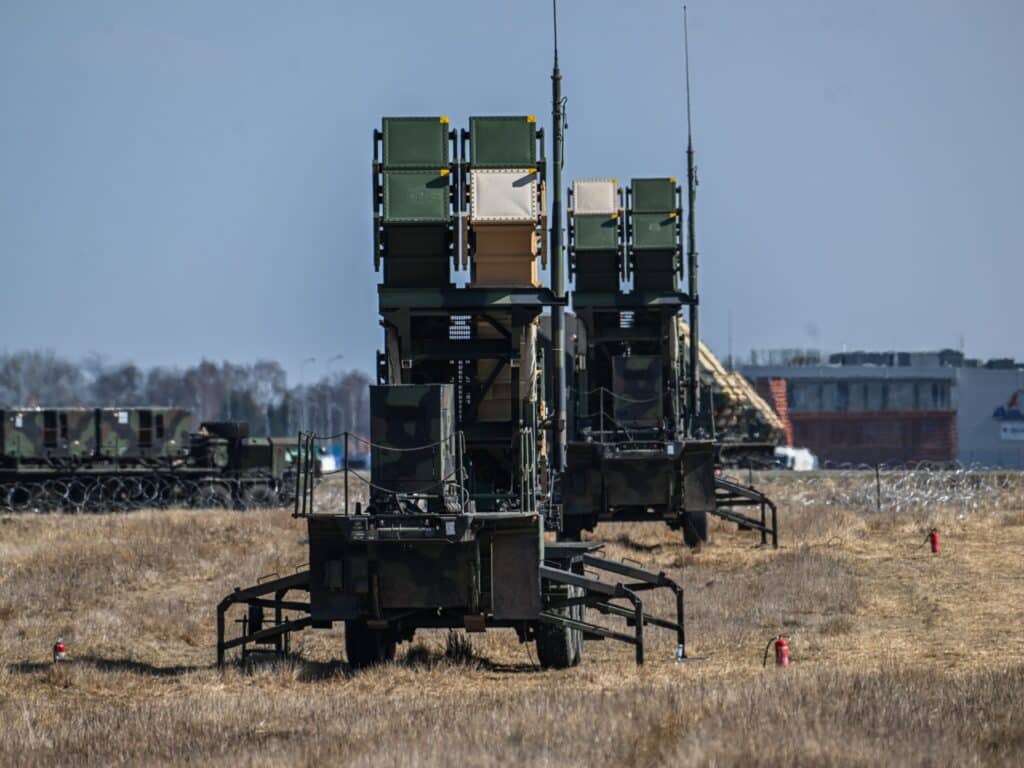
Pentagon spokesman Sean Parnell said the military has the capabilities needed to act when and where the president chooses. But CNN reported that the military had used 80 percent of its pre-war THAAD interceptors and about half of its Patriot interceptors. Secretary of Defense Pete Hegseth disputed the THAAD figure and the description of the threat.
A July 27 assessment by the Center for Strategic and International Studies estimated that the military had just more than a third of its Patriot interceptors and about half of its THAAD interceptors remaining. CSIS said restoring stocks to pre-war levels would take at least three years, even with recent funding. Reuters and CBS News also reported extensive use of ATACMS and Precision Strike Missiles.
CSIS adviser Mark Cancian said shortages of air-defence interceptors were more serious because there are no good substitutes. He said reduced supplies of ATACMS and PrSM could force the military to rely on air- or sea-delivered weapons for deep strikes, creating greater risk for forces. He also warned that every interceptor used against Iran reduces the weapons available to deter other military powers, including China.
The reported shortages have raised questions for US allies that buy Patriot and THAAD systems. The Trump administration announced $25bn in Patriot interceptor sales and related services to Kuwait, Bahrain, the United Arab Emirates and Qatar in May. Cancian said the United States would likely retain more interceptors to replenish its own stockpiles, adding that funding was not the central obstacle: “The problem is time.”