












Arabic version: منتجو خشب الصندل في أستراليا الغربية يطالبون بتوضيح القواعد الجديدة
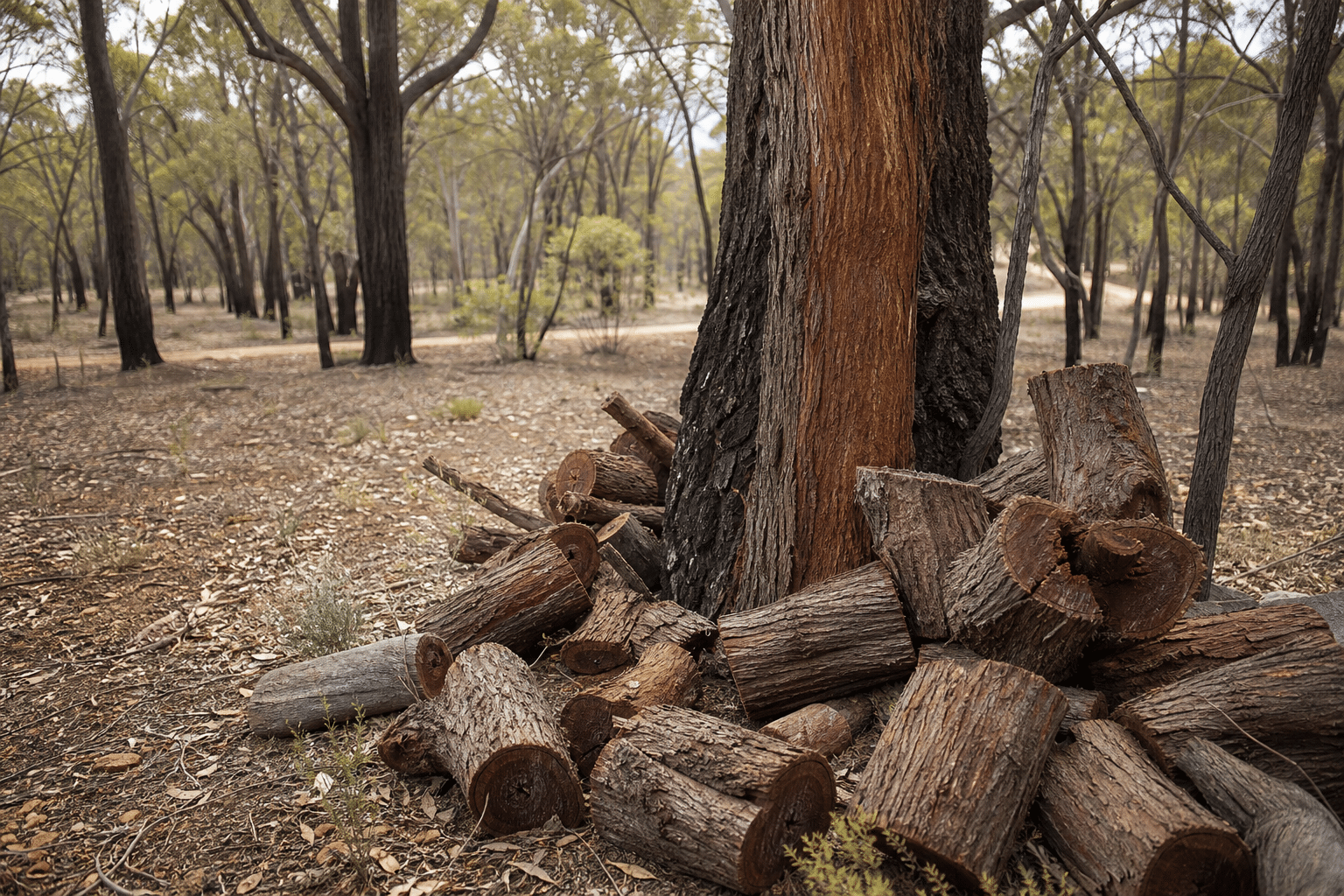
According to ABC News, Western Australian sandalwood producers say they have been left in limbo as the state prepares to replace the 2015 Sandalwood Order governing the native industry. Existing regulations will remain in place until the end of the year, with a new order due to take effect on January 1.
The current order permits the annual harvest of 2,500 tonnes of wild sandalwood. The government has indicated it will cut wild harvest by 500 tonnes and move management from the Forest Products Commission to the Department of Biodiversity, Conservation and Attractions. Australian sandalwood is used in perfumes, cosmetics and incense, while the native industry is valued at $40 million.
Harvester Michael Matthiessen, who has worked in the sector after moving to Kalgoorlie-Boulder 20 years ago, supported a reduced harvest and greater attention to regeneration. But he said the proposed transfer of oversight had not been fully explained. He said contractors need to plan years ahead because sandalwood trees can take more than two decades to mature.
Wescorp Sandalwood executive chair Fleur Coakley said Forest Products Commission contracts were due to finish at the end of December and exporters did not know what would happen afterwards. She said uncertainty was affecting investment decisions and raising concerns among international customers. Premier Roger Cook said the government was consulting widely and working within the commission to establish the best settings.
A state spokesperson said a draft review was available and under consideration by an independent panel, and said the Cook government was committed to discussion on a sustainable future wild sandalwood industry. Dutjahn director Keith Drage said the sector had known the order would expire at the end of 2026, and that a move toward independent Aboriginal operators, plantation resources and a diminishing wild harvest had long been anticipated.