












Arabic version: انتقادات أراجي للسلطات الأوروبية بسبب عدم جدواها في المفاوضات النووية
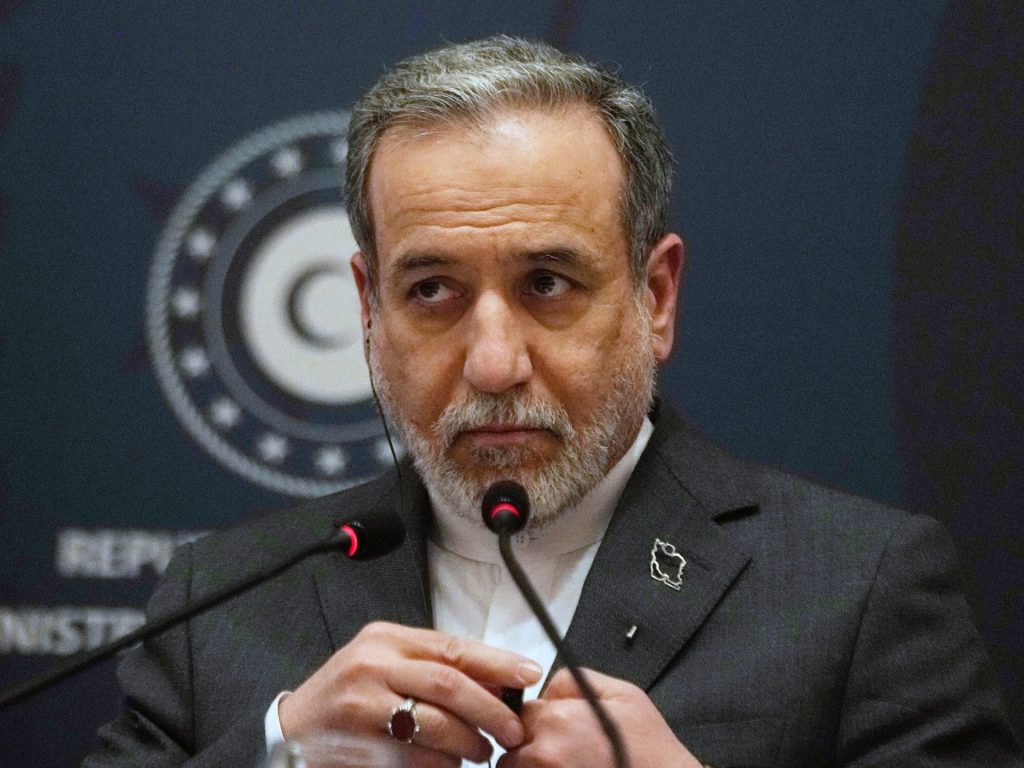
Iran’s Deputy Foreign Minister Abbas Araqchi has expressed strong dissatisfaction with the role of European powers in the ongoing nuclear negotiations, stating that they have become increasingly irrelevant to the discussions aimed at reviving the 2015 nuclear deal. Araqchi’s comments come as tensions escalate over Iran’s nuclear program and the stalled talks in Vienna, where world powers are attempting to bring both Iran and the United States back into compliance with the Joint Comprehensive Plan of Action (JCPOA).
In a statement made on Wednesday, Araqchi highlighted the diminishing influence of European nations in the negotiations, criticizing them for failing to take decisive action to support the agreement and for not effectively responding to Iran’s grievances. He emphasized that the European parties—namely France, Germany, and the United Kingdom—have not fulfilled their commitments under the JCPOA, particularly in terms of economic relief and sanctions relief, which were promised to Iran in exchange for its compliance with nuclear restrictions.
The JCPOA was designed to limit Iran’s nuclear activities in exchange for sanctions relief, but the agreement has been in jeopardy since the United States withdrew from it in 2018 under the Trump administration and reimposed harsh sanctions on Iran. Since then, Iran has gradually stepped away from its commitments under the deal, leading to heightened concerns over its nuclear capabilities.
Araqchi’s remarks reflect a growing frustration within Iran regarding the perceived lack of action from European powers, who have been criticized for their inability to mediate effectively between Tehran and Washington. As the negotiations continue, Iran is demanding guarantees that its economic interests will be safeguarded if it returns to compliance with the deal.
The ongoing talks in Vienna have seen a series of ups and downs, with both sides struggling to find common ground. While the United States has indicated a willingness to return to the JCPOA, it has also expressed concerns over Iran’s recent nuclear advancements, which could complicate the negotiations further.
As the situation develops, Araqchi’s comments underscore the need for a more proactive approach from European powers if they wish to play a meaningful role in facilitating a resolution to the nuclear standoff. With the clock ticking, the stakes are high for both Iran and the international community, as the potential for a nuclear crisis looms larger amidst the ongoing diplomatic efforts.