












Arabic version: مقدمو رعاية الأقارب يصفون قرارات غيّرت حياتهم
According to The Guardian, kinship carers in England and Wales are often asked to make rapid decisions about taking in children from their wider families, frequently without clear information about support. More than 141,000 children are being raised by kinship carers, who are usually relatives or family friends stepping in when parents cannot provide care.
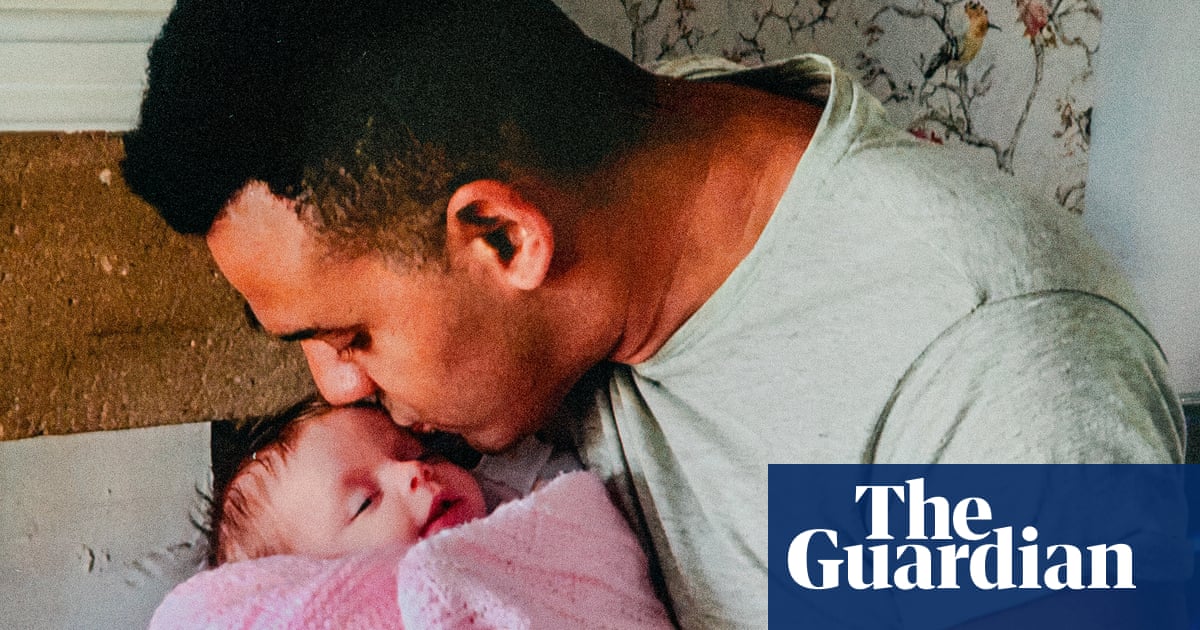
Clive, a primary school headteacher, received a call about his six-week-old niece, Savannah, and was told she needed to come to him that day. Nine years later, he is her legal guardian and says he would make the same decision again, though he describes periods of isolation and exhaustion. He was able to keep working with flexible support from his school, but says many other carers do not have that help.
A survey by the charity Kinship found that four in 10 carers had less than an hour to decide whether to take on care, while a further fifth had less than 24 hours. Alan and Julie, both 65, were given 10 minutes to decide whether to care for their severely disabled granddaughter Ella, then aged 10 months. They agreed immediately after being told she could otherwise enter local authority care.
Leasa and Oly, from Acton in west London, took in their nephews Jake and Luke while raising their own son in a two-bedroom flat. The couple have slept on a sofa bed in the lounge for five years and later secured a larger financial allowance with help from a lawyer. Kinship chief executive Lucy Peake said carers save the state £4.3bn annually in costs that would otherwise go to children’s homes and foster care.
Earlier this year, the government launched a three-year pilot in seven local authorities that gives kinship carers an allowance in line with foster carers. The scheme covers 5,000 children. Foster carers receive between £170 and £299 a week depending on location and a child’s age, while Kinship says many family carers still face debt, food-bank use, lost work, pensions and savings.