
Arabic version: تغيير قيادة إنفيديا يسلّط الضوء على تمويل الذكاء الاصطناعي
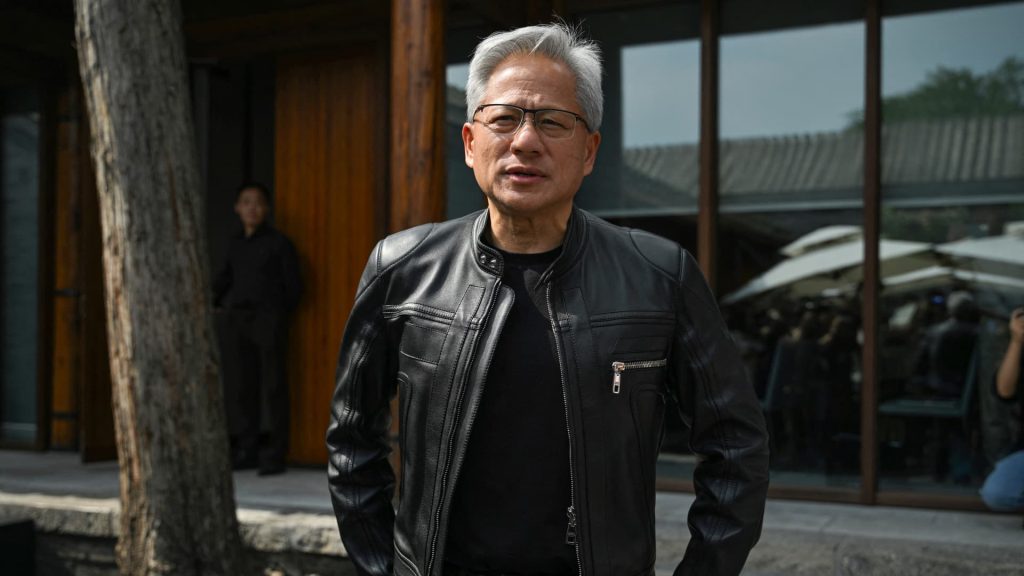
According to Cnbc, Jensen Huang’s resignation as Nvidia chief executive has not triggered a broad credit-market shock, but it has intensified scrutiny of the company’s role financing artificial intelligence infrastructure. Huang stepped down Thursday, and chief financial officer Colette Kress was named interim CEO while Nvidia searches for a permanent leader.
Nvidia supplies graphics processing units to hyperscalers and technology companies, while also financing other businesses to support industry expansion. Goldman Sachs analyst James Schneider said he expects Nvidia to fulfill previously announced commitments, but said it may become harder for the company to negotiate new multi-party investments among ecosystem partners at the scale seen so far.
The change arrives as investors remain concerned about debt used to fund AI infrastructure. Tech bond yields have risen and credit-default-swap spreads have widened, particularly for lower-rated borrowers. Nvidia’s 4.5% bond due in 2031 yielded 5.717% on Friday, nearly 5% higher week to date. The Nasdaq 100 closed down 1.2% Friday, while hyperscaler bond yields edged higher.
Smaller AI infrastructure companies could be especially exposed if Nvidia adjusts its financing strategy. Nvidia reported $36 billion in off-balance-sheet AI cloud agreements, or backstops, for neoclouds in its July quarterly filing. CoreWeave, Nebius and IREN are in Nvidia’s portfolio. CreditSights analyst Andy Li said Nvidia’s ultimate strategy remains unclear, while Bob Lang of Explosive Options said the key question is how much Nvidia will want to lend versus using free cash flow for share buybacks, capital expenditures or acquisitions.